
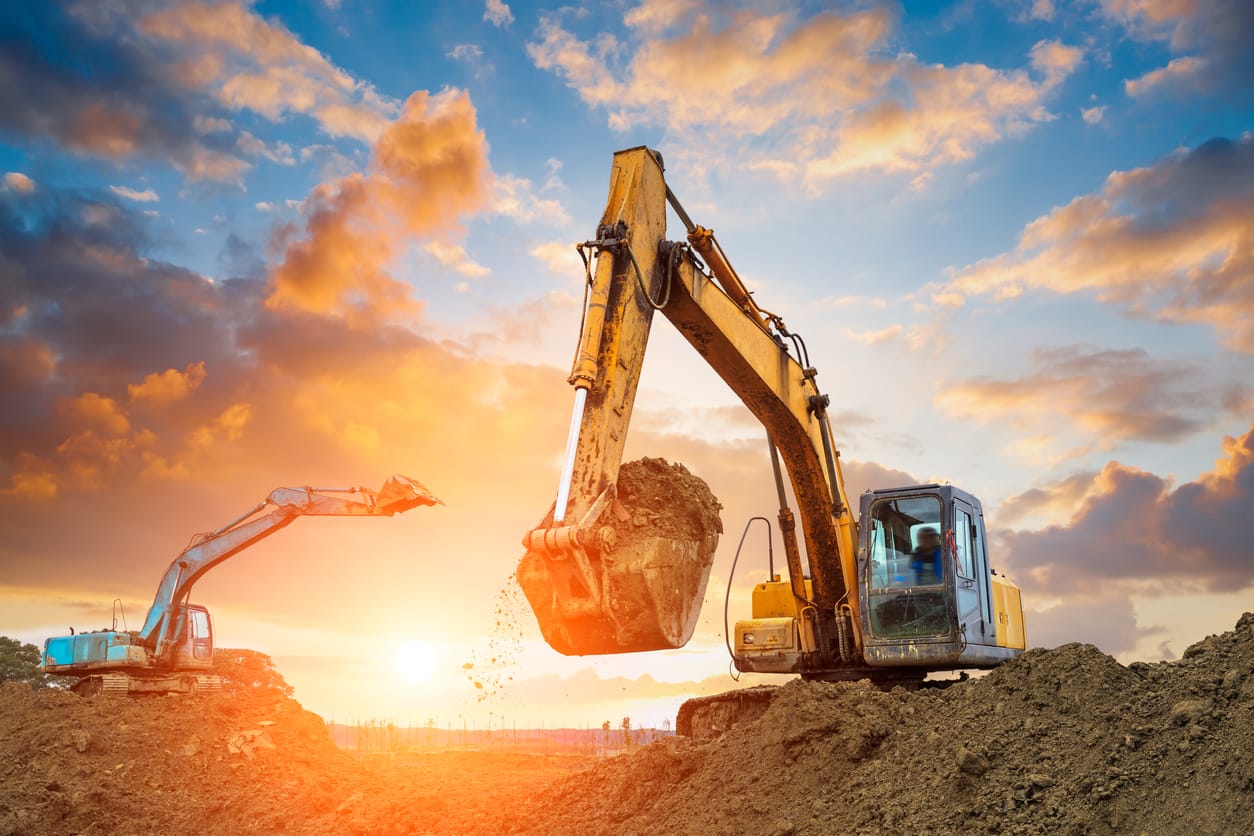
Excavators are essential to modern construction, mining, and infrastructure projects. These powerful machines move earth efficiently, lift heavy materials, and perform tasks that human labor alone could never complete safely or quickly. Yet, despite their importance, excavators are also responsible for some of the most serious workplace accidents in the industry. When something goes wrong—whether due to human error, mechanical failure, or inadequate site safety—the consequences can be life-altering.
For injured workers, understanding how excavator accidents happen and who may be legally responsible is an important step in protecting their rights. For employers and site managers, it reinforces the need for strict safety protocols and equipment oversight. Below is an in-depth look at common injuries linked to excavator accidents and the parties who may ultimately be liable.
LOCAL NEWS: Phoenix housing market outpaces national trends again in 2025
INDUSTRY INSIGHTS: Want more news like this? Get our free newsletter here
How Excavator Accidents Happen
The High-Risk Nature of Excavation Work
Excavators are large, heavy, and often used in tight or unpredictable environments. Operators may be working near trenches, unstable soil, underground lines, or uneven terrain. This creates numerous risk factors that can quickly escalate into accidents if precautions are not followed.
Human error is one of the most common contributors. An inexperienced or improperly trained operator may misjudge swing distances, overestimate lifting capacity, or fail to follow proper procedures during excavation. Poor communication between workers, especially spotters and operators, can also create dangerous situations.
Mechanical issues can be just as dangerous. Faulty hydraulic systems, worn tires or tracks, and malfunctioning control systems may cause unintended machine movement or loss of stability. Without proper maintenance, an excavator becomes a hazard not just for its operator but for everyone nearby.
Environmental and Site-Related Hazards
Many excavator accidents occur because of the work environment itself. Unstable trenches can collapse when heavy machinery moves too close to the edge. Soft or uneven soil can cause tipping. Underground utilities may not be properly marked, leading to gas line punctures, electrical shocks, or explosions.
Poor site planning or limited visibility increases the chance of collisions with workers, vehicles, or other equipment. In busy construction zones, a moment of distraction may be all it takes for a severe accident to occur.
Common Injuries Linked to Excavator Accidents
Crushing Injuries
Excavators weigh several tons, and a single miscalculated movement can pin or crush a nearby worker. Crushing injuries often result in broken bones, internal bleeding, nerve damage, or amputations. These injuries are among the most severe and frequently require long-term treatment or permanent disability support.
Traumatic Brain Injuries
Workers may suffer head injuries from falling debris, machine rollovers, or collisions. Even with safety helmets, the impact force of heavy equipment can lead to traumatic brain injuries (TBIs). Symptoms may range from mild concussions to long-term cognitive impairments that impact memory, balance, or overall neurological function.
Spinal Cord and Back Injuries
Excavator rollovers, falls from cabins, and unexpected machine movement can cause severe back injuries. Spinal cord damage may lead to partial or complete paralysis. Even less severe injuries can leave workers with chronic pain, limited mobility, and reduced ability to return to physical work.
Lacerations and Soft Tissue Damage
Flying debris, machine malfunctions, and equipment failure can create deep cuts or soft tissue injuries. These may lead to infection, scarring, or long-term mobility issues depending on the severity.
Electrocution
Excavators often operate near underground utilities, and accidental contact with live wires can lead to electrocution. These injuries can cause burns, cardiac issues, and neurological damage. Electrocution-related accidents also put other workers on the site at risk if the machine becomes electrically energized.
Respiratory Injuries
Operating or working near excavators may expose workers to dust, fumes, or hazardous substances. When combined with poor ventilation, these exposures can trigger respiratory issues, including occupational asthma or long-term lung damage.
Determining Liability After an Excavator Accident
Excavator accidents often involve multiple parties, making liability complex. Because injury claims may involve workers’ compensation, third-party lawsuits, or manufacturer responsibility, identifying the cause of the accident is the first step in determining who may be held accountable.
Employer Responsibility
Most injured workers begin by filing for workers’ compensation. Employers are required to maintain safe working environments by enforcing training requirements, maintaining equipment, and complying with workplace safety laws. When accidents occur on the job, employees typically have the right to pursue compensation for medical expenses and lost income.
Many workers seek support from Chicago workers’ compensation lawyers who understand the complexities of construction-related injuries and can help navigate claim requirements. These professionals often assist workers in ensuring that benefits are calculated correctly and that evidence is documented properly.
Equipment Manufacturers
When an accident occurs because of a defective excavator part or faulty machinery design, the manufacturer may be liable. Hydraulic failures, defective controls, brake malfunctions, or stability issues sometimes stem from design flaws rather than operator error. In such cases, injured workers may pursue a third-party product liability claim.
These claims can compensate workers for damages beyond traditional workers’ compensation benefits, including pain and suffering or long-term disability impacts.
Equipment Rental Companies
If the excavator was rented instead of owned, the rental company may share responsibility for maintenance or safety issues. Businesses that lease heavy machinery must ensure that equipment is in safe working condition and that any known mechanical issues are disclosed. Failure to do so may create grounds for liability.
Third-Party Contractors
Construction sites often involve multiple contractors working simultaneously. If a subcontractor’s negligence—such as improper site planning, poor communication, or failure to mark hazards—contributes to an accident, they may be held liable. Coordination between multiple parties is critical to preventing accidents, and failures often create legal responsibility.
Property Owners and Developers
In some cases, property owners or developers may be responsible if unsafe site conditions caused or contributed to an accident. This may involve unstable land, inadequate site preparation, or failure to disclose known hazards.
Utility Companies
If an excavator accidentally strikes an unmarked underground utility line, the utility company may share responsibility if they failed to provide accurate or timely location information. Accidents involving gas, electricity, or sewage lines often result in substantial property damage and severe worker injuries.
Seeking Legal Support After an Excavator Accident
Workers injured in excavator accidents often face long medical recoveries, limited work opportunities, and emotional hardships. Understanding legal options is crucial. Many rely on a trusted workers’ compensation lawyer to help them navigate claims, gather evidence, and pursue additional recovery through third-party liability claims if applicable.
Legal support helps injured workers secure compensation for medical treatment, lost wages, future care needs, and, in some cases, compensation for long-term pain or disability.
Improving Excavator Safety on Worksites
Strong Training and Certification Standards
Operators must understand more than basic controls. Proper training includes load calculations, site hazard recognition, communication signals, and emergency procedures. Ongoing training helps reinforce safe behavior and reduces human error.
Regular Maintenance and Inspection
Excavators require consistent inspection of hydraulic systems, brakes, tracks, and safety features. Preventive maintenance helps avoid mechanical failures that can lead to catastrophic accidents.
Clear Communication and Site Planning
Spotters, supervisors, and operators must coordinate closely. Clear boundaries, communication protocols, and visibility guidelines help eliminate confusion that often leads to accidents.
Accountability and Safety Culture
A workplace culture that promotes reporting hazards, following procedures, and prioritizing safety over speed reduces the likelihood of excavator accidents. Accountability at all levels—from employers to contractors—creates safer worksites for everyone.