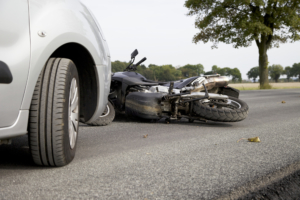
The crash has stopped. The adrenaline is still pumping. Your instinct is to calm down, make sure everyone’s okay, and then handle the paperwork. But the moment after a truck accident is when your entire case gets built or falls apart. A collision with a commercial truck brings unique challenges that car accidents don’t.
Bigger vehicles mean more power. Multiple insurance layers mean more complexity. Layers of liability mean more defendants potentially responsible. The steps you take immediately after the wreck will shape your ability to recover more than almost anything else that happens later. Knowing exactly what to do after a truck accident gives you clarity when everything else is moving fast and chaos is all around you.
Every minute after the crash matters. Evidence disappears. Memories fade. Witnesses leave. The truck might get towed and repaired, destroying physical evidence. Acting fast isn’t panic; it’s strategy. The difference between a strong claim and a weak settlement often lies in what you do in those first hours.Getting your priorities straight immediately after the accident protects your case and positions you for maximum recovery from that first moment forward.
DEEPER DIVE: Top 10 Arizona ZIP codes people are moving to in 2025
LOCAL NEWS: 100 best places to work and live in Arizona for 2025
Scene Control: Evidence, Photos and First Moves
Once you’re safely away from traffic and emergency responders are handling injuries, start documenting everything. Photograph the entire scene from multiple angles. Get photos of vehicle damage, license plates, the accident location, road conditions, and any visible damage to the truck. Capture the truck’s dimensions, cargo, and company branding. These details matter for later investigation.
Gather witness information immediately. Names, phone numbers, email addresses, and what they saw. People scatter quickly after accidents, and tracking them down later becomes incredibly difficult. Get information from other drivers, bystanders, and anyone near the scene. Their statements become valuable evidence if they witnessed the crash or the truck’s behavior before impact.
Look for truck-specific evidence. Skid marks, cargo debris, tire tracks, or evidence of load shifting all tell stories about what happened. Photograph anything unusual about the truck’s condition or cargo. These details guide later investigation and expert analysis about what caused the crash.
Medical and Legal Reporting
Seek medical attention immediately, even if injuries seem minor. Some injuries don’t appear until hours or days after a crash. Getting evaluated right away creates medical records establishing that injuries came from the accident. Documentation matters for proving causation later. Tell medical providers exactly what happened and which body parts hurt.
Report the accident to police and get a copy of the accident report. Report to your insurance company. The police report becomes official documentation of the accident. Early reporting to insurance starts the claims process. Then contact an attorney. Early legal involvement ensures you’re asking the right questions and preserving evidence that matters.
Keep detailed records of everything. Medical appointments, medications, lost work time, travel costs for treatment. Every expense and every impact on your life becomes part of your damages claim. Photos of your injuries, especially early on, document the severity.
Insurance, Liability and Coordination
Multiple parties might be responsible. The truck driver, the trucking company, the truck owner, the cargo loader, and maintenance contractors could all share liability. Identifying the correct defendants early ensures you’re pursuing everyone responsible. An attorney can help determine liability structure and ensure all responsible parties are included in your claim.
Preserve evidence aggressively. Request that the truck not be repaired or disposed of. Get an independent mechanical inspection if mechanical failure might have contributed. Subpoena maintenance records, driver logs, and dispatch communications. These documents often prove violations or negligence that support higher claims.
Early legal involvement also protects you from insurance company tricks. Adjusters might try to get you to accept low settlements quickly. They might pressure you to give recorded statements before you’re fully healed or before you understand your injuries’ full impact. An attorney protects you from these tactics and ensures you’re not settling for less than your case is worth.
Conclusion
After a truck accident, every hour counts. The steps you take immediately determine whether you build a strong case or watch evidence disappear and opportunities slip away. Start documenting immediately. Photograph everything. Gather witness information. Seek medical care. Report to authorities and insurance. Get legal representation quickly.
The difference between recovering fully and settling cheap often lies in what you did (or didn’t) do right after the wreck. By taking these specific, smart actions when the dust settles, you position yourself to recover not just adequately, but fully. Recovery means not just healing physically but also being compensated fairly for everything you lost.
Truck accidents create complex liability with multiple defendants and multiple insurance policies. That complexity requires proactive immediate action to preserve evidence and establish your claim properly. You won’t get a second chance to do these first hours right, so do them with intention and care.