A car crash happens fast, but proving what happened afterwards takes real evidence. In Texas, your claim isn’t decided by assumptions; it’s decided by the photos, reports, and records you can show.
Most drivers don’t realize how quickly important details disappear after a collision. That’s why even a few small steps in the moment can make a big difference later. That is why it’s also important to speak with a San Antonio car accident attorney early on; they know exactly which pieces of proof matter most in a Texas claim.
Why Evidence Matters So Much in Texas
Texas follows a fault-based insurance system. This means the insurance company must see clear proof of who caused the crash before they agree to pay anything. If the other driver denies wrongdoing, or if both parties share blame, your evidence becomes the core of the entire claim.
Texas also uses what’s known as modified comparative negligence. In simple terms, if you’re found more than 50% responsible for the crash, you can’t recover compensation. This makes accurate, strong evidence even more important because it reduces the chances of an adjuster shifting blame onto you.
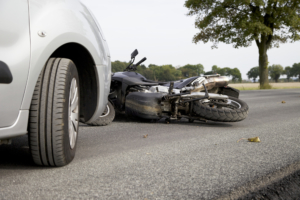
Photos and Videos: Your First Line of Protection
Right after a collision, visual proof is some of the most valuable evidence you can gather. Even a few quick images taken on your phone can support your claim later.
Photos should include:
- Vehicle damage from every angle
- Close-ups of dents, broken parts, and skid marks
- Road conditions, traffic lights, weather, and signage
- The wider scene, including the intersection layout or lane position
If you’re unable to take pictures due to an injury, ask a passenger or bystander to help. Video is just as powerful—it captures movement, traffic flow, and the behavior of the other driver right after the crash.
These images help recreate what happened, especially in busy areas of San Antonio such as Loop 1604, I-35, or Bandera Road, where congestion and speeding often lead to chain-reaction crashes.
READ MORE: Here’s why the Arizona economy is poised to accelerate
LOCAL NEWS: Want more stories like this? Get our free newsletter here
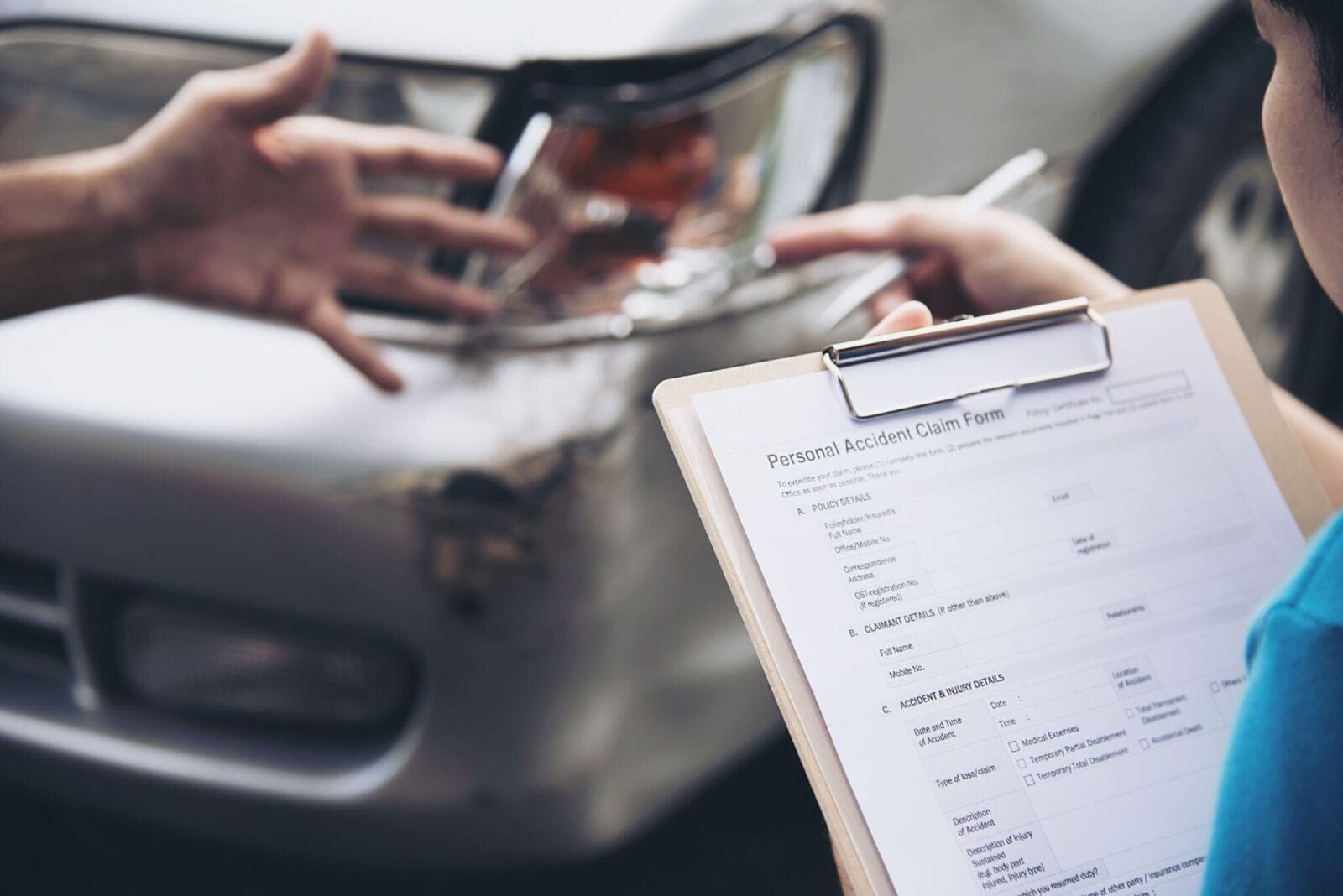
The Importance of a Police Report
A police report is one of the strongest documents you can have. Officers are trained to take statements, examine the scene, and note physical evidence that you might miss. In Texas, officers must file a formal crash report when someone is hurt or when property damage appears to be over a certain amount.
Insurance companies rely heavily on these reports because they provide:
- Time and location of the crash
- Initial fault assessments
- Diagrams of the scene
- Statements from drivers and witnesses
- Notes about injuries or violations
Even if the other driver begs you not to involve the police, always request a report. A documented evaluation from law enforcement can prevent later disputes about what really happened.
Witness Statements Strengthen Your Version of Events
Independent witnesses play a major role in supporting your claim. They have no stake in the outcome, which makes their statements more credible to insurers. If someone saw the crash, politely ask for:
- Their name
- Phone number
- A short description of what they observed
Common witness locations in San Antonio include parking lots, storefronts, highway shoulders, and bus stops. A neutral voice can confirm details like speeding, sudden lane changes, or distracted driving, especially if the other driver denies fault.
Medical Records: Proof of Injury and Impact
Your injuries are a key part of the claim, and medical documentation is the only way to prove them. After a crash, adrenaline can hide pain. Visiting a doctor, even if you “feel fine,” creates a medical record that shows your injuries began immediately after the collision.
Your medical file may include:
- ER visits
- X-rays and scans
- Doctor evaluations
- Physical therapy records
- Treatment plans and medications
These records link your injuries to the crash and show the long-term impact on your daily life or ability to work.
Daily Documentation Helps Tell the Full Story
Not all evidence comes from official sources. You can also create your own record of the crash and its effects. A simple notebook or notes app works perfectly.
Useful personal documentation includes:
- A pain journal describing how you feel each day
- Photos of visible injuries as they heal
- Notes about missed work or activities
- Receipts for towing, medication, or temporary transportation
These details help insurance adjusters understand the changes the accident caused—not just physically, but financially and emotionally.
Digital Evidence You May Not Know About
Modern vehicles and devices capture more information than most drivers realize. Some of this data can help prove what happened before impact.
Potential digital evidence includes:
- Car “black box” information, like speed and braking
- GPS data from navigation apps
- Timestamped text logs showing no phone use
- Security camera footage from homes or businesses
In busy parts of San Antonio—like shopping centers, gas stations, or large intersections—surveillance footage is often available if requested quickly. The challenge is timing: many systems overwrite recordings within days.
When Evidence Is Limited
Not every driver can collect evidence at the scene. Sometimes injuries make it impossible. Other times, the environment is unsafe. In these cases, other sources can help fill the gaps.
You may still be able to rely on:
- Police-documented evidence
- Damage assessments from repair shops
- Expert accident reconstruction
- Footage obtained later from businesses or traffic cameras
Even small pieces of evidence can form a complete picture when combined.
How a Lawyer Helps Strengthen the Evidence
Gathering, organizing, and presenting evidence correctly is often more challenging than people expect. This is why you should work with an experienced car accident attorney early in the process. They know what insurance companies look for and how quickly important proof can vanish.
An attorney can assist by:
- Requesting and preserving video footage
- Working with experts to analyse impact damage
- Gathering witness statements
- Obtaining detailed medical and employment records
- Communicating directly with insurance adjusters
- Identifying missing evidence and securing it before it’s lost
Their goal is simple: make the claim as strong and undeniable as possible.
Final Thoughts
Proving a car accident claim in Texas is all about documenting what happened and collecting the right evidence early. Photos, witness details, medical records, and digital data all work together to tell the story of the crash and its impact on your life. Understanding Texas laws and local road conditions helps strengthen your claim even further.
The more complete your evidence, the smoother the process becomes and the better chance you have at receiving fair compensation for your injuries and losses.