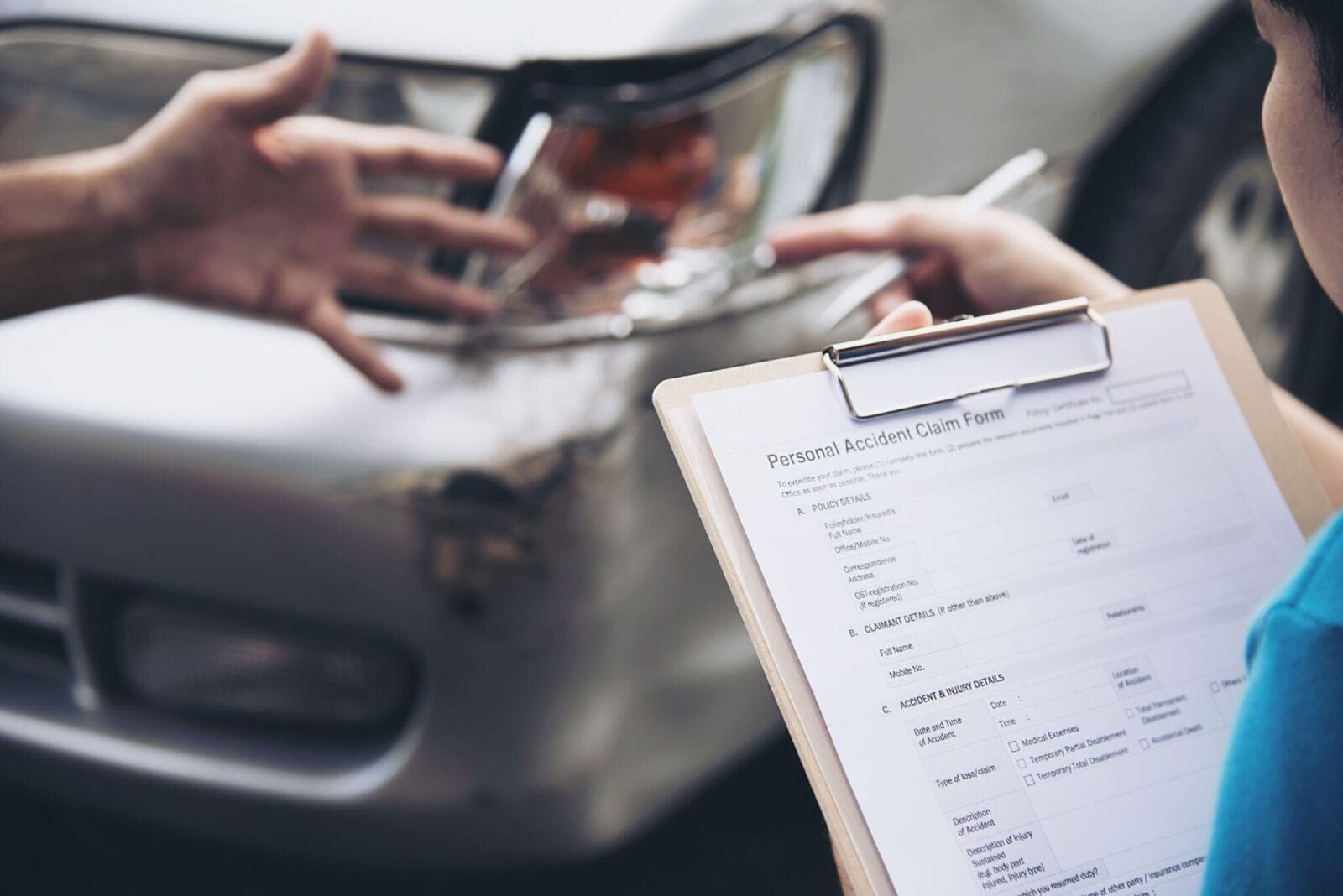
A local delivery van bearing a familiar logo crashes into your vehicle, causing serious injuries and property damage. The driver wears branded clothing and the van displays corporate colors prominently. Everything suggests you’re dealing with a major corporation that can easily cover your damages.
Modern e-commerce logistics blur the lines of accountability through complex contractor arrangements that shield corporations. The driver might work for a small company you’ve never heard of despite the recognizable branding. These corporate structures intentionally complicate liability to reduce lawsuit exposure.
Understanding who’s liable when a branded delivery van causes harm in Fort Worth protects your right to fair compensation. The person writing the check might not be who you expect. Here’s the reality of Amazon truck accident liability in Fort Worth.
The Hidden Web of Contracts Behind Amazon Vans
Many vans are operated by Delivery Service Partners, small companies contracted to handle deliveries under Amazon’s brand. These DSPs hire drivers, maintain vehicles, and handle day-to-day operations independently. The van says Amazon, but the employer is often a local business with limited assets.
Outsourcing shields corporations from direct liability by creating legal separation between brand and operations. Amazon argues it’s merely a technology platform connecting customers with independent contractors. This structure means injured parties can’t automatically sue the corporation whose logo caused them to assume deep pockets.
Texas law on negligent hiring and supervision can pierce this corporate veil when companies exercise sufficient control. If Amazon dictates routes, monitors performance constantly, and sets delivery quotas, courts may find sufficient control to establish liability. The legal question becomes how much control equals employment versus independent contracting.
When the Corporate Giant Can Still Be Responsible
Scenarios where Amazon’s policies or route pressures contribute to negligence create liability despite contractor status. Unrealistic delivery quotas that require speeding or unsafe driving create corporate responsibility. When algorithms set impossible timeframes, accidents become foreseeable consequences of corporate decisions.
Examples include tracking systems encouraging speeding or penalizing drivers for bathroom breaks and traffic delays. Performance metrics that prioritize speed over safety create pressure leading to crashes. If drivers get fired for being too safe, the company shares responsibility for resulting accidents.
Courts evaluate corporate control as evidence of liability by examining who really directs daily operations. Does the driver choose their route and schedule, or does software dictate every move? The more control exercised, the harder it becomes to claim independent contractor protection.
Insurance Layers and Coverage Gaps
DSP policies, commercial auto, and excess coverage interplay creates confusing situations where multiple insurers deny responsibility. The small contractor carries some insurance, Amazon maintains umbrella policies, and vehicle lessors have coverage too. Each insurer tries to make others pay first.
Victims often face multiple insurers denying responsibility while pointing fingers at each other. The DSP’s insurer claims Amazon should pay since they control operations. Amazon’s insurer argues the independent contractor’s policy applies. Meanwhile, victims wait for treatment and repairs.
Identifying all policyholders early prevents insurers from hiding behind corporate structures and contractor agreements. Attorneys must immediately determine every entity involved and their insurance coverage. Delayed identification lets insurers claim they weren’t properly notified within policy timeframes.
Steps Victims Should Take After a Delivery-Van Crash
Document branding, driver info, and witness statements immediately before evidence disappears or memories fade. Photograph every angle of the van showing logos, vehicle numbers, and any identifying information. Get the driver’s information along with company details beyond just “Amazon driver.”
Secure photos before vehicles are removed since tow companies quickly dispose of damaged vans. Vehicle condition, damage patterns, and maintenance records provide crucial evidence. Once vans enter salvage yards, accessing them becomes nearly impossible.
Contact a lawyer experienced in Amazon truck accident liability in Fort Worth to navigate complex claims involving multiple defendants. These cases require understanding corporate structures, contractor relationships, and insurance layers. Generic accident attorneys often miss defendants or accept settlements that don’t reflect true liability.
Conclusion
The murky structure behind branded-van crashes intentionally complicates liability to protect corporate profits. Layers of contractors, subcontractors, and complex agreements serve one purpose—limiting lawsuit exposure. Victims shouldn’t bear the cost of these corporate protection schemes.
Corporate logistics shouldn’t erase accountability when their business model causes harm through unreasonable pressure. Courts increasingly recognize that control equals responsibility regardless of contractor labels. The trend toward finding corporate liability continues as evidence of algorithmic control mounts.
Prompt legal help traces liability to its true source before corporate lawyers construct defenses. The first days after crashes determine what evidence gets preserved and which defendants get identified. Waiting lets corporations destroy evidence and hide behind contractor agreements that courts might otherwise pierce.