Office design has typically been treated as a facilities decision, somewhere well below compensation, benefits and flexibility on the list of factors that shape whether an employee stays with an organization or accepts a new job elsewhere. A newly released Canadian study suggests that ranking may be due for a rethink.
According to research commissioned by Source Office Furniture, 98.2 per cent of Canadian employees say the quality of their office environment influences their job decisions. The figure comes from a broader study analyzing more than seven million responses gathered through the social listening platform Ask Polly, covering 31 questions on return-to-office policy, workplace conditions and employee sentiment nationwide.
Workspace Quality as a Retention Signal
The finding lands at a moment when many Canadian employers are simultaneously trying to enforce stricter attendance policies and hold onto employees in a competitive labour market. The study suggests those two goals may be more connected than they initially appear. If nearly all employees are factoring office quality into decisions about where to work, then an outdated or poorly equipped office isn’t just a comfort issue, it’s a retention risk operating quietly in the background of every attendance conversation.
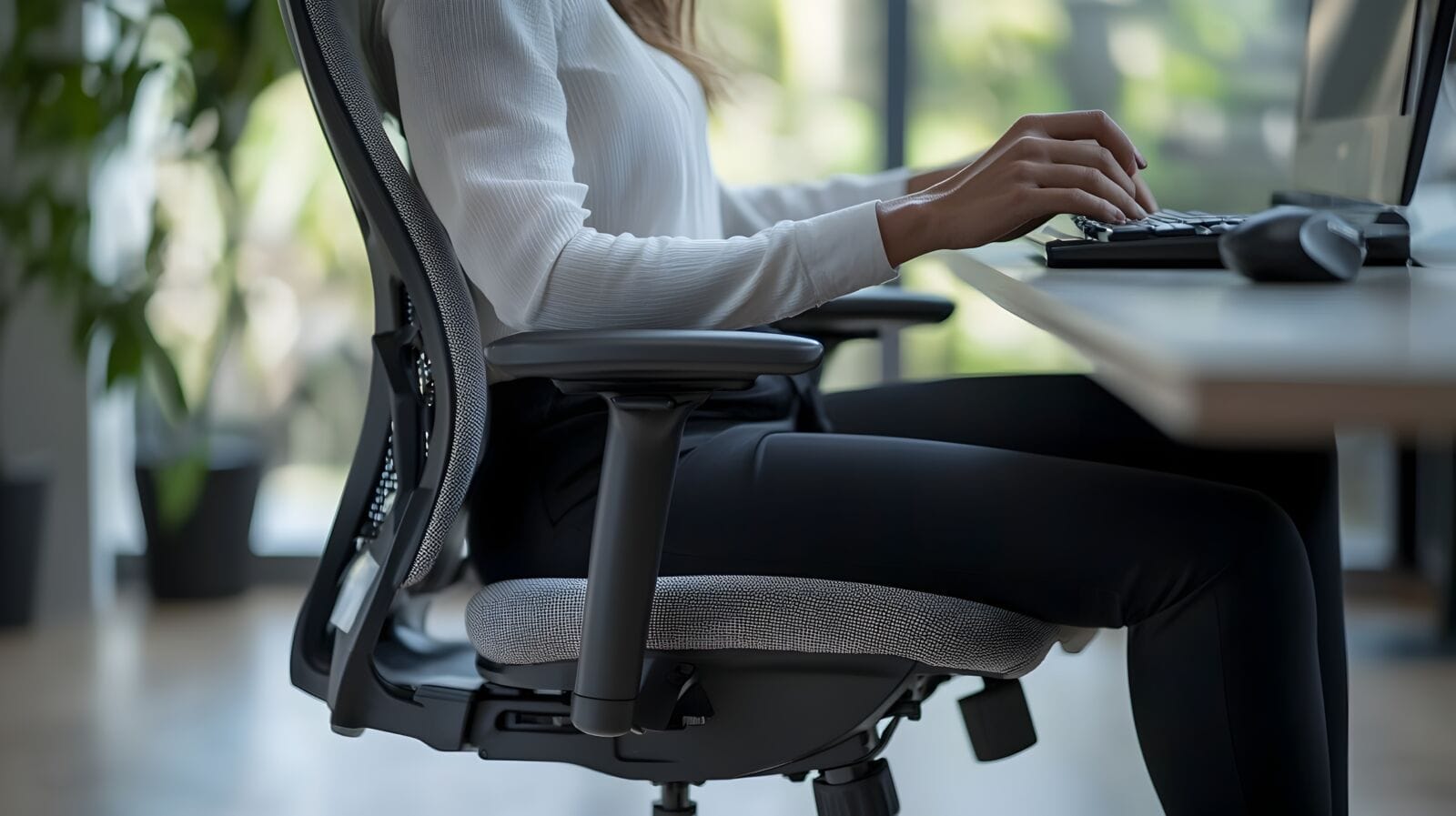
That risk shows up clearly in the numbers around ergonomics and physical wellbeing. 97.7 per cent of respondents said better ergonomic setups would help them work more efficiently and feel less physically drained, a finding that connects workspace design directly to employee energy and, by extension, productivity and burnout risk over time.
The Wellbeing Case for Better Workplaces
Matt Stewart, President of Source Office Furniture, framed the finding in terms employers can act on directly. “Our study shows people are open to the office when it gives them something they cannot get at home, better collaboration, tools, comfort and a workspace that supports their physical and mental wellbeing,” he said. “Before mandating a full-time return, employers should be asking whether the office is actually ready for employees to come back.”
That framing, wellbeing as a condition for office readiness rather than a perk layered on top of it, echoes a broader shift in how employers have approached employee support since the pandemic. Where early return-to-office efforts often focused narrowly on attendance tracking and policy enforcement, the study suggests employees are now evaluating offices through a more holistic lens that includes physical comfort, mental load and whether the space genuinely supports a full workday.
A Gap Between Employee Expectations and Current Investment
The gap between what employees say they need and what many workplaces currently offer appears substantial. 98.5 per cent of respondents said they want better in-office tools and amenities, citing reliable internet, ergonomic chairs, quiet spaces for focused work and quality coffee as specific examples. Nearly 93 per cent said employers should upgrade the physical workplace before requiring employees to return, rather than treating office improvements as a follow-up project after attendance policy takes effect.
For company leaders building the business case for workplace investment, that sequencing finding may be particularly useful. It suggests employees aren’t simply asking for nicer furniture as an abstract preference, they’re indicating that the order in which employers act, upgrade first versus mandate first, directly shapes whether return-to-office policy is met with cooperation or resistance.
Connecting Workplace Design to Broader Retention Strategy
The study also found that 69 per cent of employees disagree with a five-day-a-week return-to-office requirement, even though more than 83 per cent expressed general support for return-to-office policy. Read alongside the retention-related findings, this suggests employee resistance may be less about opposition to in-person work and more about whether the current version of that work, in an under-equipped office, on a rigid schedule, justifies the tradeoff against remote flexibility.
Commuting remained the most commonly cited barrier to returning to the office, ahead of both work-life balance and workplace infrastructure concerns, reinforcing that logistical and physical factors, not attitudes toward teamwork or collaboration, are driving much of the resistance employers are currently navigating.
As Canadian employers continue weighing return-to-office strategy against retention pressures, the study offers a fairly direct signal: workplace design is no longer a secondary consideration behind compensation and flexibility. For a workforce that overwhelmingly says office quality shapes job decisions, the state of the physical workplace may be one of the more underused retention levers currently available to employers.
The findings arrive as many Canadian organizations are simultaneously reviewing compensation strategy, benefits packages and hybrid work policy heading into the next fiscal year. Folding workplace investment into that broader retention conversation, rather than treating it as a separate facilities line item, may be the more effective path for organizations looking to reduce both attrition and resistance to in-office requirements at the same time.