
Offshore software development has transformed dramatically in the past decade. What began as a cost-cutting measure for non-core tasks is now a strategic driver of innovation, agility, and growth. Today, U.S. companies of all sizes — from fast-growing startups to Fortune 500 enterprises — rely on offshore development not just to save money, but to access global talent, speed up delivery, adopt new technologies, and stay competitive in a rapidly changing digital landscape.
As 2025 unfolds, the offshore development industry is undergoing significant shifts shaped by technological advances, changing workforce dynamics, and evolving business priorities. These trends are redefining how companies choose partners, structure teams, and approach global delivery.
This guide explores the most important offshore software development trends for 2025, why they matter for U.S. businesses, and how organizations can adapt to take full advantage of them.
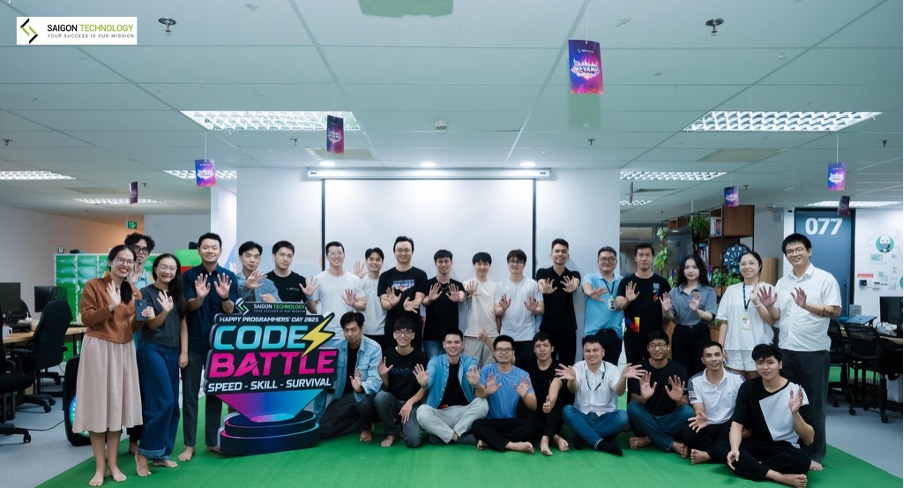
1. From Vendors to Strategic Partners: The Shift to Long-Term Collaboration
One of the most fundamental changes is the move from short-term, transactional outsourcing relationships to long-term strategic partnerships. U.S. companies are no longer looking for offshore vendors to “just write code.” They want partners who understand their business goals, share product vision, and contribute strategically to innovation.
This shift is driven by several key factors:
- Chronic tech talent shortages: The U.S. has more than 1 million unfilled software jobs, especially in fields like AI, cybersecurity, and cloud. Offshore teams bridge this gap with specialized skills and deep expertise.
- Continuous development cycles: Agile, DevOps, and CI/CD demand ongoing collaboration and iteration, which is difficult with short-term contracts.
- Value beyond cost savings: Offshore partners are now expected to bring product strategy, user experience, and emerging technology insights to the table.
Today’s offshore partnerships are more like co-innovation alliances than supplier relationships. Leading U.S. companies share roadmaps, integrate offshore teams into core workflows, and even involve them in business decisions. This collaborative approach creates stronger products and accelerates digital transformation.
Takeaway: U.S. businesses that treat offshore teams as strategic partners — rather than low-cost contractors — gain deeper value, faster delivery, and more innovative solutions.
LOCAL NEWS: Phoenix housing market outpaces national trends again in 2025
INDUSTRY INSIGHTS: Want more news like this? Get our free newsletter here
2. AI-Powered Development Becomes the New Normal
Artificial intelligence is no longer a “nice-to-have” in software development — it’s becoming a fundamental part of how code is written, tested, and deployed. Offshore teams are leading this transformation by integrating AI tools into every stage of the software lifecycle.
Some of the most impactful applications include:
- AI-assisted coding: Tools like GitHub Copilot and Codeium accelerate development by generating boilerplate code, suggesting optimizations, and reducing errors.
- Automated testing and QA: AI-driven testing frameworks run thousands of test cases in seconds, catch edge cases, and improve software reliability.
- Predictive project planning: AI analyzes historical data to improve sprint forecasting, workload distribution, and resource allocation.
- Intelligent DevOps automation: Machine learning helps predict deployment failures, optimize CI/CD pipelines, and improve release management.
The result is a significant boost in productivity. Offshore teams that embrace AI tools deliver faster time-to-market, better code quality, and reduced development costs — giving U.S. businesses more value per engineering hour.
Moreover, as AI capabilities grow, the competitive gap between vendors who adopt AI and those who don’t will widen. By 2025, companies choosing offshore partners without strong AI adoption risk falling behind in speed and innovation.
Takeaway: Choose offshore partners that actively use AI to enhance development productivity, quality, and predictability.
3. Rise of Hybrid and Nearshore Delivery Models
Traditional offshore outsourcing often meant working with teams halfway around the world. That’s changing. More U.S. businesses are now adopting hybrid and nearshore delivery models to balance cost, collaboration, and speed.
- Nearshore outsourcing involves partnering with teams in Latin America or Eastern Europe — close in time zone and culture. This improves communication, agility, and alignment.
- Offshore outsourcing (e.g., in Southeast Asia or South Asia) remains the most cost-effective option for large-scale engineering talent.
- Hybrid models combine both, with leadership roles (e.g., architects, product owners) nearshore and larger development teams offshore.
Hybrid approaches are particularly valuable for companies that run daily agile stand-ups or need rapid feedback loops. They minimize time zone friction while maintaining cost advantages.
Additionally, hybrid delivery offers risk diversification. By distributing teams across regions, businesses reduce exposure to geopolitical issues, infrastructure disruptions, or talent shortages in any single country.
Takeaway: Consider hybrid or nearshore-offshore models for optimal collaboration and resilience, especially if real-time communication is critical to your project.
4. Security and Compliance Take Center Stage
As software becomes more integral to business operations — and cyber threats grow more sophisticated — security is now a top priority in offshore development. It’s no longer enough for vendors to deliver working code; they must demonstrate strong security practices and compliance readiness.
U.S. companies are particularly concerned with:
- Data privacy regulations such as GDPR, HIPAA, and CCPA.
- Industry-specific compliance like PCI-DSS for fintech or ISO 13485 for medical software.
- Secure SDLC practices, including threat modeling, secure code reviews, and continuous vulnerability scanning.
- Zero-trust architectures and least-privilege access controls to protect intellectual property and sensitive data.
Offshore partners that cannot prove their security posture risk disqualification early in the selection process. Mature vendors now offer detailed documentation, third-party audits, and dedicated security teams as part of their service.
Takeaway: Security and compliance are no longer differentiators — they’re prerequisites. Demand verifiable proof of security maturity from any offshore partner you consider.
5. Industry-Specific Expertise Becomes a Competitive Advantage
The offshore development industry is shifting from “generalist” vendors to specialized domain experts. Businesses increasingly seek partners who understand the specific challenges, regulations, and user expectations of their industry.
Benefits of domain expertise include:
- Faster onboarding and fewer errors: Teams already understand the business context and workflows.
- Smarter solutions: Domain-savvy developers can suggest features, improvements, and best practices.
- Regulatory awareness: Industry experience helps avoid costly compliance mistakes.
For example, a fintech company benefits enormously from working with a partner that understands KYC/AML requirements and digital banking workflows. Likewise, a healthcare startup needs a team experienced with HIPAA compliance and patient data security.
This specialization trend also leads to vertical-specific accelerators — pre-built components, templates, and frameworks that shorten development time and reduce costs.
Takeaway: When evaluating offshore partners, prioritize those with proven success in your vertical. Their experience will translate directly into faster, safer, and more effective software delivery.
6. Build-Operate-Transfer (BOT) Models Gain Momentum
A growing number of U.S. companies are turning to the Build-Operate-Transfer (BOT) model as a way to establish long-term offshore capabilities without taking on immediate operational complexity.
Here’s how it works:
- Build: The vendor sets up a dedicated offshore development center, hires talent, and establishes infrastructure.
- Operate: The vendor runs the team, manages operations, and delivers projects under agreed KPIs.
- Transfer: After a set period, the client has the option to take over the team, IP, and infrastructure — turning it into an owned subsidiary.
BOT offers several advantages:
- Faster market entry: Companies avoid the legal, HR, and logistical complexities of setting up an offshore entity from scratch.
- Lower risk: They can test and scale operations under vendor management before assuming full control.
- Strategic ownership: Eventually, they own the team, processes, and intellectual property.
BOT is particularly appealing to U.S. enterprises planning long-term offshore operations. It combines the best of outsourcing and in-house development, with flexibility built in.
Takeaway: If you want a long-term offshore presence but aren’t ready to build it yourself, BOT offers a low-risk, high-control path forward.
7. Developer Experience Becomes a Strategic Priority
As competition for skilled developers intensifies globally, offshore vendors are investing heavily in developer experience (DX) — improving tools, processes, work environments, and career growth opportunities to attract and retain top talent.
Why this matters: high turnover disrupts projects, slows delivery, and erodes institutional knowledge. Vendors that focus on DX see lower attrition, more motivated teams, and higher-quality output.
Key DX initiatives include:
- Continuous training and certification programs.
- Career development plans and clear growth paths.
- Access to modern tools, cloud environments, and automation platforms.
- Flexible work policies and strong engineering cultures.
U.S. companies evaluating partners should ask about retention rates, average tenure, and internal engineering practices. These factors often predict project success as much as pricing or technical skills.
Takeaway: Stable, engaged teams deliver better results. Prioritize vendors that invest in their people.
8. ESG and Ethical Outsourcing Shape Vendor Selection
Environmental, Social, and Governance (ESG) considerations are no longer niche concerns — they’re influencing procurement decisions across industries. U.S. enterprises, especially those with public sustainability goals, are beginning to evaluate offshore partners on ethical and environmental grounds.
Leading vendors now:
- Publish annual ESG and sustainability reports.
- Operate energy-efficient data centers and adopt carbon-reduction targets.
- Promote workforce diversity, equity, and inclusion.
- Support local communities and invest in education initiatives.
This matters because ESG performance increasingly affects brand reputation, investor relations, and compliance obligations. Choosing a socially responsible offshore partner helps companies align with their own corporate values and stakeholder expectations.
Takeaway: ESG is emerging as a key differentiator. Ethical and sustainable outsourcing isn’t just good practice — it’s becoming a business imperative.
9. Demand for End-to-End Capabilities Grows
Another major trend is the rising demand for end-to-end product development — from ideation and design to deployment and maintenance. U.S. companies want offshore partners who can deliver complete solutions, not just code.
This trend reflects the shift toward product-centric thinking. Instead of contracting separate vendors for design, development, testing, and DevOps, businesses increasingly prefer integrated teams that handle the full lifecycle. This approach reduces coordination overhead, improves accountability, and shortens time-to-market.
Leading offshore vendors now offer:
- Product discovery and strategy workshops.
- UX/UI design capabilities.
- DevOps and cloud infrastructure services.
- Ongoing support and maintenance.
Takeaway: Look for partners who can support your entire product journey. End-to-end capabilities translate into faster launches, smoother workflows, and higher-quality outcomes.
10. Geopolitical and Economic Factors Influence Sourcing Decisions
Finally, macroeconomic and geopolitical realities are shaping offshore development strategies. Factors like inflation, trade policy, data sovereignty laws, and geopolitical tensions are prompting U.S. companies to diversify their outsourcing portfolios.
Some key trends:
- China+1 strategy: Companies are expanding beyond China to Vietnam, India, and Eastern Europe to reduce geopolitical risk.
- Data localization laws: New regulations influence where software and data can be developed and stored.
- Currency and inflation dynamics: Cost competitiveness of certain regions is shifting as currencies fluctuate.
As a result, many U.S. businesses are adopting multi-region sourcing strategies — combining offshore, nearshore, and onshore resources to ensure resilience and flexibility.
Takeaway: Global sourcing decisions now require geopolitical awareness. Diversifying across multiple regions helps reduce risk and improve business continuity.
How U.S. Companies Can Leverage Offshore Development in 2025
Understanding these trends is only the first step. To truly benefit, U.S. businesses should rethink how they approach offshore software development. Here are some best practices:
- Prioritize strategic alignment, not just cost savings. Choose partners who understand your goals and can grow with your business.
- Evaluate AI capabilities early. Ask vendors how they integrate AI into their development and DevOps workflows.
- Adopt flexible delivery models. Consider hybrid or nearshore options to balance collaboration and cost.
- Demand transparency on security and compliance. Verify certifications, audits, and secure development practices.
- Choose vertical specialists. Domain knowledge can dramatically accelerate delivery and reduce risk.
- Explore BOT for long-term plans. It’s a powerful path to scalable, owned offshore operations.
- Assess developer experience and retention. Stability and morale directly affect project success.
- Consider ESG performance. Responsible outsourcing aligns with corporate sustainability goals.
- Seek end-to-end capabilities. Full-service partners simplify project management and speed time-to-market.
- Diversify geographically. Spread risk across regions to enhance resilience.
Final Thoughts
Offshore software development in 2025 is about much more than cost savings. It’s about building strategic global partnerships that enable innovation, accelerate delivery, and strengthen competitive advantage. The companies that succeed will be those that embrace AI, prioritize security and specialization, adopt flexible delivery models, and view offshore teams as integral parts of their product strategy.
The trends shaping the industry this year — from AI-driven development and hybrid models to ESG and BOT — signal a more sophisticated, strategic era for offshore software development. By understanding and acting on these trends now, U.S. businesses can position themselves to thrive in an increasingly global, digital, and competitive marketplace.