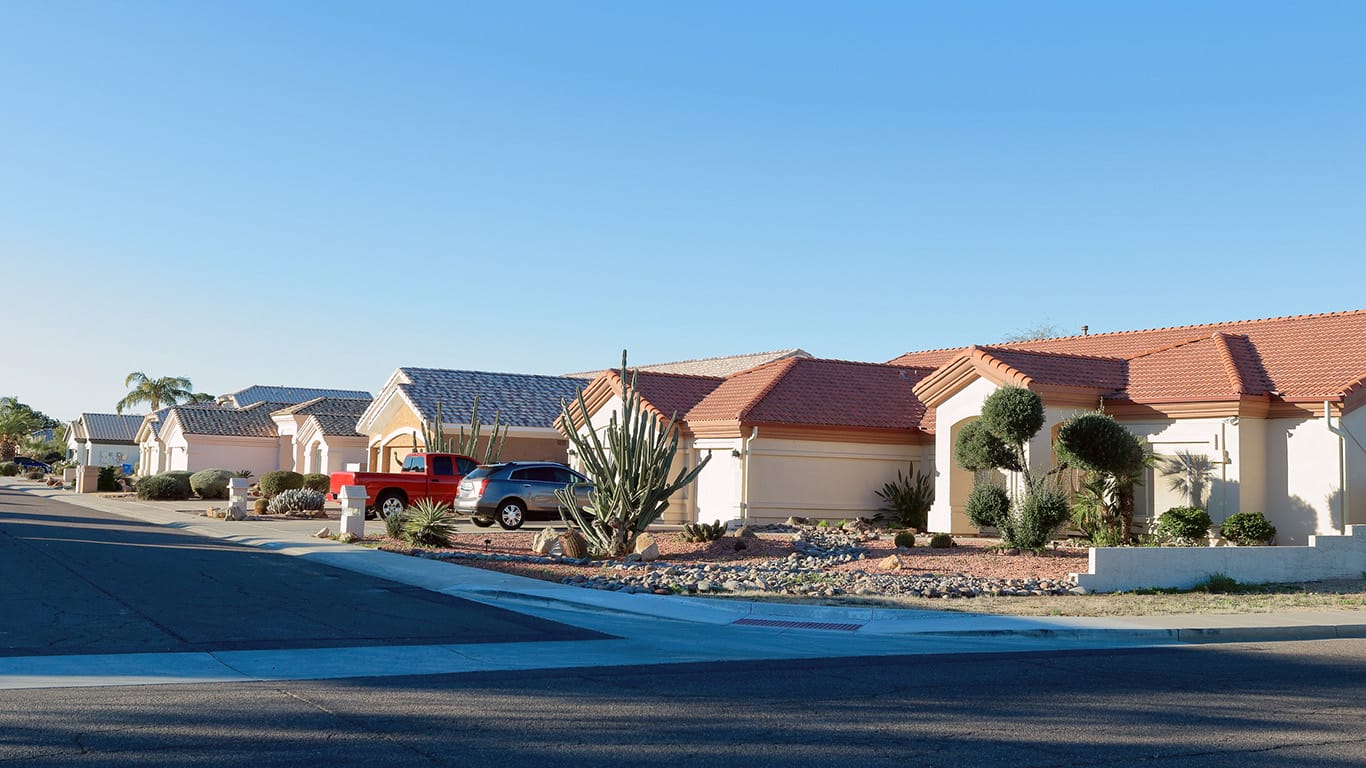
As water stresses increase in Arizona, potable water reuse is poised to usher in a new era of water resilience
Arizona’s next era of water resilience will come from reuse, not rivers. After decades of drought and shrinking Colorado River allocations, the state’s growth now depends on bringing new, reliable supplies online. Meanwhile, contaminants such as PFAS, nitrates, arsenic, and legacy mining pollutants are further tightening the squeeze on wells and surface water. Together, these pressures are moving potable water reuse from a smart strategy to a statewide necessity.
In Arizona, both indirect and direct potable reuse are now on the table. Most past projects have centered on indirect potable reuse, or purifying treated wastewater and recharging it into aquifers or reservoirs before it returns to drinking water systems. Now, the Arizona Department of Environmental Quality (ADEQ) is advancing rules for direct potable reuse, known locally as Advanced Water Purification (AWP), which will allow purified wastewater to supply drinking systems. With ADEQ’s new regulatory pathway and federal Title XVI Water Reuse funding, Arizona is entering an era where both approaches will help close the supply gap.

Financing remains a hurdle for many municipalities considering reuse. Traditional design-bid-build approaches require large upfront capital and long procurement cycles.
Service-based models such as Seven Seas Water Group’s Water-as-a-Service® (WaaS®) eliminate those barriers by packaging design, build, operations, and compliance under one flexible lease or performance-based agreement, simplifying the experience to a single monthly payment. For Arizona communities, that means accessing a new supply without the delays of debt-funded infrastructure or the burdens of O&M.
For cities facing new growth limits, and for developers waiting on permits, the timing couldn’t be more critical.
Why Potable Reuse Matters Right Now
PFAS, nitrates, and arsenic increasingly show up in wells and surface water, driving the need for advanced treatment that conventional systems cannot deliver quickly or affordably. Traditional expansion projects often take years to permit and build, tying up budgets while communities wait, but modular potable reuse offers a way to add new, drought-proof supply in months instead of years, using proven technology already backed by state and federal support.
Barriers to Traditional Potable Reuse Projects
Yet despite clear need and available funding, implementation still faces obstacles. Utilities should not underestimate the potential reaction to potable reuse, commonly known as the “yuck factor.” Winning public confidence requires clear competence, transparency, and steady engagement. When agencies and providers stay engaged to build confidence that reclaimed water will meet or exceed the highest drinking water standards, trust grows. The best outcomes happen when no mystery remains, and the public understands potable reuse as ordinary. That’s where innovative delivery models can make a difference.
How WaaS® and Leasing Unblock Action
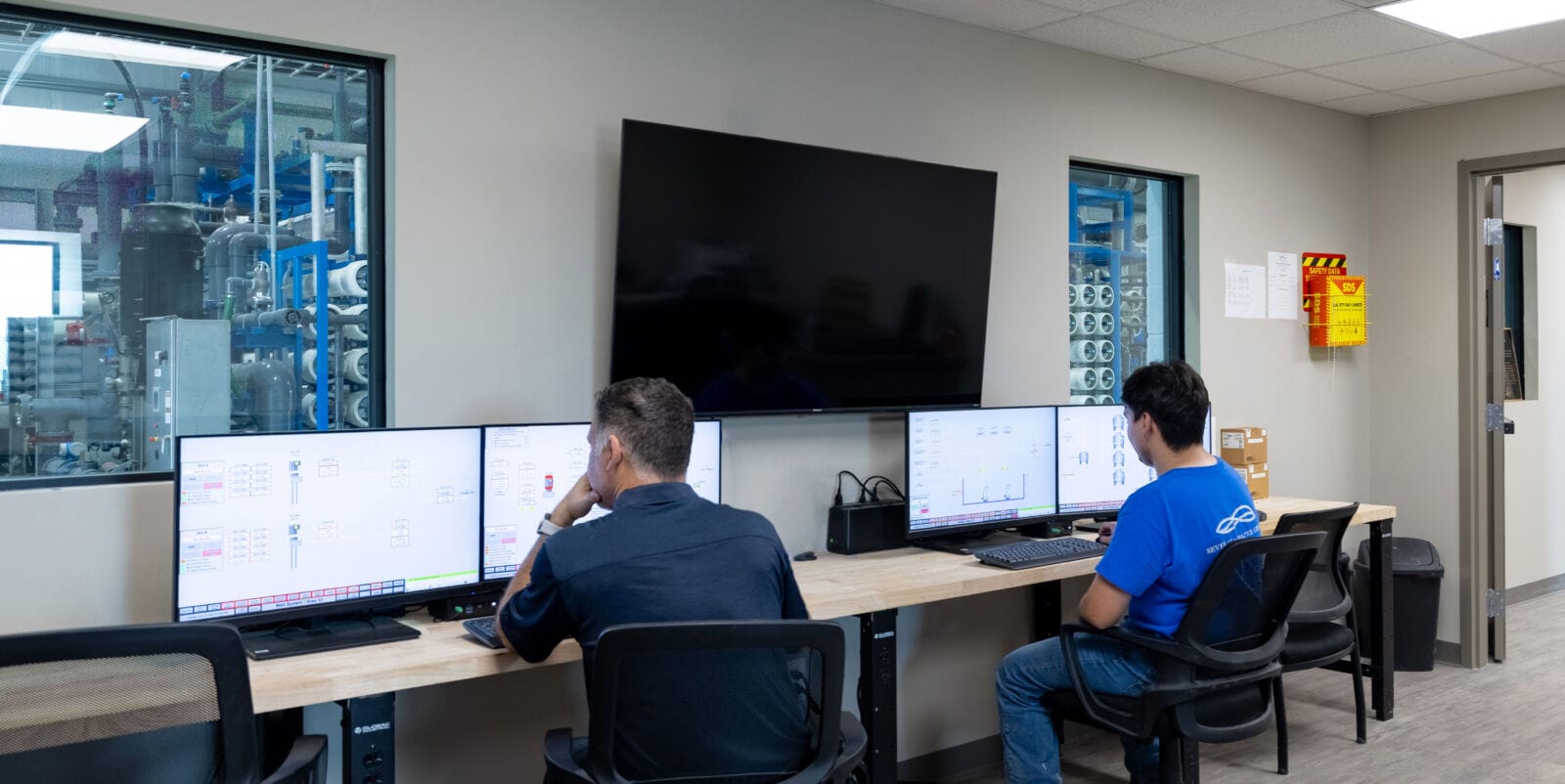
WaaS® removes the large upfront costs and lengthy procurement cycles that can stall traditional projects for years by providing a comprehensive turnkey partnership. Customers pay a predictable monthly fee instead of issuing debt or managing multiple contractors. The result is faster delivery, fewer administrative hurdles, and guaranteed performance throughout the contract term.
Leasing provides added flexibility for shorter project timelines or utilities that prefer to manage O&M in-house. Each system is designed to meet or exceed ADEQ’s AWP standards, providing regulatory peace of mind. And modular, pre-engineered systems also allow phased installation to match growth, helping communities meet immediate needs without committing to complete buildouts based on long-term projections that may not prove accurate.
Key Benefits:
- Resilience during drought and population growth
- Sustainability, with less groundwater draw
- Speed, with permitting, procurement, and delivery in months
- Cost predictability for easy budgeting and faster approvals
- Community trust through transparent data, expert operations, and minimal on-site disruption
A Path Forward for Potable Reuse in Arizona
Title XVI and ADEQ’s new Advanced Water Purification rules deliver funding and regulatory clarity to move projects from pilots to production, shifting potable reuse from a “nice-to-have” concept to a “must-have” necessity. But potable reuse must always involve the highest level of expertise to get it right the first time, because one mistake can undermine public trust for years to come. By pairing proven technology with delivery models that remove capital and schedule barriers, communities can right-size projects today and phase in capacity as demand grows-helping Arizona lead the nation in potable reuse readiness.
Learn how Arizona communities are making potable reuse a reality through flexible Water-as-a-Service® and leasing solutions that accelerate drought-proof supply.
About Seven Seas Water Group
Seven Seas Water Group provides more than 20 billion gallons of water annually across the Americas. Specializing in decentralized Water-as-a-Service® solutions, Seven Seas designs, builds, operates, and upgrades facilities to optimize public-private risk transfer and address global water and wastewater infrastructure challenges for diverse sectors.
Author: Erik Arfalk is the Senior Vice President of Business Development and Marketing at Seven Seas Water Group. With over 20 years of international strategy and business development experience from companies like GE, Atlas Copco, and Fluence, Mr. Arfalk currently leads strategic growth and branding initiatives for Seven Seas.