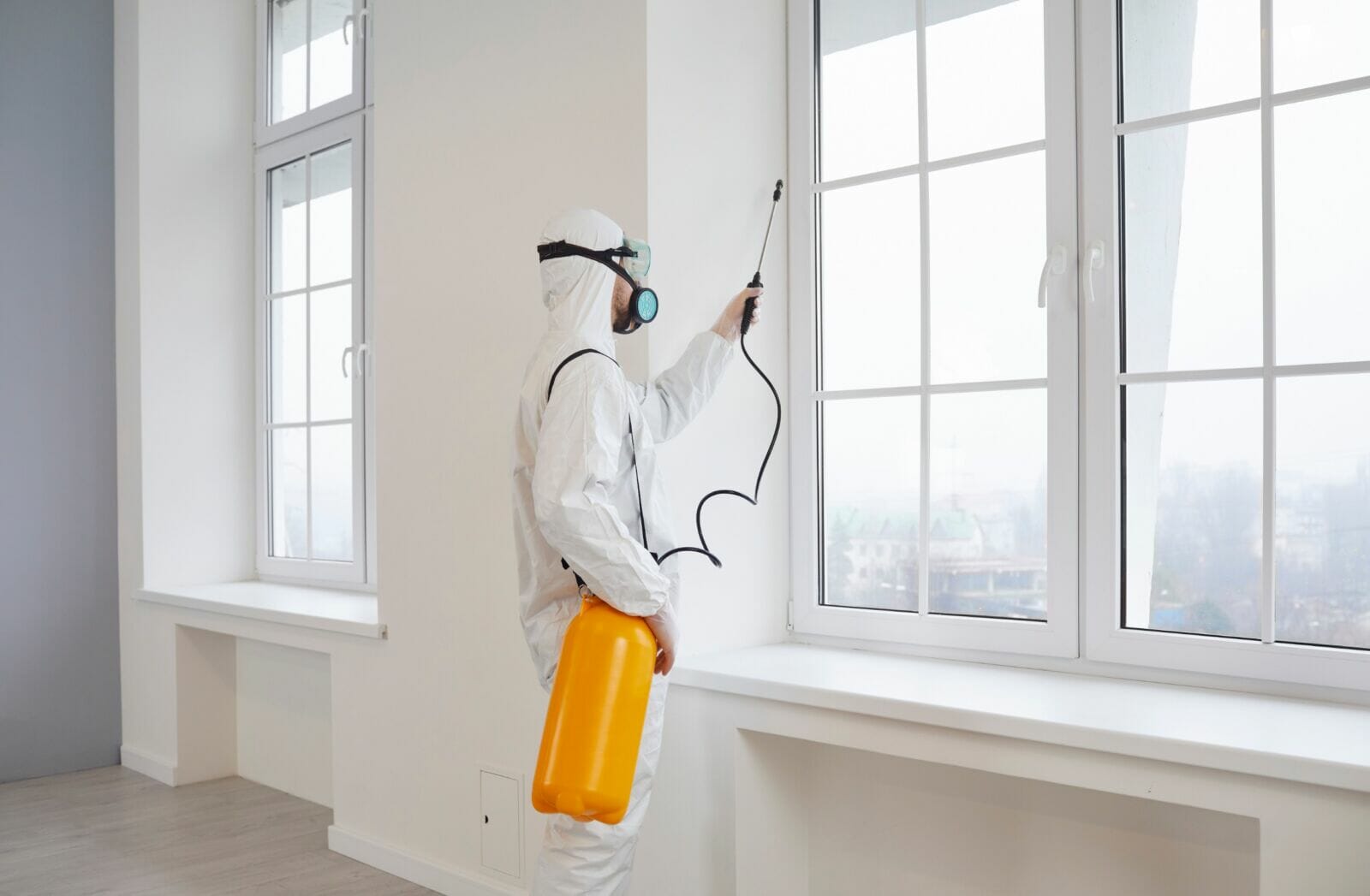
Cleanliness and hygiene are two paramount factors that contribute to a conducive and productive office environment. Employees need to work in a space that is free from continuous distractions that may arise due to issues such as pest infestations. This article shares practical steps you can take to ensure your office remains healthy, pest-free, and suitable for all your productivity needs.
The Need for Professional Pest Control
The first step towards maintaining a healthy, pest-free office environment is hiring a professional pest control service regularly. This is a preventive approach that helps to keep pests off your office space before they can even become a significant problem.
Professional pest controllers have the knowledge and essential tools to efficiently handle any type of pest. They use safe and effective methods to get rid of rodents and other pests without causing harm to the office workers or damage to the property. Moreover, they can offer advice on preventative measures to keep pests away in the future. Make sure to schedule this activity when the office is closed to avoid disruption to regular work activities.
MORE NEWS: Phoenix bucket list: 25 things you must do
INDUSTRY INSIGHTS: Want more news like this? Get our free newsletter here
Maintain Cleanliness
The higher the level of cleanliness, the lower the likelihood of pest infestations, and the healthier and more comfortable the office environment will be. This is because pests are typically attracted to areas with available food and water sources.
Implement a cleaning schedule to ensure the office space remains clean and tidy at all times. Promptly clean up any food or beverage spills. Always empty trash bins at the end of each day. Regularly clean common areas, including break rooms and kitchens, to discourage pests from making habitats there.
Properly Store Food
A majority of pests are notorious for being attracted to stored food. This makes it necessary always to store food in airtight containers. If you offer communal food at the office, make sure it is sealed properly when not in use. Cover food items properly, especially in kitchen areas. Maintain a policy that restricts employees from leaving leftover food in their workstations overnight.
Seal Entry Points
Perform a regular check on the office premises to identify and seal any potential entry points for pests. This may include cracks, holes, windows, or doors that don’t close entirely. Sealing such points reduces the chances of easy access for pests into the office building. An inspection by professional pest controllers can also help to find hidden entrances that may not be as visible to untrained eyes.
Manage Office Landscaping
Proper management of the office outdoor area can help to deter pests from coming close to the office building. Keep bushes and trees well trimmed and at a reasonable distance from the building to reduce the likelihood of pest infestation. Regularly clean gutters to prevent water build-up that may attract pests.
Promote Good Hygiene Practices
Encourage your employees to practice good hygiene. This includes cleaning their workstations regularly, washing hands before and after meals, and avoiding littering food scraps. A clean and healthy office culture significantly reduces the chances of attracting pests.
Install Pest Traps
Invest in pest traps and insect light traps to catch any pests that might find their way into the office. However, this should not be the primary method of pest control but rather a complementary measure.
Use of Pest Repellents
There are numerous pest repellents available in the market that can help deter pests from making your office their new home. Use responsibly, as some may be harmful if used excessively.
Conclusion
Preventing pest infestation in your office requires a joint effort from all parties involved, including the management, staff, and professional pest control services. With these steps, your office can remain a healthy and pest-free environment conducive to maximum productivity and comfortable working conditions. Remember, prevention is always better than cure, especially when it comes to pest control in today’s workplace.