In today’s digital world, businesses need safe and reliable ways to handle payments to keep their customers’ trust. As payment methods change, cybercriminals also find new ways to cause problems.
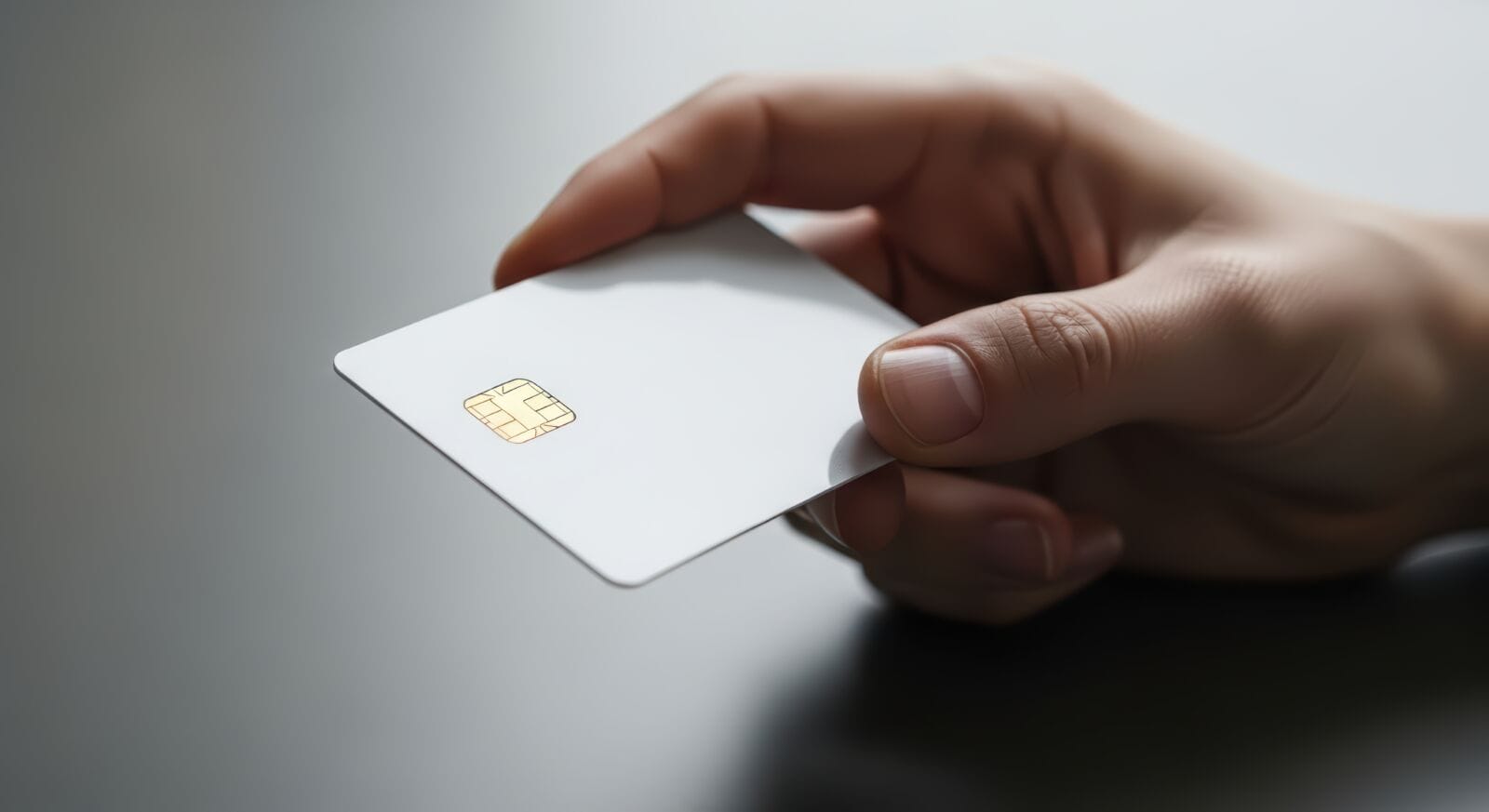
That’s why EMV technology, the small chip found in most debit and credit cards, is so important. It helps keep every card payment safe and secure.
If your business accepts card payments, learning how EMV works can help you protect transactions, stop fraud, and build stronger trust with your customers. Let’s explore how EMV technology keeps businesses safe by protecting payments and preventing card fraud.
What Is EMV Technology?
EMV stands for Europay, Mastercard, and Visa. These are the three companies that developed the global standard for chip-based payment cards. Unlike traditional magnetic stripe cards, EMV cards contain a microchip that generates a unique code for each transaction.
This code cannot be reused or replicated. This makes it nearly impossible for hackers to steal and duplicate card data.
EMV technology also supports contactless payments and PIN verification. It offers multiple layers of protection during credit card transactions.
Since its widespread adoption, EMV has significantly reduced counterfeit card fraud worldwide. Merchants who switched to EMV systems saw a decrease in counterfeit fraud within two years.
How EMV Protects Businesses
For businesses, EMV technology offers stronger security and helps build customer trust. Each time a card with an EMV chip is used, it creates a special one-time code that keeps the transaction safe. Even if someone tries to steal the data, they can’t use it again.
EMV also helps prevent fake chargebacks from cloned cards. This protects businesses from losing money to fraud. It works together with secure payment systems to keep customer information safe on different platforms.
By using EMV-enabled machines, businesses make sure customer payments are protected from start to finish. This makes it very hard for anyone to steal data.
EMV and Contactless Payments
As tap-to-pay becomes more popular, EMV technology continues to evolve with it. Contactless cards use the same secure EMV framework to process payments via Near Field Communication (NFC).
These transactions are just as secure as chip insertions. Each tap creates a unique transaction ID verified by the issuing bank. This combination of convenience and protection has made EMV-based contactless payments a global standard.
For small and medium-sized businesses, embracing contactless EMV payments means
- faster checkout times
- improved hygiene
- stronger customer satisfaction
This is possible without sacrificing security.
Why EMV Compliance Matters
EMV compliance isn’t just about keeping payments safe. It’s also about being responsible. Since 2015, a rule called the “liability shift” has made the business or bank with weaker technology responsible for any fraud that happens.
If your business still uses old card readers with magnetic stripes, you could be held responsible for fraud that EMV technology could have stopped. Upgrading to EMV helps your business meet today’s security standards and protects you from losing money.
In short, EMV compliance is no longer a choice. It’s a must for running your business safely and responsibly.
Integrating EMV With Your Business
Switching to EMV is easier than it sounds. Most modern payment systems already accept chip and contactless payments.
To get started, upgrade your payment machines to EMV-certified ones that can handle both chip and tap transactions. Make sure your staff know how to use the new system and help customers with it.
Update your software so it works smoothly with your payment provider. Test a few transactions to be sure everything is safe and working properly. If you’re not sure where to start, you can look for expert help to guide you in setting up EMV technology for your business.
EMV vs. Traditional Magnetic Stripe
The difference between EMV and magnetic stripe cards is more than just the chip. Magnetic stripe cards store static information that never changes. This makes them easy targets for cloning.
EMV chips, however, use dynamic authentication. This means every payment generates a new cryptographic code. This makes it virtually impossible for criminals to create counterfeit cards from stolen data.
In addition, EMV supports PIN verification, adding another security step that ensures the cardholder’s identity. Together, these improvements have reshaped how businesses and consumers handle credit card transactions safely.
EMV’s Role in Online Transactions
While EMV is best known for in-person card payments, its security principles also influence eCommerce protection. Many online payment gateways now use tokenization. This is a concept inspired by EMV to replace sensitive card data with unique, encrypted tokens.
This ensures that even if an online system is compromised, hackers can’t access actual card numbers. Businesses that combine EMV-enabled physical payments with secure online gateways offer their customers the best of both worlds: convenience and protection.
Common Myths About EMV
Even though EMV is widely used, there are still some common misunderstandings about it. Some people think EMV makes payments slower, but modern machines process transactions in just a few seconds, especially with tap-to-pay options. Others believe only big businesses need EMV, but small businesses face the same risks of fraud and need protection too.
Another myth is that EMV only works for chip cards, but it also supports mobile wallets and tap-to-pay devices like smartphones and smartwatches. Knowing the truth about EMV helps business owners make smart choices and keep their customers’ payments safe.
Looking Ahead: The Future of EMV
As payment technology continues to advance, EMV will remain the foundation of secure credit card transactions. Future developments are focusing on faster contactless processing, biometric authentication, and AI-driven fraud detection.
Global EMV adoption is expected to exceed by next year. This solidifies its position as the dominant standard for secure payments.
For businesses, staying ahead means continuously upgrading payment systems and ensuring compliance with new security protocols. The investment you make today in EMV technology will protect your business for years to come.
Final Thoughts
EMV technology has changed the way businesses handle card payments, from small shops to big companies. It keeps every transaction safe with strong security, data protection, and fraud prevention.
By using EMV systems, you protect your customers’ information and show that your business is trustworthy and modern.
If you’re ready to make your payment system safer, now is the best time to switch to EMV. With this technology, you can enjoy peace of mind knowing every payment is secure.
For more educational tips, check out our blog posts.