Every company can explain, almost to the dollar, what a business trip costs. The airfare, the hotel, the rental car. Ask those same leaders what the trip cost in time, and the room goes quiet.
That silence is the real problem, and it is worth naming plainly: business travel has a measurement problem. Organizations track travel in dollars because dollars are easy to count. But the scarcest resource in any company is not the travel budget. It is the time of the people doing the traveling. In business, companies fix what they measure, and almost nobody measures that.
WOMEN IN BUSINESS: The Most Influential Women in Arizona for 2026
WOMEN IN REAL ESTATE: The Most Influential Women in Commercial Real Estate for 2026
Measurement is at the core of effective product development. Product leaders live in metrics, friction and user experience. Yet the same companies that will redesign a checkout flow to save a customer eleven seconds will send a senior leader on a trip that burns eleven hours, and nobody blinks. Companies would never accept that trade in software. They continue to accept it in travel because the experience is rarely measured beyond the expense report.
The calculation should start the way any product team would evaluate an experience: by looking at the entire journey. A 90-minute commercial flight is never just 90 minutes. It includes the drive to a major airport, the security line, the boarding process, taxi time, ground transportation on the other end and the same sequence in reverse. A one-hour meeting two states away routinely consumes an entire workday, and when schedules do not align, it can require an overnight stay and disrupt the following morning.
On paper, that trip may appear to be a few hundred dollars well spent. In reality, the company has spent its most limited resource and never recorded the transaction.
The tempting solution, in a world where every calendar invite arrives with a Zoom or Teams link, is simply to travel less. But the answer is not always another virtual meeting. Video is exactly right for status updates and quick alignment. The challenge is that the default has shifted, and a meeting often earns an in-person conversation only when a screen is impossible rather than when presence creates value.
A deal, a key hire, a strained relationship or a first conversation in a market a company wants to grow in still depends on trust. Trust is built fastest in person. When travel becomes too costly in hours, important opportunities can quietly lose to convenience. The meeting that deserved a room gets a link instead, and that cost never appears on a report either.
The alternative can be seen among Jet OUT customers. One business owner operates across three states. On a productive travel day, he can leave in the morning, meet with teams in multiple markets and return home for dinner. The value of that day is not simply comfort. It is compression: more face-to-face conversations, more opportunities addressed and a next morning that starts at full speed.
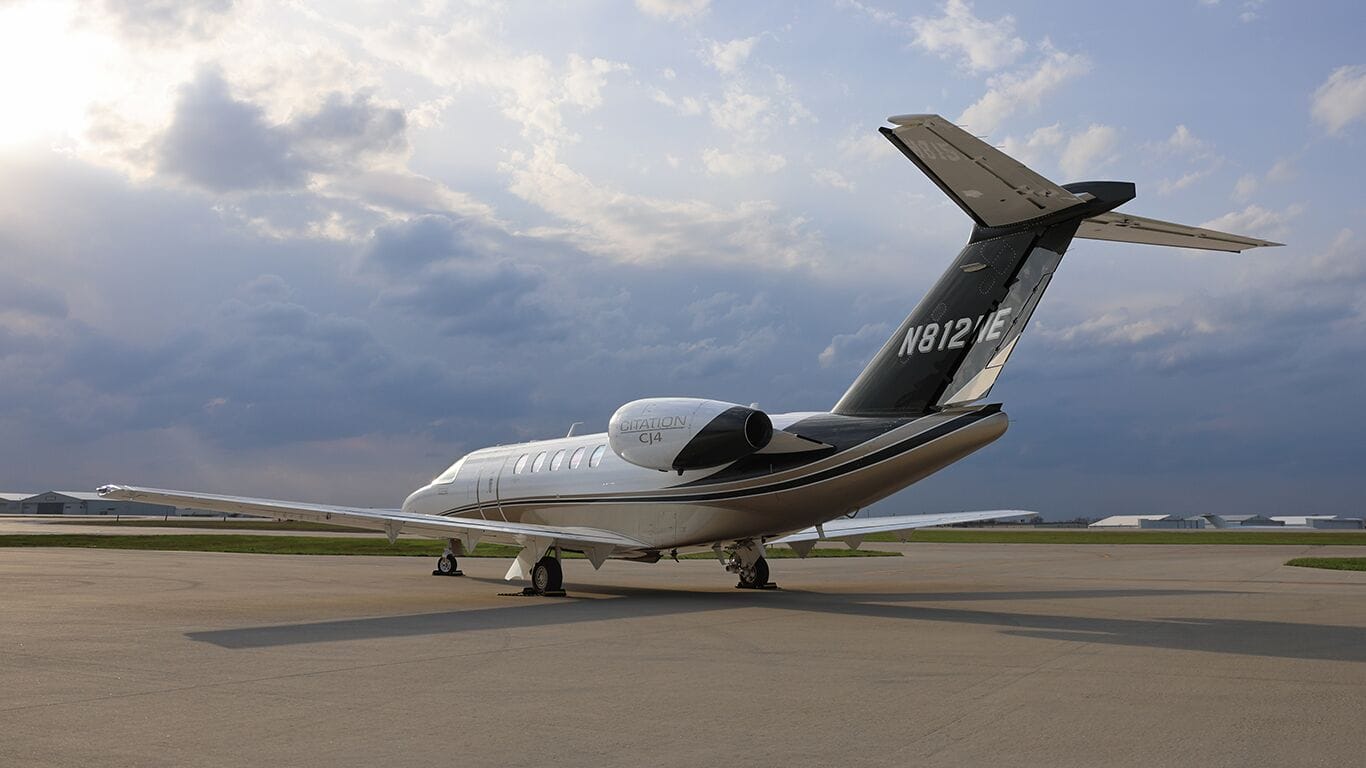
That is the problem Jet OUT was designed around, approaching private aviation the way any product team would: start with the user’s day, not the aircraft. By positioning aircraft and crews near where owners live, Jet OUT helps make multi-market days possible while maintaining nationwide capability. The company structures its programs around travel days rather than hours logged in the air and provides transparent pricing so customers can better understand the value.
The offering is not simply a flight. It is the return of time and the ability to put important conversations, meetings and opportunities back on the table. The aircraft is the mechanism, not the product.
Organizations do not need a private aircraft to rethink how they evaluate travel. Many trips are served perfectly well by commercial options. What every organization can adopt is a better measurement framework.
Review the last five executive trips and evaluate each one in hours: total door-to-door time, productive time within the journey and what the trip made possible or impossible. Do the same for the last five meetings held virtually and consider which conversations would have benefited from being in the room.
The question that reframes the decision is simple: How much time did this trip return?
Price will always be part of the equation, and it should be. But dollars measure what a trip takes from the budget. Hours measure what it takes from the business. The companies that make the best travel decisions in the years ahead will be the ones measuring the right resource, because time is the one asset no budget line can buy back.
Author: Gordon Cameron is Chief Product Officer at Jet OUT, a private aviation company offering Co-Ownership, Co-Lease, and Private Charter aboard factory-new CJ4 Gen2 aircraft based at regional bases near where owners live.