When John Ternus became Apple’s CEO, the transition was so smooth that it barely raised an eyebrow. Employees didn’t rush to Google his name, and the tech world didn’t buzz with rumors or surprises.
Apple didn’t spring the news overnight. As Tim Cook stepped aside, Ternus—already a familiar face from product launches and interviews — naturally took the spotlight. The company wanted the change to feel expected, not disruptive.
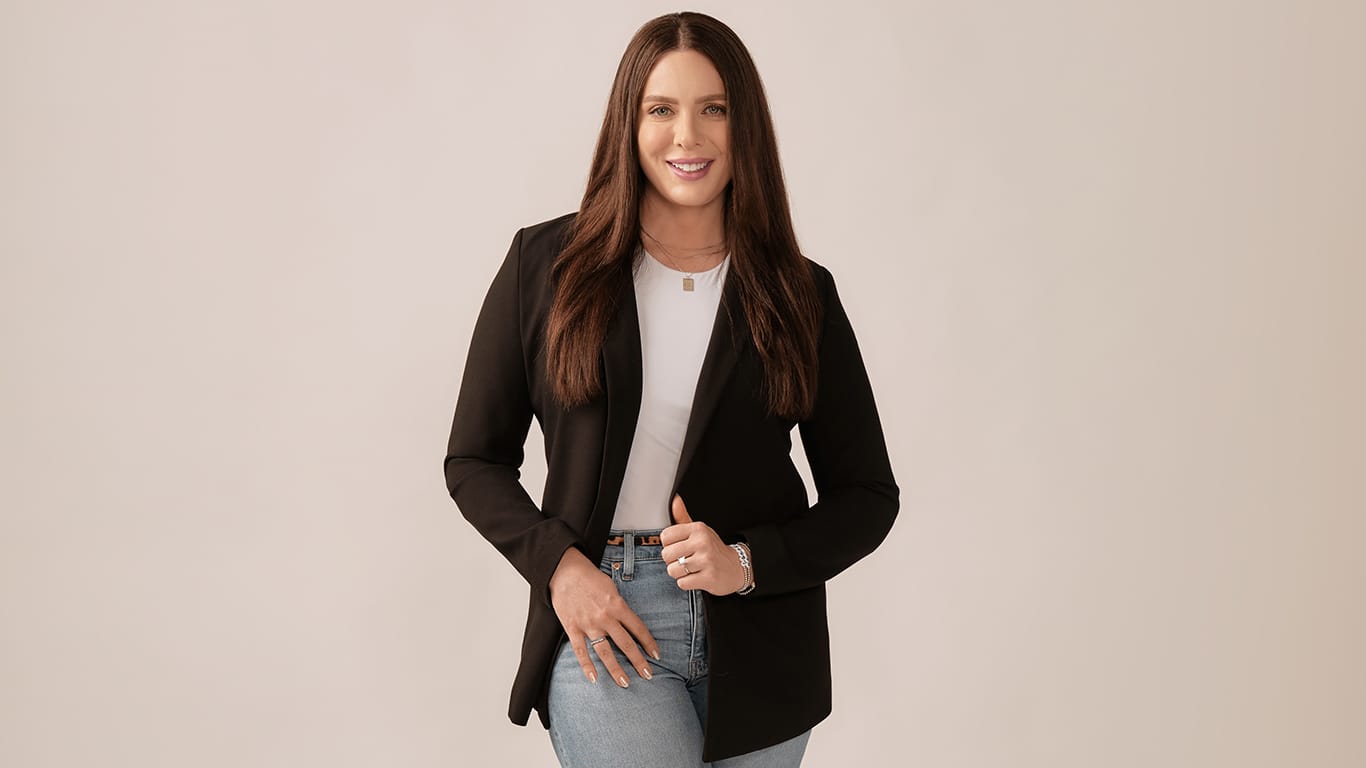
For Jacqueline Keidel Martinez, president and chief communications officer of Digital HQ, Arizona companies continue to miss the mark.
DEEPER DIVE: Abandoned North Phoenix project gets new life as $190 million sports complex
INDUSTRY INSIGHTS: Want more news like this? Get our free newsletter here
“It was never as if Apple had this secret in a drawer, and one day everybody woke up and Ternus was CEO,” she said. “There were strategic and intentional visibility moments.”
Martinez’s perspective is shaped by her work at Digital HQ, the agency she and founder Hillary Applegate built to bridge the long‑standing divide between PR, marketing and advertising.
“We leave ego at the door,” she said. “We’re making those two disciplines work together so much better.”
Through Digital HQ, Martinez has built a career helping brands and executives navigate the modern communications landscape. She has witnessed how leadership changes can rattle even the healthiest organizations.
“Companies confuse secrecy for strategy,” she said. “I’m not saying we should leak who the new CEO is going to be, but there should be intentional moments of visibility, trust building, and credibility infrastructure leading up to an announcement.”
Martinez said the Apple story isn’t really about the size of the company. It’s about understanding people. Digital HQ has found that when executives speak for themselves, audiences are four times more likely to listen than when the brand speaks alone. People trust people, not faceless companies.
“Right now, people just don’t trust big institutions like they used to,” she explained. “But when you put a real person in front of an audience, suddenly there’s a voice and a reputation that people can connect with.”
Martinez described the Arizona market as tight‑knit, relationship‑driven and increasingly sophisticated. She recalled a global company that struggled to gain traction locally because it felt faceless, distant, not quite a neighbor.
Digital HQ shifted the spotlight to the executive who actually lived in Arizona.
“He knew this market. He was invested in the people and communities here,” Martinez said. “We were able to help this company win several eight‑figure bids over about three years.”
The brand alone couldn’t do that. The executive could.
“A logo doesn’t have stories, hardships, or quirks,” she said. “Real connections happen person to person.”
Martinez pointed to Oura Ring as a cautionary tale. When a rumor spread online claiming the company was sharing nonpublic personal data with the government, Oura responded with a statement on its website. It didn’t help.
“This crisis kept growing and growing,” she said. “They couldn’t figure out why.”
The problem was that employees weren’t reading the company blog. They were on Reddit.
Once the CEO recorded a video, posted it directly to the subreddit, and followed up with a live Q&A, the narrative flipped almost overnight.
“It almost snuffed out the rumor,” Martinez said. “They finally realized their most dedicated users were having conversations in spaces where they trusted the information.”
Martinez is clear: Arizona leaders don’t get to choose the platform. The audience decides where the conversation happens.
Martinez lays out a clear, practical framework for executives who want to build credibility ahead of a transition or simply strengthen their standing in a competitive market.
1. Conduct a visibility audit
Executives need a realistic picture of how they’re perceived — not just internally, but across the marketplace.
“Explore what your standing is in the marketplace,” she said. “What values are you bringing to the table? How are you being viewed by key audiences? Where are they expecting you to show up?”
With Arizona leaders increasingly operating on national stages, that perception must hold up beyond state lines.
2. Choose platforms strategically
Not every leader needs to be everywhere. What matters is alignment.
“Go where your audiences are,” Martinez said.
For some, that’s LinkedIn. For others, it’s industry podcasts, local business journals — or, in Oura’s case, Reddit. The goal is intentionality, not volume.
3. Prioritize consistency over frequency
Many executives avoid visibility because they assume it requires constant content creation. Martinez pushes back on that.
“It’s really a quality‑over‑quantity game,” she said. “Showing up when and where it matters.”
A single well‑timed op‑ed or on‑camera moment can outweigh a month of low‑value posts.
“At the end of the day, leadership is about showing up as a real person — open, visible, and willing to build trust, one conversation at a time,” Martinez said.