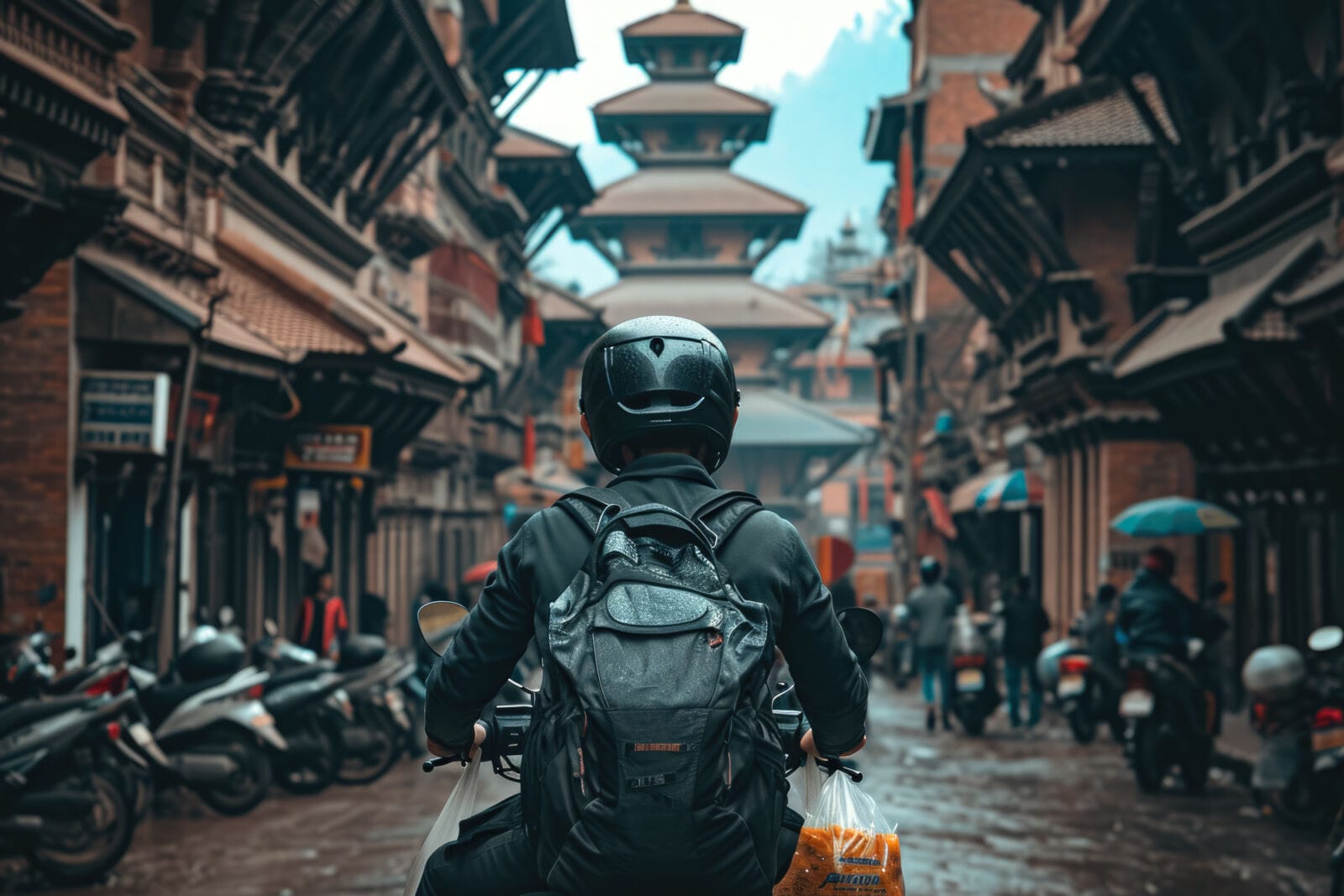
Your fleet needs protection that matches its workload. A comprehensive bike insurance policy is built to handle the real risks your riders face every day. A basic third-party bike insurance plan keeps you legal, but it won’t repair your bikes or cover theft. In this guide, you’ll see where third-party bike insurance falls short, which add-on covers return the most value (including zero depreciation), and how to run a clean, fast claim process.
Why Third-Party Alone Does Not Work
Third party bike insurance covers your legal responsibility to other people. It pays for injury, death, or damage to someone else’s property. It does not pay to fix your own bikes. It does not pay if a bike is stolen. It does not cover floods, fire, or vandalism. For a fleet, these gaps create frequent out-of-pocket costs and extra downtime. A comprehensive bike insurance policy solves this by including third-party cover and adding protection for your own vehicles.
LOCAL NEWS: Walmart pays record $152 million for Luke Field building
INDUSTRY INSIGHTS: Want more news like this? Get our free newsletter here
What Comprehensive Cover Includes
Comprehensive cover protects your bikes against common city risks and seasonal risks. It helps when accidents damage the vehicle. It covers theft and burglary. It includes fire and explosion. It responds to natural events such as floods and storms. It can also cover man-made events like riots or vandalism. Some plans also allow a personal accident cover for riders. This set of protections turns many surprise repair bills into a planned expense.
Set the Right Insured Value
Choose an insured value that reflects a fair replacement cost for each bike. If a vehicle is stolen or declared a total loss, this value guides the payout. It helps you replace the bike without stopping routes for long.
Add-on Covers That Help Fleets Save Time and Money
Add-on covers work only with comprehensive or own-damage plans. They do not attach to third-party-only plans. Pick a small bundle that matches your routes, weather, and incident pattern.
Zero Depreciation Policy
Depreciation reduces claim payouts for parts like plastics and fiber panels. A zero depreciation policy removes that deduction during an approved claim. The result is a higher payout for parts, which keeps repair invoices predictable for high-usage bikes.
Engine Protection
Water logging during monsoon can damage engines and gearboxes. Engine protection covers issues from water entering the engine or oil leakage after an incident. This add-on is useful for cities with heavy rain and underpasses that often flood.
Roadside Assistance
Breakdowns and minor mishaps waste time on route. Roadside assistance adds towing, jump starts, and on-spot help. It supports rider safety and helps you move the bike quickly to a network garage.
Consumables Cover
Small items add up across a fleet. Consumables cover pays for items such as nuts, bolts, lubricants, and coolants during an approved repair. This reduces surprise costs after minor crashes.
No Claim Bonus Protection
A clean year builds a renewal discount. No Claim Bonus protection helps you retain that discount even after a limited claim. It rewards careful riding and good maintenance across your fleet.
A Simple Claim Process for Faster Turnaround
Your goal is to return each bike to service quickly. Set up a clear claim process that riders and depot staff can follow.
How to file a claim
- Inform the insurer through the app or website and save the reference number.
- Move the bike to a network garage. Use roadside assistance if needed.
- Keep documents ready. You will need the claim form, driving licence, registration certificate, and the policy. File a police report if required.
- Cooperate with inspection when asked.
- Approve the estimate, track the repair, and collect the bike after final checks.
Cost Control Without Cutting Protection
You can keep premiums sensible without weakening cover.
● Choose deductibles that fit your typical repair size. Too high can discourage timely reporting.
● Maintain bikes on schedule. Tyres, brakes, and lights reduce incidents.
● Plan routes to avoid flood-prone stretches during heavy rain.
● Train riders on safe braking and lane discipline. Fewer incidents help you keep renewal discounts.
● Review add-ons once a year. Keep zero depreciation for newer bikes that need panel work. Use engine protection for monsoon zones. Add roadside assistance for long shifts or late-night routes.
Conclusion
Third-party bike insurance meets the legal rule but leaves your own bikes and cash flow exposed. A comprehensive plan, supported by the right add-on covers and a clear claim process, fits daily fleet use. It keeps repairs predictable, reduces downtime, and helps riders stay on the road. If you share your city mix, fleet size, and common incidents, this guide can be adapted into a tailored checklist for your team.