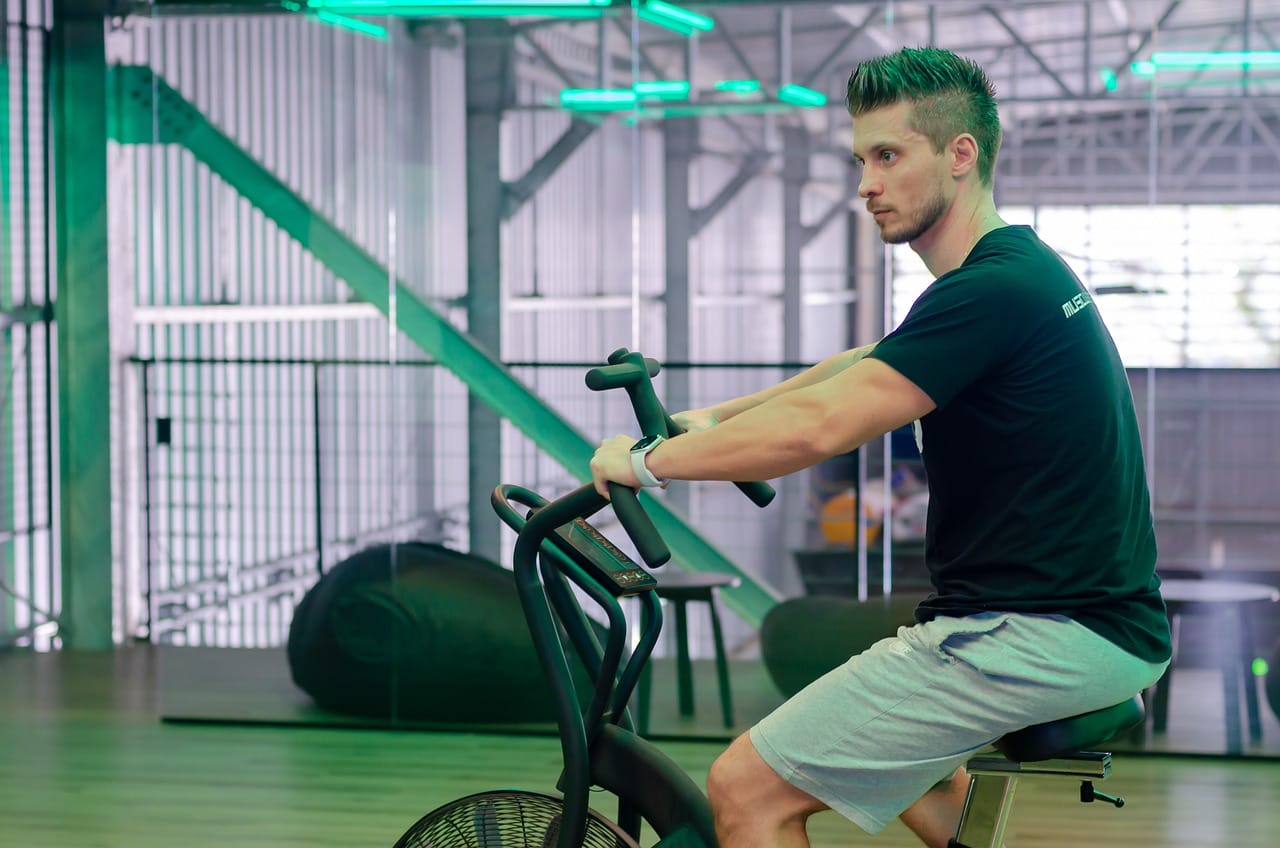
If you’re thinking about bringing an exercise bike into your home gym, you’re not alone. Indoor cycling has become one of Australia’s favourite ways to stay fit without leaving the house. But with so many models, features, and price points on the market, choosing the right bike can feel a bit overwhelming. To help you make a confident purchase, here are 10 essential things to know before buying an exercise bike.
Decide Which Type of Exercise Bike Suits You
There are three main types of exercise bikes: upright, recumbent, and spin bikes. Upright bikes mimic traditional bicycles and are great for general fitness. Recumbent bikes offer back support and a reclined position, making them ideal for people with mobility concerns. Spin bikes are best for high-intensity training and provide a more realistic road-cycling feel. Choosing the type that aligns with your fitness goals is the first step.
Check the Resistance System
Resistance controls the intensity of your workout. Most bikes use either magnetic resistance or felt-pad friction resistance. Magnetic systems are quieter, smoother, and require less maintenance, while friction resistance tends to be louder but is usually found on more affordable spin bikes. For long-term durability, magnetic resistance is worth considering.
Comfort Is Non-Negotiable
If you’re not comfortable, you won’t use the bike—simple as that. Look for adjustable seat height, horizontal seat movement, padded seating, and adjustable handlebars. Riders of different heights, especially in shared households, will benefit from a well-fitted bike that prevents strain on the lower back and knees.
LOCAL NEWS: Walmart pays record $152 million for Luke Field building
INDUSTRY INSIGHTS: Want more news like this? Get our free newsletter here
Flywheel Weight Matters
A heavier flywheel generally provides a smoother, more stable ride. Spin bikes often feature heavier flywheels to mimic outdoor cycling momentum. If you’re aiming for high-intensity training, prioritise a heavier flywheel. For casual workouts, a mid-range flywheel is perfectly fine.
Consider the Console and Tech Features
Exercise bikes vary widely in their built-in tech. Some come with basic LCD screens, while others offer app connectivity, virtual riding programs, Bluetooth heart-rate monitoring, or built-in speakers. While these features aren’t essential, they can make workouts more engaging and help you track progress over time.
Measure Your Space Before Buying
Exercise bikes range in size, and some can be surprisingly bulky. Measure the area you plan to place your bike and check the product dimensions before purchasing. Don’t forget to leave space for safe mounting and dismounting. If storage is a concern, look for foldable or more compact models.
Think About Noise Levels
If you live in an apartment, work out early in the morning, or plan to use the bike near shared living spaces, noise becomes a key factor. Magnetic-resistance bikes are generally the quietest, making them ideal for households where noise needs to be kept to a minimum.
Build Quality and Weight Capacity
A sturdier frame not only lasts longer but also provides a safer and more comfortable ride. Check the maximum user weight, materials used, and customer reviews regarding durability. Heavier bikes usually feel more stable, especially during high-intensity pedalling.
Maintenance Requirements
All machines require some level of maintenance, but some bikes require more than others. Magnetic-resistance bikes typically need the least upkeep. Spin bikes with friction pads may require occasional pad replacement or lubrication. Make sure you understand the maintenance expectations before committing.
Set a Realistic Budget
Exercise bikes come in a wide price range—from budget-friendly basics to premium models with advanced technology. Determine your budget early, but remember: you often get what you pay for. If you plan to use the bike regularly, investing in better build quality and comfort usually pays off in the long run.
Final Thoughts
Buying an exercise bike is a great step towards improving fitness at home, but taking the time to research your options will help ensure you choose the right one. By considering comfort, resistance type, tech features, build quality, and your personal fitness goals, you’ll be well on your way to finding a bike that keeps you motivated for years to come.