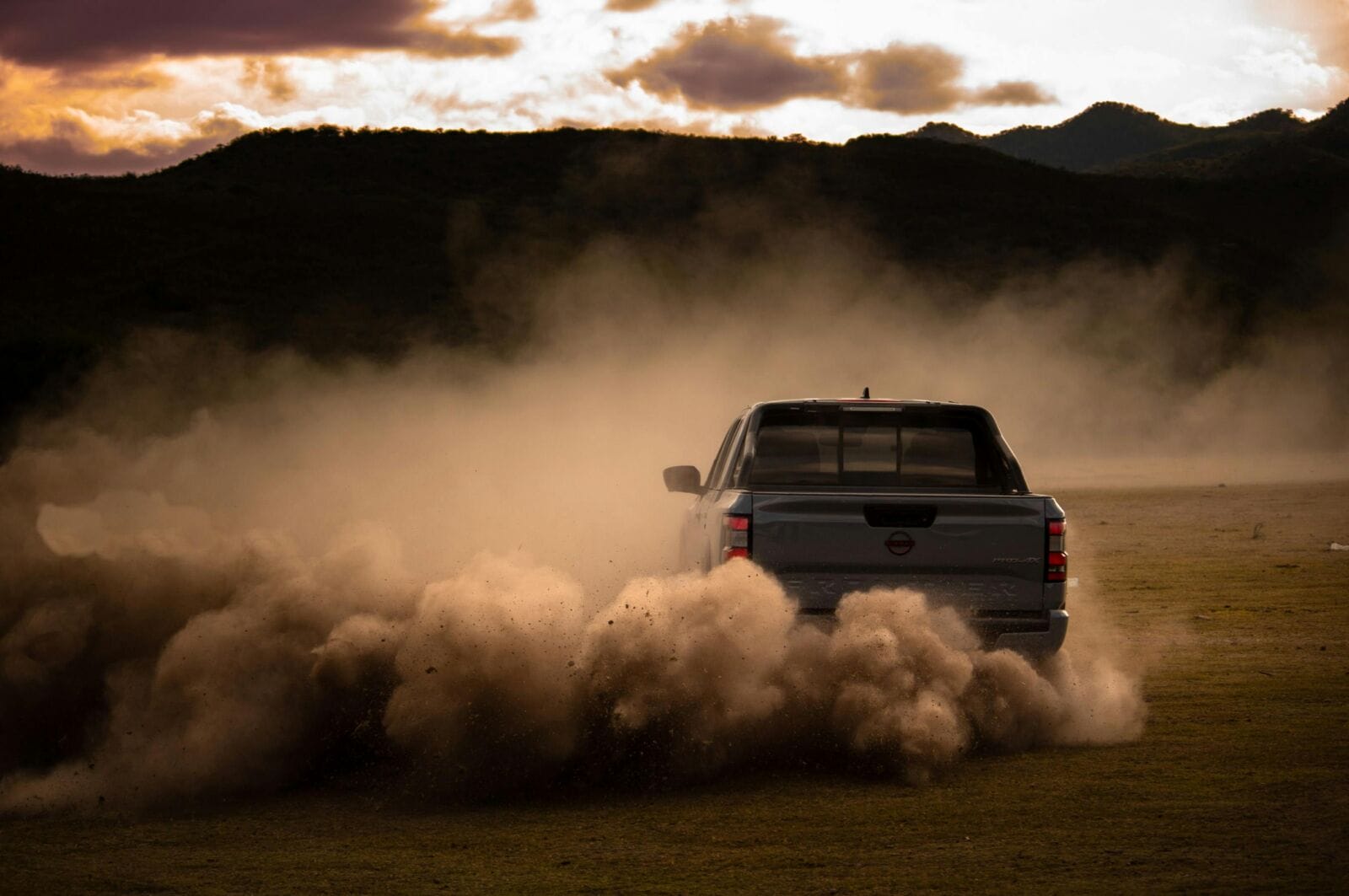
When you own a diesel vehicle in Arizona, it doesn’t take long to realize it’s a bit of a different game than driving one in, say, Wisconsin. Between the intense summer heat, endless dust, dry air, and long stretches of highway, Arizona’s got a unique way of challenging even the toughest engines. Diesel trucks may have that sturdy reputation, but they still need some extra TLC to thrive in the desert. A little effort now can mean a much longer lifespan for your ride—and far fewer headaches down the road.
MORE NEWS: Rediscover Tempe with your best summer staycation yet
Arizona Heat and Diesel Engines Don’t Always Get Along
Let’s start with the elephant in the parking lot: the heat. Arizona doesn’t just get hot. It gets “walk-outside-and-feel-like-you’re-in-an-oven” hot. Diesel engines run hotter than gas ones even under normal conditions, and when you add in triple-digit temps, that engine is working overtime just to stay cool. If your cooling system is even slightly off, your vehicle could be one traffic jam away from overheating.
That’s why you want to stay on top of your radiator’s health. Make sure the coolant levels are good, and check that the fluid itself looks clean and the right color—not brown, not sludgy. The last thing you want in the middle of a 112-degree day is to be stranded on the side of Loop 202 while your engine steams like a tea kettle. If you’re towing or hauling anything heavy in that heat, the risks go up even more. You need a system that can keep its cool—literally.
Desert Dust Isn’t Just Annoying—It’s a Diesel Killer
If you’ve lived in Arizona for even one full monsoon season, you know what dust can do. It’s not just a mild nuisance that settles on your dashboard—it’s invasive. Dust gets everywhere, especially when you’re driving a diesel vehicle out on unpaved roads or during one of those infamous haboobs that roll through town like a gritty wall of chaos.
Air filters play the unsung hero in all of this. When they’re doing their job, they trap all that dust before it can sneak into the engine. But once they’re clogged, your engine is basically trying to breathe through a pillow. That leads to worse fuel economy, sluggish acceleration, and eventually, engine wear that’ll have you calling for a tow—or auto repair in Phoenix, which is thankfully a lifesaver when things go sideways.
You want to inspect and change your air filters regularly, not just when your dashboard light tells you something’s wrong. If you’ve been through a few dust storms or taken a weekend drive out toward the mountains, it’s worth popping the hood for a quick check. Preventing dust from getting into your system is one of those simple things that can save you from some wildly expensive issues down the line.
Diesel Fuel and Water Don’t Mix—And Arizona Can Still Be Sneaky About It
It’s easy to assume that living in the desert means you don’t have to worry about water contamination, especially in your fuel. But temperature swings—those chilly desert mornings followed by blazing afternoons—can lead to condensation forming inside your fuel tank. And where there’s condensation, there’s the risk of water mixing into your diesel.
Why does that matter? Because water in your fuel lines is basically a disaster waiting to happen. It can lead to microbial growth (yes, like bacteria), corrosion, and all kinds of engine drama. Even worse, it can clog up your injectors and leave you dealing with issues that aren’t always easy to diagnose. Your diesel might seem like it’s just having an off day—until it refuses to start one morning, or stalls out in traffic. Which, by the way, is one of the common types of car accidents you really don’t want to be part of.
If your diesel has a water separator, use it. Drain it regularly. If it doesn’t, talk to a local mechanic about installing one. It’s one of those extra steps that makes a world of difference, especially in dry places where people don’t always think water is a threat.
Long Drives and Towing in Arizona: Stress Tests for Diesels
Arizona roads have a certain appeal. You can drive for hours with the windows down (well, maybe not in August) and soak in that desert scenery. But for diesel vehicles, those long open roads are a test of endurance. Add in towing a trailer or hauling construction gear, and it’s more than a test—it’s a full-body workout for your vehicle.
Diesels are built for this kind of heavy lifting, sure, but they need the right support to keep it up. That means checking your transmission fluid regularly and not ignoring any signs of slippage or odd shifts. Heat is a transmission killer, especially when your vehicle is working hard. It’s not just about the engine here—your transmission is under pressure too, and it can start to act up faster than you’d expect.
Tires also take a beating in the Arizona climate. Between scorching asphalt and heavy loads, blowouts aren’t uncommon, especially in summer. Check the tread, rotate regularly, and keep those tires inflated to the right pressure. Don’t play the game of “they look fine”—you’ll regret it when your sidewall gives out at 75 mph on I-10.
Routine Maintenance Is Your Diesel’s Desert Survival Plan
We get it—no one wants to spend their Saturday waiting at a shop, and no one likes dropping a few hundred bucks just because a dashboard light blinked once. But when you own a diesel vehicle in Arizona, regular maintenance isn’t just recommended. It’s your long-term strategy.
Oil changes matter. So do fuel filter swaps. Diesel engines are more sensitive to buildup, grime, and bad fuel than people realize. Skipping a simple oil change here and there may not seem like a big deal—until it suddenly becomes a $4,000 deal. And don’t trust your gut on “it sounds fine” either. Arizona’s conditions don’t always give you loud warning signs. Sometimes the damage builds silently, hiding behind that smooth engine sound until it’s too late.
Find a mechanic who actually knows diesel engines. That part matters. You want someone who doesn’t just work on gas sedans all day and guesses their way around your truck. You want someone who’s seen what 120 degrees does to an EGR valve and knows how to stop it from going sideways.
Wrapping It Up Before Your Diesel Starts Acting Up
Driving a diesel in Arizona isn’t some epic survival challenge, but it does take a little more know-how than folks might think. That engine under your hood is built to be tough—but the desert’s tougher. Treat your vehicle like the investment it is, and it’ll return the favor by powering through every summer, every road trip, and every haul without giving you grief. Give it the attention it deserves, and it’ll be the truck that never lets you down—especially when the mercury’s rising.