
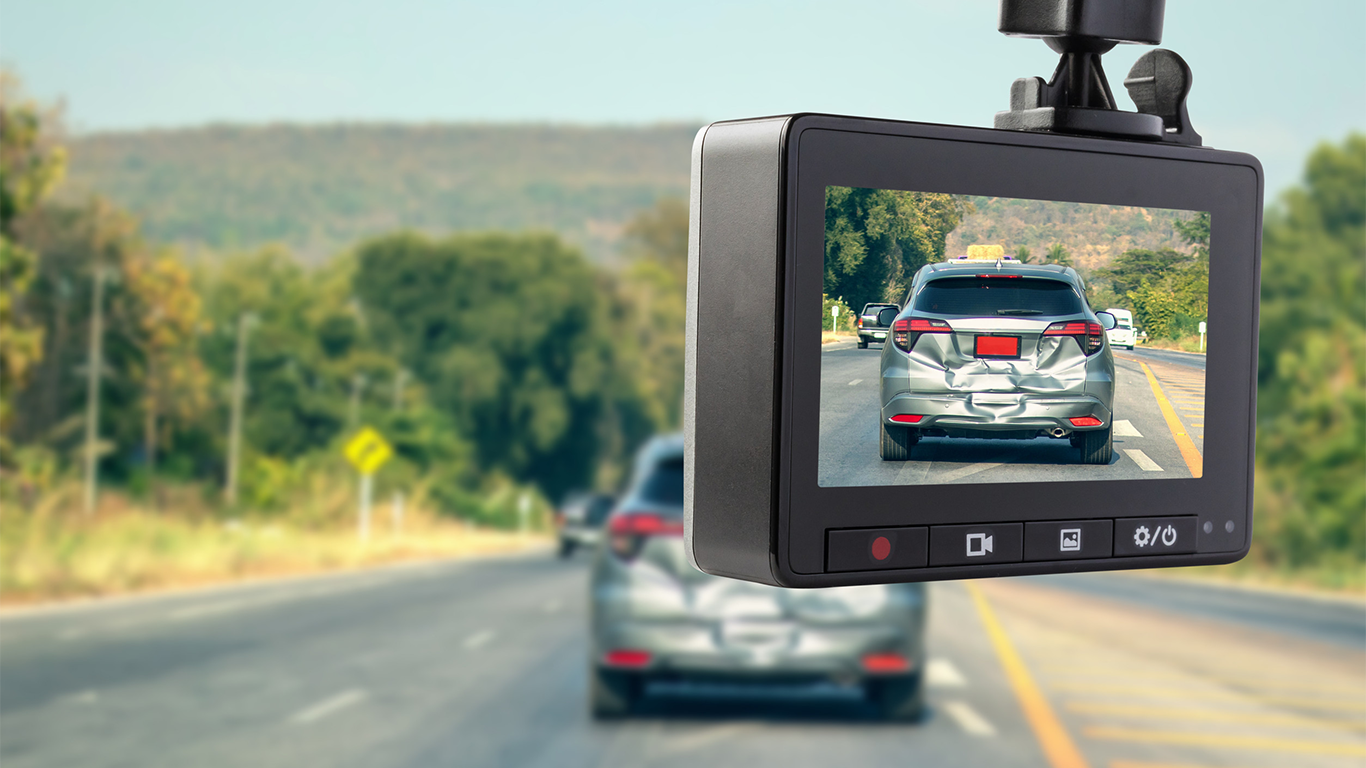
Your parked car faces risks every day, from hit-and-runs to theft or vandalism. Protecting it can feel like a challenge, but that’s where dash cams with motion detection come in. These smart devices don’t just record while you’re driving—they keep an eye on your car even when you’re not around.
In this article, you’ll learn how dash cams with motion detection work to safeguard your vehicle. We’ll break down their key features, explain why they’re a must-have for car owners, and show you how they can provide peace of mind. Whether you’re parked at home or in a busy lot, these tools offer a reliable way to protect what matters most.
LOCAL NEWS: 100 best places to work and live in Arizona for 2025
Understanding Motion Detection in Dash Cams
Motion detection in dash cams works by identifying moving objects near your parked vehicle. This technology uses sensors, often infrared or video-based, to recognize changes between frames captured by the camera.
When motion is detected, the dash cam activates and begins recording. Unlike continuous recording, this feature saves storage space by only capturing footage when activity is present. The sensitivity of motion detection can often be adjusted to avoid unnecessary triggers, like movements from small animals or weather elements.
A dash cam for cars pairs motion detection with parking mode, allowing the device to remain on standby when the car is off. In this mode, the camera only activates upon detecting significant motion or impacts.
Positioning the dash cam properly ensures it effectively monitors the intended area. For example, aligning it to cover entry points or blind spots around the car improves detection accuracy.
Benefits of Using Dash Cams with Motion Detection
Motion detection in dash cams helps safeguard parked cars in various circumstances by monitoring activity and recording when necessary.
Enhanced Vehicle Security
Motion detection ensures the dash cam activates upon detecting movement. It allows continuous monitoring of surroundings without draining the battery while your car is parked. Sensors such as G-sensors or accelerometers detect activity, including vibrations or sudden impacts, enhancing surveillance accuracy. When paired with parking mode, the system records movement near doors, windows, or entry points while staying inactive otherwise.
Evidence in Case of Vandalism or Accidents
Dash cams capture live footage when motion occurs, preserving incidents like vandalism or collisions. This footage can verify damage origins and identify perpetrators when dealing with hit-and-runs or deliberate harm. Law enforcement and insurance providers often rely on such recordings during investigations. For instance, if a parked vehicle gets damaged by another car, the dash cam may provide clear evidence, including license plates and event sequences.
Peace of Mind for Car Owners
Leaving your car unattended in unfamiliar or high-risk areas can be stressful. A dash cam monitors continuous activity near your vehicle, offering reassurance. Monitoring features are particularly helpful for luxury cars or vehicles with valuable external modifications. Knowing incidents are recorded can alleviate concerns about unauthorized access or surroundings while parked.
Key Features to Look for in a Dash Cam
Dash cams with well-rounded features improve their effectiveness in protecting your vehicle, especially when parked. Pay attention to specific attributes for the best surveillance performance.
Motion Detection Sensitivity
Adjustable motion detection sensitivity ensures the camera reacts appropriately to movement near your car. High sensitivity captures subtle motions, such as someone walking close, while lower settings help avoid false triggers in crowded spaces. Set the level based on your parking environment to minimize unnecessary recordings and save storage. For example, higher sensitivity works best in calm areas while busier locations benefit from reduced levels.
Night Vision Capability
Night vision functionality enhances visibility in low-light conditions, critical when monitoring a vehicle overnight. Infrared LEDs or advanced image sensors optimize footage clarity, helping capture details like faces or license plates in darkness. Without effective night vision, footage might become grainy or unusable in poorly lit areas. This feature ensures reliable security regardless of lighting conditions.
Storage and Video Quality
Choose storage capacity that fits your usage, such as 64 GB for moderate recording or up to 256 GB for longer periods. High video resolution, like 1080p or 4K, guarantees clearer incident footage, aiding identification of small details. Loop recording helps manage space by overwriting older videos first, ensuring the camera always captures new events. High-quality video paired with ample storage captures and preserves critical evidence effectively.
How Dash Cams Detect and Record Motion
Dash cams with motion detection actively monitor and capture activity around your parked vehicle using advanced sensors and algorithms. These systems record only when movement is detected, preserving storage space and maximizing utility.
Role of Sensors and Algorithms
Sensors and algorithms work together to improve detection accuracy. G-sensors notice impacts or sudden shifts by measuring changes in acceleration. These sensors trigger recordings during significant events like collisions.
Algorithms, including those powered by AI, distinguish between useful movements, such as people or vehicles, and irrelevant ones like small animals. This filtering reduces unnecessary recordings and ensures relevant data is captured.
Steps for Accurate Detection
Install the dash cam at an optimal position to cover critical areas like entry points. Adjust sensitivity settings based on the environment to avoid excessive false triggers. For vehicles regularly parked in high-risk zones, consider motion detection technology suited to challenging conditions like low light or severe weather.
Choose between visual-based systems, ideal for general use, and radar-based detection, which is better in low visibility but may come at a higher cost. Tailoring your approach enhances detection reliability.
Power Usage While Parked
Motion detection relies on continuous power to remain active. Hardwiring connects the camera to your car’s electrical system, preventing battery drain during extended use. Low-power modes further reduce energy consumption by engaging the camera only when unusual motion or impacts occur.
External battery packs or parking-specific accessories can be added to minimize strain on your vehicle’s power. Managing energy use ensures uninterrupted operation without compromising your car battery’s lifespan.
Popular Dash Cams With Motion Detection
Dash cams with motion detection can fit various budgets and requirements. From more affordable solutions to advanced options, they offer different features for parked car security.
Budget-Friendly Options
Affordable dash cams often include standard motion detection capabilities. These devices typically record in resolutions like 1080p and rely on basic sensors to identify movement. They store captured footage using loop recording to manage space efficiently. Many budget models prioritize essential functions, such as video monitoring, without additional features like AI filtering or radar systems.
Low-cost options may also focus on compact designs, making them easier to install and position. While they might lack advanced technologies, they still provide sufficient protection for most scenarios.
High-End Models for Maximum Security
Premium dash cams often incorporate advanced functionalities, such as dual-camera systems for front and rear views. They may use features like radar technology to detect motion reliably, even in challenging weather or lighting conditions. 4K video recording is common, ensuring high-quality footage. Insta360 has advanced models, when set up in dash cam mode, can deliver ultra-clear visuals, intelligent motion detection, and wide coverage ideal for security-focused users.
Some advanced models rely on intelligent systems, such as AI-based detection, for filtering minor movements. They also support external storage options for increased recording capacity and parking modes optimized for battery conservation. These systems are typically designed for users prioritizing comprehensive vehicle surveillance.
Tips for Installing and Using Dash Cams Effectively
Installing and using a dash cam correctly improves its performance and ensures better security for your parked car. Proper setup and regular maintenance keep the device working efficiently.
Proper Placement for Maximum Coverage
Position your dash cam centrally on the windshield for a clear, unobstructed view of the front. For broader protection, include a rear camera to monitor the back. Aim the lenses slightly downward to reduce glare from sunlight or headlights. Cover key areas like entrances and blind spots, ensuring no event goes unnoticed.
Maintenance and Software Updates
Update firmware periodically to access the latest features and fixes. Most manufacturers offer updates through downloadable software or online tools. Clean the lenses frequently to prevent dirt from affecting video clarity. Use soft, non-abrasive materials for cleaning to maintain optimal image quality. Regular checks help resolve potential performance issues before they escalate.
Conclusion
Investing in a dash cam with motion detection is a smart move to safeguard your parked car. These devices offer advanced features that not only enhance security but also provide valuable evidence when incidents occur. By choosing a model with the right capabilities and installing it correctly, you can ensure reliable monitoring and peace of mind.
Whether you’re parked at home or in a busy area, a dash cam acts as your silent guardian, keeping your vehicle protected around the clock. Take the time to select a quality device that suits your needs, and you’ll be better prepared for any unexpected situations.