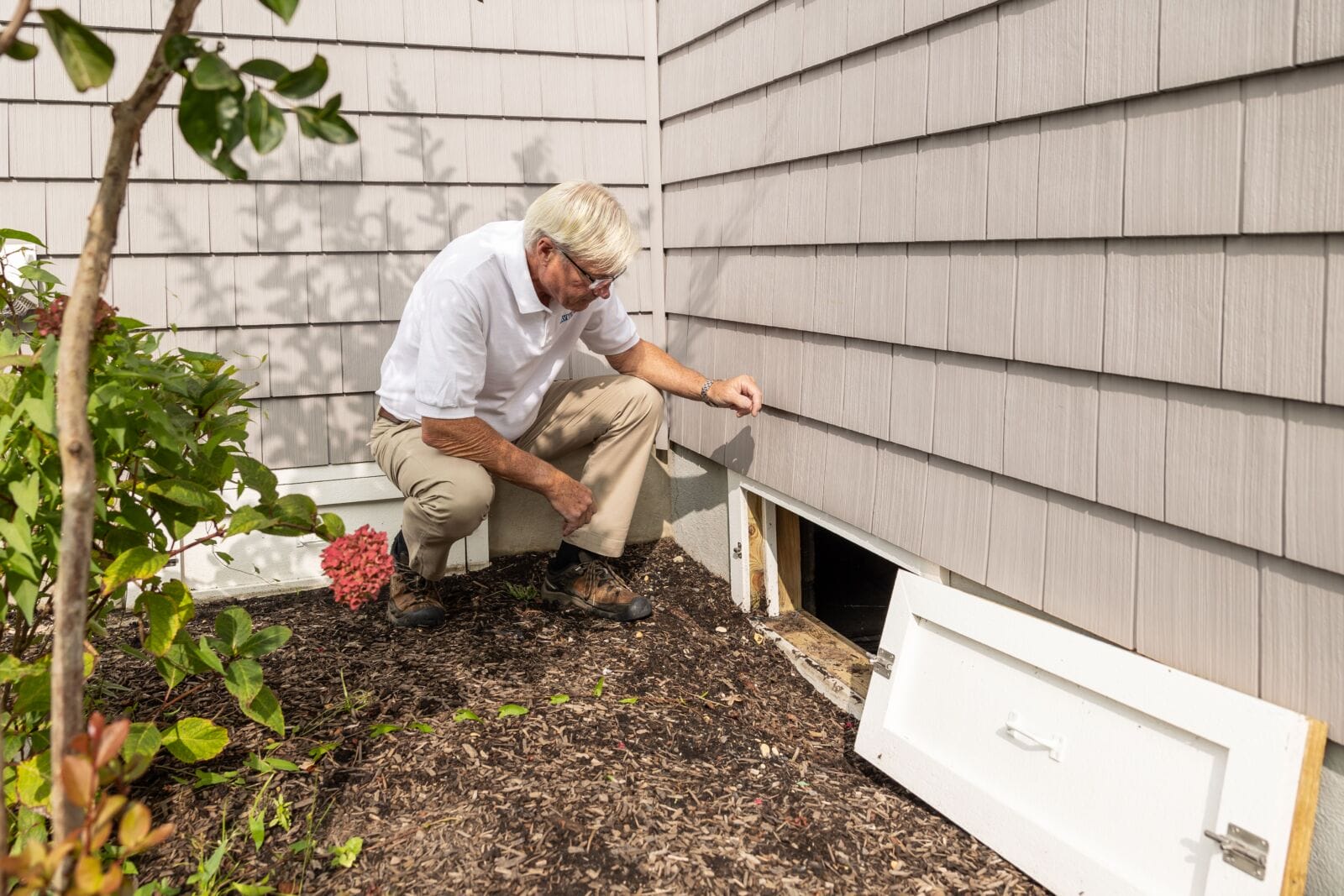
A roof is easy to overlook when it is doing its job, but local weather can quietly accelerate wear. In Bethel Park, Pennsylvania, roofs regularly face rain, snow, wind, and seasonal temperature changes that can put extra stress on shingles, flashing, and drainage systems. Nearby long-term climate normals show annual precipitation totals of more than 30 inches, highlighting how consistently moisture can affect exterior building materials over time. Recognizing early signs of trouble gives homeowners a chance to address manageable issues before they become larger repairs involving insulation, ceilings, walls, or structural materials.
Small Changes Can Signal Bigger Problems
Roof damage does not always begin with an obvious leak. Early signs can be surprisingly subtle.
Shingles may begin curling at the edges, cracking, losing granules, or sitting unevenly. Flashing around vents and other roof penetrations can loosen, while gutters may begin collecting more roofing granules than usual.
Indoors, warning signs can include ceiling discoloration, damp insulation, musty odors, peeling paint, or unexplained moisture in the attic.
One small defect does not necessarily indicate a major problem. The important question is whether the damage is isolated or part of a developing pattern. Several areas showing similar deterioration deserve more attention than one damaged shingle.
Know When Professional Attention Makes Sense
Some roofing problems can be straightforward, while others require a closer assessment to determine what is happening beneath the surface.
If you notice repeated leaks, widespread shingle deterioration, sagging, damaged flashing, or problems returning after previous repairs, professional inspection can provide a clearer picture.
Homeowners looking for a Bethel Park roofing company can have a professional assess visible damage as well as areas that may be difficult to evaluate safely from the ground. A thorough inspection can help determine whether a localized repair is appropriate or whether deterioration has spread to multiple parts of the roofing system.
Ask for the findings to be explained clearly. Photos can help you understand where damage exists and why a particular repair is being proposed.
Storm Damage Deserves a Closer Look
Severe weather can affect a roof without leaving dramatic evidence behind.
Strong wind may loosen shingles without completely removing them. Impacts can damage protective surfaces, and flashing may shift enough to create a small opening for moisture. The roof might still appear normal from the ground even though its ability to keep water out has been compromised.
If severe weather has recently passed through the area, checking for roof shingle damage can help homeowners understand common warning signs such as missing, curled, or cracked shingles.
A ground-level visual inspection is a sensible starting point. Look for fallen roofing material, damaged gutters, debris, or visibly uneven sections. Avoid climbing onto a wet, steep, or potentially damaged roof simply to investigate.
Age Tells Part of the Story
A roof does not have to leak before age becomes relevant.
Roofing materials gradually lose their ability to withstand exposure to sunlight, moisture, wind, and temperature changes. Older shingles can become brittle, adhesives may weaken, and protective granules can disappear.
Forbes identifies warning signs such as missing shingles, curling or cracking, granules accumulating in gutters, sagging, and water damage as reasons a roof may need closer attention.
Still, age should be considered alongside condition. A well-maintained roof may remain serviceable longer than one affected by poor installation, ventilation issues, or repeated weather damage.
Knowing approximately when the roof was installed and keeping records of previous repairs can make future decisions considerably easier.
Maintenance Can Buy Valuable Time
Preventive maintenance is rarely exciting, but it can help reduce the chance of avoidable damage.
Gutters and downspouts should remain clear enough to move water away efficiently. Debris sitting on roofing surfaces should be addressed, while branches hanging over the roof may need trimming to reduce impact and buildup.
The attic deserves attention as well. Water stains, damp insulation, excessive condensation, or daylight appearing through unexpected gaps can signal problems that are not obvious outside.
Keeping photographs, inspection reports, warranties, and repair invoices together also creates a useful history of the roof. If problems begin occurring more frequently, those records can help reveal whether individual repairs are becoming part of a larger pattern.
A Leak Should Never Become Background Noise
A small ceiling stain can be tempting to ignore, particularly if it appears only during unusually heavy rain. But water intrusion can spread beyond the place where it first becomes visible.
Water may travel along decking, rafters, or other building materials before reaching the ceiling. That means the visible stain is not always directly beneath the original entry point.
Understanding what to do when a roof is leaking can help prevent a relatively contained problem from developing into more extensive interior damage. Promptly identifying the source and addressing damaged materials is particularly important when moisture has already entered the home.
Repeated leaks deserve even more attention because they may indicate that previous repairs addressed symptoms rather than the underlying cause.
Repair and Replacement Solve Different Problems
Not every damaged roof needs replacement.
A relatively young roof with one damaged section may only require a targeted repair. Missing shingles, minor flashing defects, or a localized leak can sometimes be corrected without disturbing the rest of the system.
Replacement becomes a more relevant consideration when deterioration is widespread, leaks repeatedly appear in different areas, structural materials have been affected, or the roof is approaching the end of its practical service life.
The cheapest immediate solution is not necessarily the least expensive over several years. Repeated repairs can add up, especially when each one addresses another part of an aging system.
Comparing the likely remaining lifespan of the roof with expected repair costs can provide a more useful perspective than looking only at today’s invoice.
Pay Attention Before the Roof Demands It
Roof problems tend to become more expensive when they are given time to spread.
The practical approach is not to worry about every imperfect shingle. It is to notice changes, investigate recurring problems, maintain drainage and ventilation, and seek professional assessment when the condition is unclear.
A roof that receives timely attention has a better chance of protecting everything beneath it without turning minor deterioration into a major home project.
Catching trouble before the first serious leak is rarely dramatic. That is precisely the point. The best roofing problem is often the one addressed before it ever gets the opportunity to become an emergency.