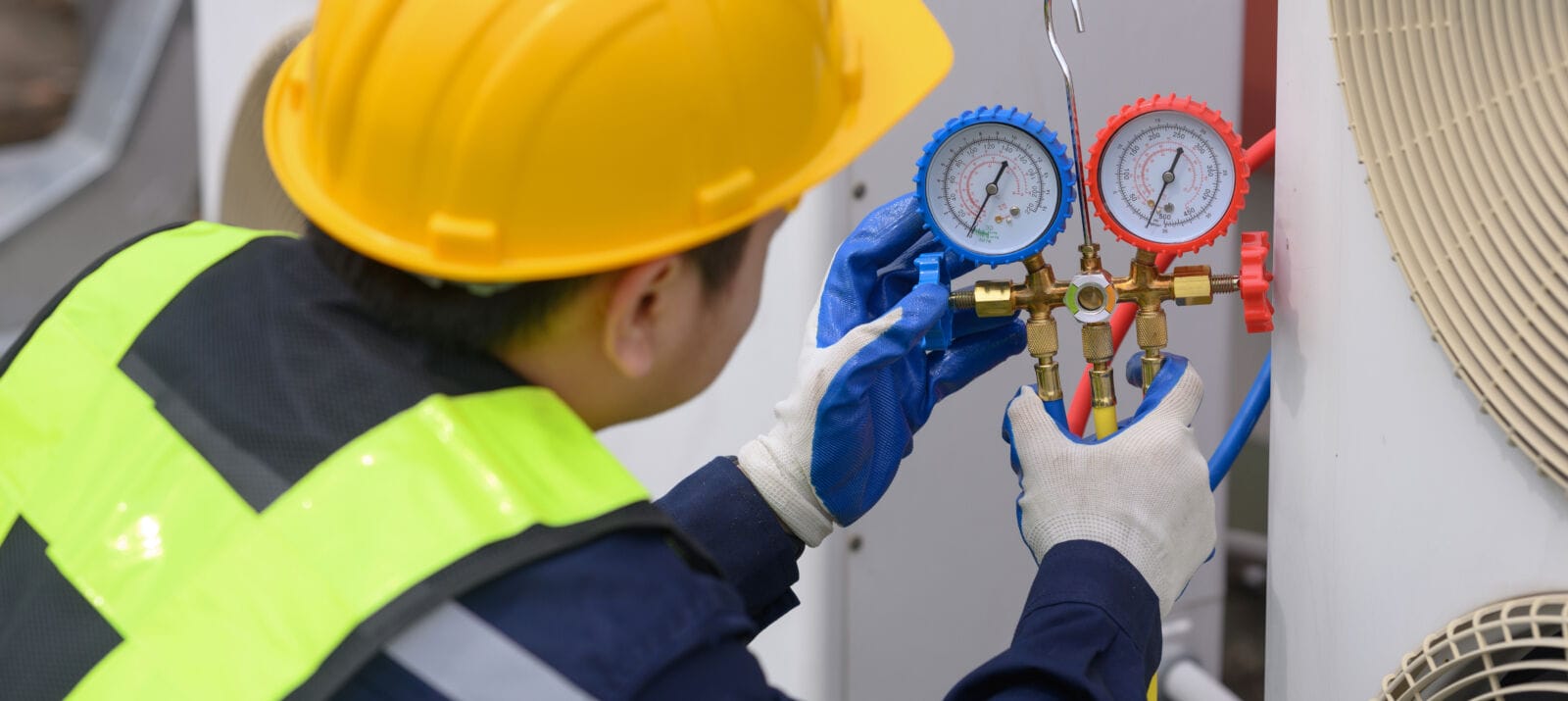
Cooling systems tend to fail in stages rather than all at once. A homeowner often reports that the unit still runs and still holds the thermostat setting, yet the space never feels as comfortable as it once did and the power bill keeps climbing. Those quiet declines are exactly the ones that go unnoticed, which is why Total Comfort Cooling & Heating air conditioner repair frequently begins with a full set of pressure and temperature readings rather than a single obvious symptom. The issues below are the ones technicians uncover most often once the measurements are in hand.
Humidity That Rises While the Temperature Holds
A system in good condition removes moisture as it cools. When indoor humidity drifts high while the thermostat still reads its setpoint, the equipment is cooling faster than it is dehumidifying. Oversized units and excessive fan speed both produce this pattern. The home feels damp at a temperature that should feel pleasant, and the occupants respond by lowering the setting further, which raises consumption without touching the real cause.
Short Cycling That Looks Like Efficiency
Frequent starting and stopping can appear efficient, since the system seems to satisfy demand in a hurry. In reality each startup draws the heaviest electrical load of the cycle, and repeated starts wear contactors, capacitors, and compressor windings far faster than steady running. A thermostat placed near a heat source or a refrigerant charge outside specification can both be responsible, and a technician confirms the fault by comparing cycle length against the design conditions.
Refrigerant Slipping Away Through Small Leaks
Refrigerant is not used up during normal operation, so any drop means the sealed circuit has lost containment somewhere. Pinhole leaks at brazed joints and corroded coil sections release charge slowly enough that performance fades by degrees instead of failing outright. Capacity falls, cycles lengthen, and the compressor works outside the range it was built for. Sealing the leak matters far more than adding refrigerant, because a recharged system with an open leak simply loses it again.
Air Quality Problems Traced Back to the Equipment
A musty smell at startup usually points to organic growth on a damp evaporator surface rather than anything in the room. Dust that resettles soon after cleaning suggests media bypass or a compromised cabinet seal. Many complaints that seem to concern the air itself lead straight back to conditions inside the system, and Indoor Air Quality services by Total Comfort Cooling & Heating address that contamination at its source rather than masking the result with fragrance or a portable purifier.
DEEPER DIVE: Here are Arizona’s Most Admired Companies of 2026
Electrical Parts Nearing the End of Their Life
Capacitors weaken well before they fail, and a unit running on a degraded one pulls higher current while producing less output. Contactors develop pitted surfaces that arc under load, and wiring connections loosen over years of thermal expansion. None of these conditions halts the system right away, yet each raises operating cost and pushes the equipment toward a breakdown on the hottest afternoon of the year. Electrical testing during a service visit catches them while replacement is still inexpensive.
Condensate Drainage That Backs Up Unseen
A cooling system produces gallons of water on a humid day, and all of it depends on a clear drain path. Algae and sediment create partial blockages that still allow some flow while leaving standing water in the pan. Overflow switches then interrupt operation at random, producing complaints that seem unrelated to drainage. Flushing the line, treating the pan, and confirming the slope prevents both the interruptions and the ceiling damage that follows a complete blockage.
Conclusion
The faults that cost the most are rarely the ones that stop a system cold. Rising humidity, shortened cycles, a slipping charge, tired electrical parts, internal contamination, and restricted drainage all let a unit keep running while its efficiency and reliability quietly erode. Instrument readings reveal each of them long before a homeowner would notice, and correcting them at that stage costs a fraction of an emergency replacement. Scheduled professional inspection remains the only dependable way to find these conditions while they are still small and inexpensive to fix.