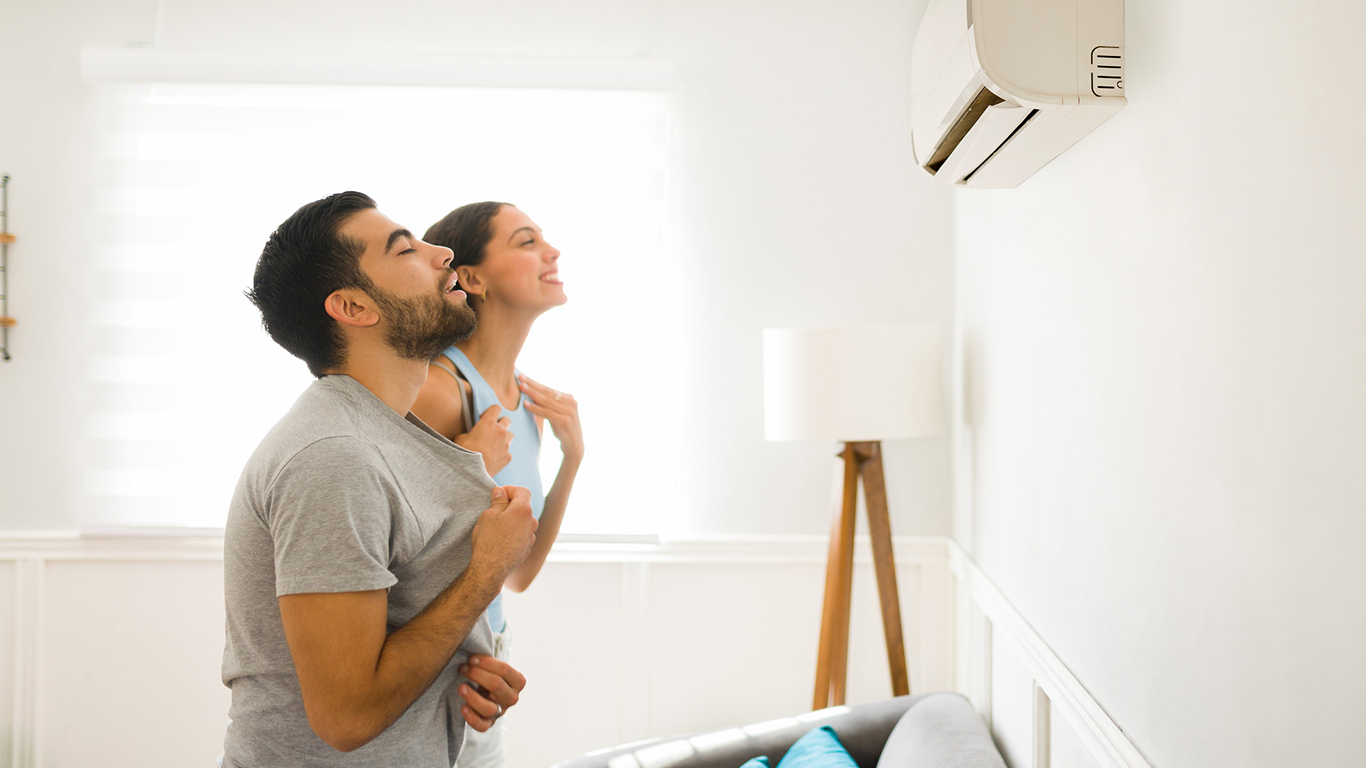
Air conditioning shapes modern living more than most people realize. While often viewed as a luxury, it influences health, productivity, and even the way buildings are designed. The right system balances temperature, humidity, and airflow, transforming indoor spaces into comfortable environments. By exploring the broader impact of air conditioning, we uncover why it plays a vital role in daily life and why businesses and homeowners alike should pay attention to its design and maintenance.

The History of Air Conditioning in Everyday Life
Air conditioning first appeared as an industrial solution in the early 20th century. Factories needed a way to control humidity and protect products like paper and textiles from damage. Over time, homes, offices, and retail spaces embraced the technology. It shifted from an industrial tool into a key feature of modern living.
This shift redefined architecture and urban development. Cities in warmer climates grew rapidly as reliable cooling made them livable for larger populations. High-rise buildings flourished because climate control allowed interior offices to function comfortably without dependence on open windows. The impact of air conditioning reshaped not just individual comfort but entire societies.
Comfort Beyond Temperature
When people think of comfort, temperature often comes first. Yet air conditioning systems do much more than lower the heat. They balance humidity, filter pollutants, and create airflow that prevents stagnant air. A poorly maintained system might cool a room but still leave occupants uncomfortable because of lingering dampness or poor air circulation.
Well-designed systems create environments where people breathe easier and feel more energized. Balanced humidity reduces risks of mold, while filters trap dust, pollen, and allergens. The result is a cleaner and healthier atmosphere that supports both physical comfort and long-term wellness.
The Role of Air Conditioning in Health
The connection between air conditioning and health cannot be ignored. A study by the National Institutes of Health found that proper cooling and humidity control reduce respiratory illnesses, particularly in vulnerable populations such as children and older adults. Clean, cool air minimizes risks tied to heat-related illnesses, which remain a major concern during hotter months.
Hospitals and healthcare facilities rely on strict climate control to protect patients. The systems reduce airborne contaminants, regulate temperatures for sensitive equipment, and keep environments sterile. In workplaces and homes, these health benefits extend to fewer sick days, better sleep, and reduced allergies.
Productivity and Workplace Performance
Comfortable working conditions directly affect productivity. Employees in cool, well-ventilated offices concentrate better and maintain energy throughout the day. On the other hand, hot and stuffy environments lead to fatigue, irritability, and declining performance. Employers who prioritize proper air conditioning indirectly boost efficiency and morale.
Retail environments tell a similar story. Customers linger longer and shop more in comfortable stores. Restaurants benefit when diners enjoy pleasant indoor climates. The role of air conditioning extends beyond personal convenience into economic performance, demonstrating its influence on both small businesses and large corporations.
Energy Efficiency and Sustainability
Modern systems focus heavily on energy efficiency. Traditional units consumed large amounts of electricity, creating high costs and environmental concerns. Newer designs use advanced compressors, variable-speed motors, and eco-friendly refrigerants that reduce energy consumption.
Businesses and homeowners now weigh sustainability when choosing systems. Energy-efficient models lower bills while reducing carbon footprints. Many buildings integrate smart thermostats and automated controls, optimizing cooling according to occupancy patterns. This not only saves money but also aligns with broader environmental goals.
The Importance of Regular Maintenance
Even the most advanced systems fail to deliver comfort if neglected. Dirt-clogged filters, leaking refrigerants, and worn parts reduce efficiency and compromise air quality. Routine inspections and professional service appointments prevent these issues.
Maintenance includes cleaning coils, checking ductwork, and ensuring that parts work in harmony. These tasks extend the life of the equipment and protect investments. Businesses and homeowners gain peace of mind knowing that their systems will perform reliably during extreme conditions. Many turn to trusted providers of air conditioning services to keep their systems functioning at peak efficiency. Professional guidance ensures that small problems receive prompt attention before they escalate into costly repairs.
Air Conditioning and Modern Architecture
Designers and architects incorporate air conditioning into their vision for buildings. Instead of depending on natural ventilation, they plan layouts that optimize mechanical cooling. Glass-heavy facades, open-concept offices, and tightly sealed skyscrapers thrive because systems manage internal climates effectively.
This integration redefines how spaces are used. Meeting rooms, auditoriums, and theaters maintain consistent comfort levels regardless of outside weather. Residential buildings gain flexibility in design, allowing homeowners to enjoy large windows, open spaces, and multi-story layouts without sacrificing comfort.
Addressing the Challenges of Climate Change
Rising global temperatures place greater demand on air conditioning systems. Extreme heat events highlight the importance of reliable cooling for vulnerable populations. Governments and industries recognize that efficient systems reduce strain on power grids while protecting communities from dangerous heat waves.
Innovations in solar-powered cooling, advanced refrigerants, and passive design strategies point toward a future where comfort does not compromise sustainability. Businesses investing in green cooling solutions position themselves as leaders in both customer care and environmental responsibility.
The Psychological Dimension of Comfort
Air conditioning affects mental health as much as physical well-being. People exposed to comfortable indoor environments experience lower stress levels, improved moods, and greater satisfaction with their surroundings. In contrast, hot and humid spaces increase irritability, reduce focus, and contribute to mental fatigue.
The psychological impact extends to social interactions. Families enjoy time together more in comfortable homes. Employees collaborate more effectively in pleasant office climates. By shaping the way people feel and behave, air conditioning indirectly strengthens relationships and community experiences.
Planning for the Future of Comfort
As technology continues to evolve, air conditioning will remain central to the design of safe and livable environments. Smart integration with renewable energy, advanced materials, and predictive maintenance ensures systems deliver both comfort and sustainability. Future generations will rely even more on climate control as urban centers grow and climate challenges intensify.
Investing in resilient, efficient, and well-maintained systems protects both immediate comfort and long-term viability. Businesses that prioritize air quality and temperature control will retain healthier employees and more satisfied customers. Homeowners who value maintenance and design integration will enjoy safe, comfortable, and sustainable living spaces.
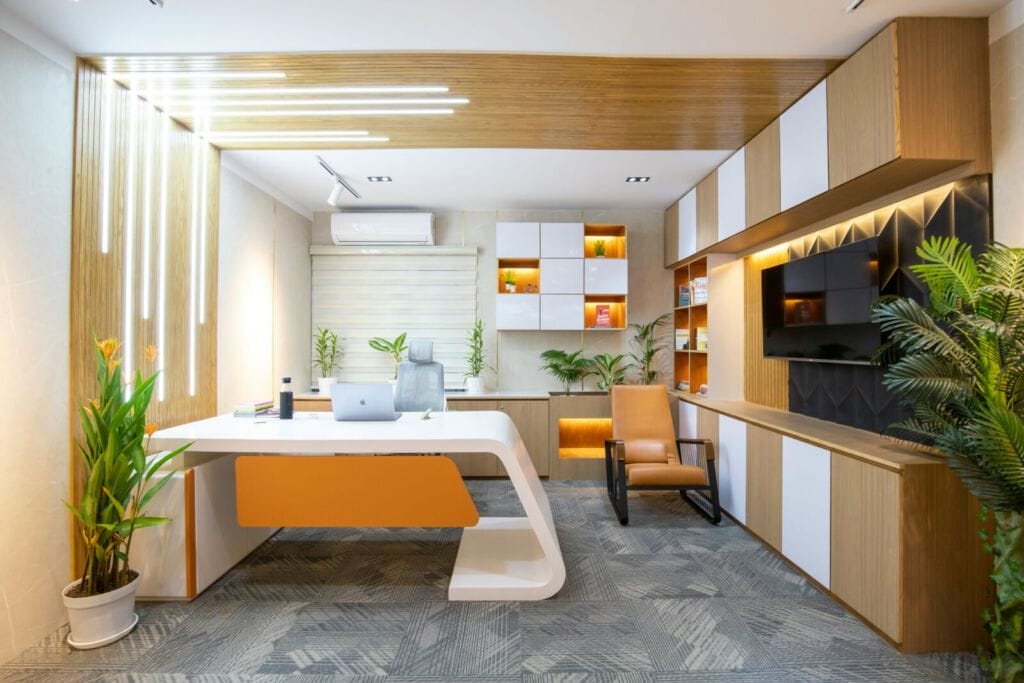
Air conditioning influences nearly every aspect of modern life. From health and productivity to design and sustainability, it stands as a cornerstone of comfort in homes and businesses alike. By recognizing its broader role and investing in reliable systems and professional care, people create environments that support both daily living and future resilience.