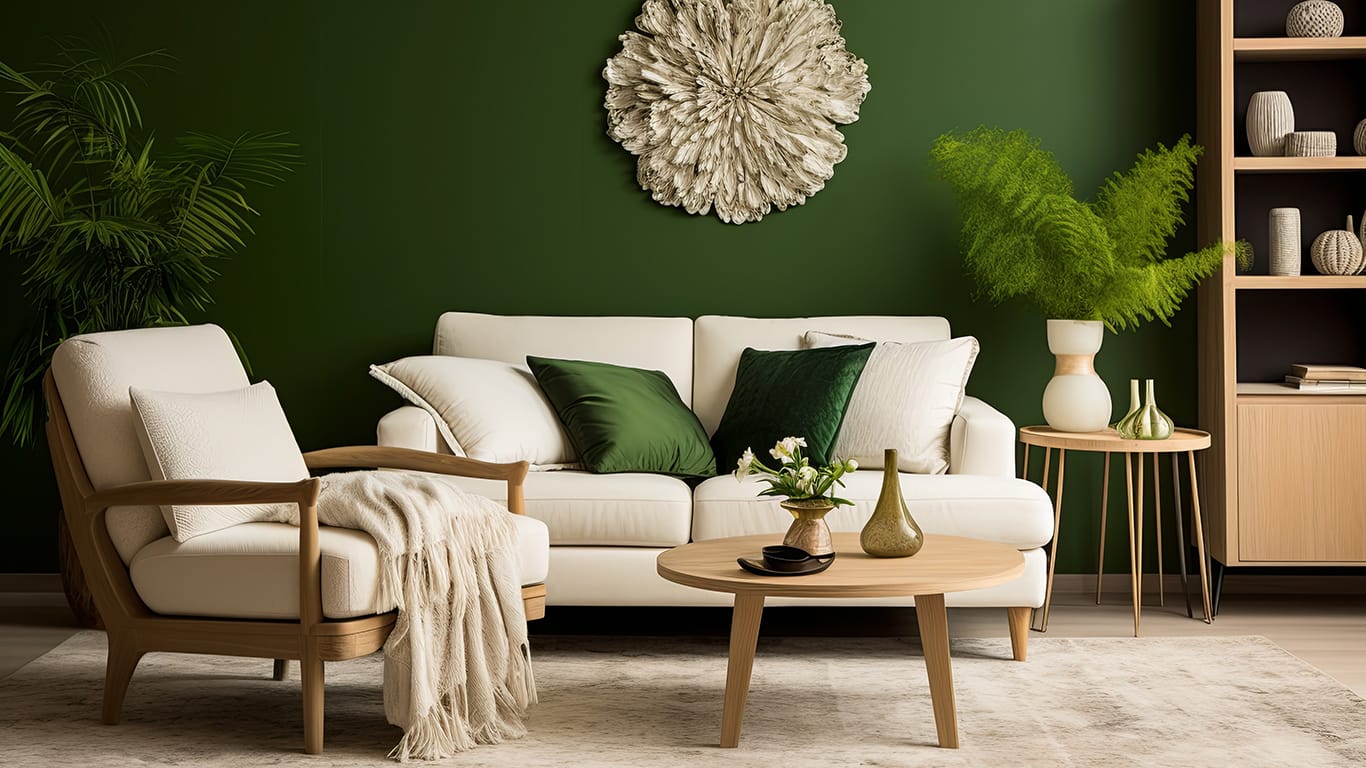
There’s a common misconception that beautiful interiors require a hefty budget. The truth is, economy home decor has become one of the most searched topics in 2026, and for good reason. With rising living costs and a growing appreciation for mindful spending, homeowners and renters alike are discovering creative ways to make their spaces look stunning without draining their savings accounts.
Whether you’re decorating your first apartment, refreshing a tired room, or redesigning your entire home on a tight budget, this guide will walk you through everything you need to know about achieving high-end looks through smart, affordable choices.
Why Economy Home Decor Is More Popular Than Ever
The global economic landscape has shifted dramatically over the past few years. Inflation, housing costs, and everyday expenses have pushed people to rethink how they spend money on non-essentials — including interior design. But here’s the exciting part: the desire for a beautiful home hasn’t diminished. Instead, people have become more resourceful.
Economy home decor isn’t about settling for less. It’s about being intentional with your choices, prioritising quality where it matters, and finding clever alternatives that deliver style without the premium price tag. Social media platforms like Instagram, Pinterest, and TikTok have fuelled this movement, with millions of creators sharing budget-friendly transformations that rival professional interior design projects.
The sustainability angle also plays a significant role. Consumers are increasingly aware of the environmental impact of fast furniture and disposable decor. Choosing second-hand pieces, upcycling old furniture, and investing in timeless rather than trendy items aligns perfectly with both economic and ecological values.
Planning Your Budget: The Foundation of Economy Home Decor
Before you buy a single cushion or paint a single wall, planning is essential. The most successful economy home decor projects start with a clear budget and a prioritised list of needs versus wants.
Assess what you already have. Walk through your home with fresh eyes. Many items can be repurposed, rearranged, or refreshed with minimal effort. A bookshelf moved to a different wall, a throw blanket draped differently, or artwork rehung at the correct height can make a surprising difference — all at zero cost.
Set a realistic budget for each room. Rather than allocating a lump sum for your entire home, break it down room by room. This approach helps you focus your spending where it will have the most impact. For most people, the living room and bedroom take priority since these are the spaces where you spend the most time.
Create a mood board. Free tools like Pinterest or Canva allow you to visualise your desired aesthetic before spending anything. This prevents impulse purchases that don’t fit your overall vision — one of the biggest budget killers in home decorating.
Celebrity Inspiration on a Budget: The SSSniperwolf Example
One of the best ways to approach economy home decor is by drawing inspiration from celebrity homes and adapting their style to fit a realistic budget. A fantastic example is SSSniperwolf’s (Lia’s) house decoration.
The popular YouTuber’s home is known for its bold, modern aesthetic that blends glamour with comfort. Her living spaces feature a striking monochromatic colour palette — predominantly black, white, and grey — accented with pops of neon lighting and sleek, contemporary furniture. Her gaming and filming rooms showcase LED strip lighting that creates a vibrant, futuristic atmosphere, while her living areas balance clean minimalist lines with plush, oversized seating and statement art pieces.
How to recreate SSSniperwolf’s style on a budget:
- LED strip lights and neon signs are now available for as little as £10–£20 online, instantly giving any room that modern, content-creator glow.
- Monochromatic colour schemes are naturally budget-friendly because neutral furniture and accessories are widely available at every price point.
- Statement wall art or large printed canvases can be sourced affordably through online print services rather than expensive galleries.
- Minimalist furniture with clean lines is readily found at budget retailers or second-hand — the key is choosing simple shapes and letting the accessories do the talking.
This proves that economy home decor doesn’t mean sacrificing personality. By identifying the core elements of a style you admire — whether from a celebrity, influencer, or designer — you can recreate the essence of that look affordably.
Top Economy Home Decor Strategies That Actually Work
1. Paint: The Ultimate Budget Transformer
Nothing changes a room more dramatically than a fresh coat of paint. A tin of quality paint costs relatively little compared to its transformative impact. In 2026, trending colours include warm neutrals, soft greens, and deep navy accents. Consider painting just one accent wall if you want to save on paint costs while still creating visual interest.
2. Thrift Shopping and Charity Finds
Charity shops, car boot sales, and online marketplaces like Facebook Marketplace and Vinted Home are goldmines for economy home decor enthusiasts. Vintage frames, solid wood furniture, ceramic vases, and unique artwork can often be found for a fraction of their original price. The key is patience — check regularly and be ready to act when you spot something special.
3. DIY Projects That Look Professional
You don’t need to be a skilled craftsperson to tackle simple DIY projects. Repainting old furniture, creating gallery walls with printed photographs, making your own cushion covers from affordable fabric, or building simple floating shelves are all achievable weekend projects. YouTube tutorials have made even complex techniques accessible to beginners.
4. Strategic Use of Textiles
Cushions, throws, rugs, and curtains are some of the most cost-effective ways to refresh a room. Swapping out textiles seasonally keeps your home feeling current without requiring major investment. Look for sales at high-street retailers or explore online discount stores for affordable options that don’t compromise on quality.
5. Indoor Plants and Natural Elements
Houseplants remain one of the most affordable ways to add life, colour, and texture to any space. Propagating plants from cuttings is completely free, and even purchased plants offer incredible value considering how much visual impact they deliver. Combine them with natural elements like dried flowers, wooden accessories, or stone accents for a layered, designer look.
6. Lighting Makes Everything Look Expensive
Strategic lighting can elevate even the most basic room. Replace harsh overhead bulbs with warm-toned alternatives, add affordable table lamps or fairy lights for ambience, and maximise natural light by keeping windows unobstructed. Battery-operated LED candles create atmosphere without ongoing costs.
Room-by-Room Economy Home Decor Ideas
Living Room
Focus on the sofa area first — it’s the focal point. If a new sofa isn’t in the budget, invest in a quality throw and new cushions in coordinating colours. Add a second-hand coffee table, a budget rug to anchor the space, and a few carefully chosen accessories. Floating shelves provide display space without the cost of full furniture pieces.
Bedroom
New bedding delivers the biggest impact per pound spent in a bedroom. Crisp white sheets with textured throws create a hotel-like feel affordably. A headboard can be made from reclaimed wood or fabric-covered MDF. Bedside tables don’t need to match — mismatched vintage finds add character.
Kitchen
Open shelving using basic brackets and reclaimed timber costs far less than new cabinets but creates a modern, airy feel. New handles on existing cabinets, a peel-and-stick backsplash, and coordinated storage jars transform a kitchen without renovation costs.
Bathroom
Fresh towels, a new shower curtain, matching accessories, and a few plants can make a dated bathroom feel fresh. Replacing old silicone sealant and giving grout a deep clean also costs almost nothing but makes tiles look years newer.
Common Mistakes to Avoid With Economy Home Decor
Even with the best intentions, budget decorating can go wrong. Here are pitfalls to watch for:
Buying too many small items. It’s tempting to fill a basket with cheap accessories, but lots of small, inexpensive items often create clutter rather than style. Fewer, slightly better-quality pieces always look more polished.
Ignoring scale and proportion. A tiny rug in a large room or an oversized lamp on a small table looks off regardless of price. Measure your space and choose appropriately sized items.
Following every trend. Economy home decor works best when you invest in timeless foundations and add trendy touches through easily changeable elements like cushions or artwork. This way, you won’t need to redecorate every time styles shift.
Forgetting about functionality. A beautiful room that doesn’t work for your daily life will never feel truly comfortable. Always balance aesthetics with practicality, especially in high-traffic areas.
How to Make Cheap Decor Look Expensive
The secret to successful economy home decor lies in a few key principles:
- Edit ruthlessly. Less is more. A minimalist approach with carefully curated pieces always looks more expensive than a cluttered room full of items.
- Stick to a cohesive colour palette. When everything coordinates, even budget items look intentional and designed.
- Add texture. Mixing materials — wood, metal, fabric, glass, natural fibres — creates visual richness that makes a room feel layered and thoughtful.
- Pay attention to details. Iron your curtains, style your shelves with intention, and keep surfaces clean and organised. Presentation matters enormously.
- Invest in one statement piece. Even on a tight budget, allocating slightly more for one standout item — a mirror, a piece of art, a chair — gives the room a focal point that elevates everything around it.
The Future of Economy Home Decor
As we move through 2026, the economy home decor movement shows no signs of slowing down. If anything, it’s becoming more sophisticated. AI-powered design tools are now helping homeowners visualise changes before making them. Subscription-based decor services offer rotating accessories at a fraction of buying outright. And the second-hand market continues to grow, with more platforms making it easier than ever to buy and sell pre-loved furniture and decor.
The cultural shift towards valuing creativity over spending power has democratised interior design. You no longer need a designer’s budget to have a designer-looking home — you just need inspiration, planning, and a willingness to think differently.
Conclusion
Economy home decor proves that style and savings can coexist beautifully. By approaching your home with creativity, patience, and strategic thinking, you can create spaces that reflect your personality and provide daily comfort — all without financial stress. Drawing inspiration from creators like SSSniperwolf shows that even bold, glamorous aesthetics can be achieved on a modest budget when you focus on the right elements. The key is starting small, planning carefully, and remembering that the most inviting homes are built over time, not bought all at once.
If you’re looking for ongoing inspiration and practical guidance for transforming your living spaces, Home Comfort Experts is an excellent resource worth bookmarking. The website provides valuable home decor and home design tips inspired by celebrity homes — including breakdowns of styles from influencers and public figures — giving readers insight into how high-profile interiors can be adapted for everyday living. Beyond aesthetics, Home Comfort Experts also shares in-depth knowledge about home improvements, helping you make informed decisions about upgrades that add both comfort and value to your property. Whether you’re after celebrity-inspired styling ideas or practical renovation advice, it’s a comprehensive destination for anyone passionate about making their home the best it can be.