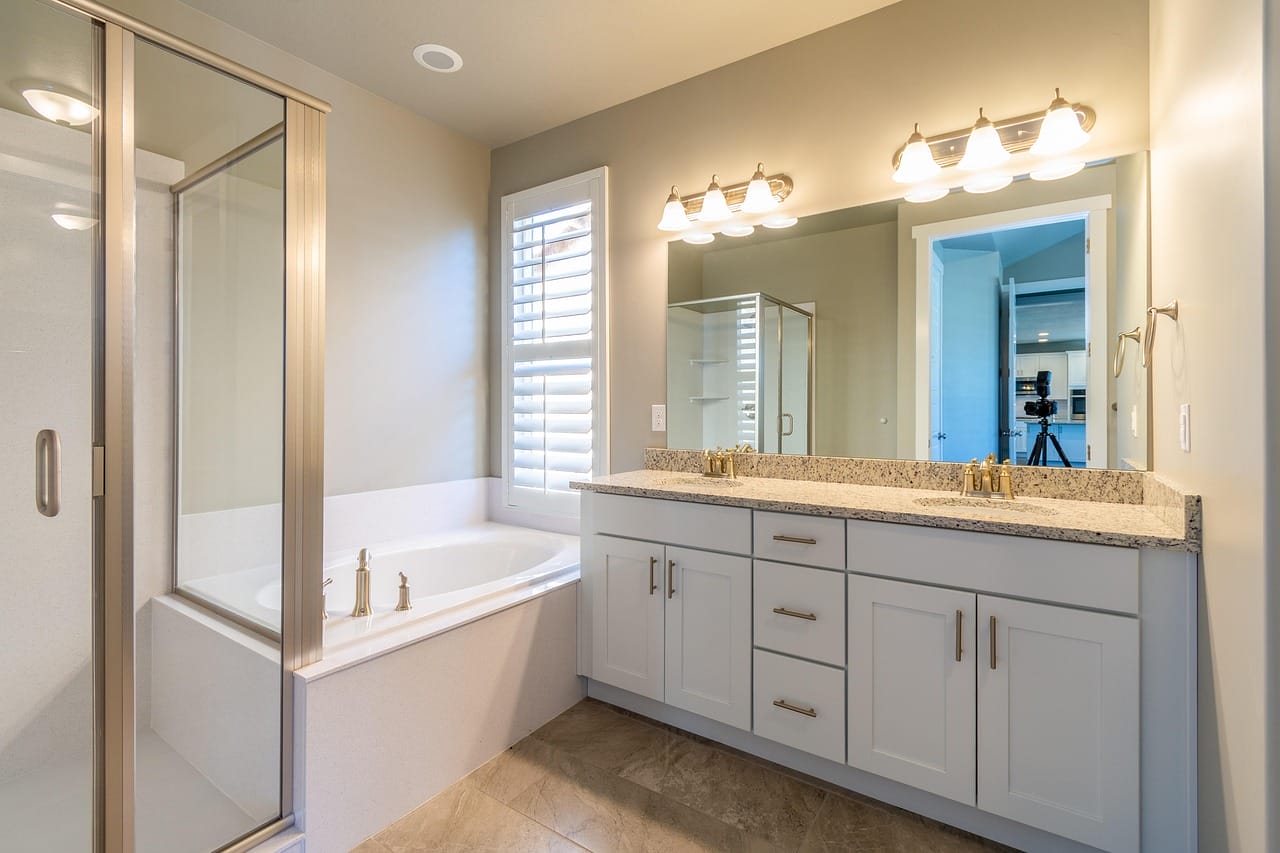
Choosing the right mirror is about more than appearance. In a bathroom environment where moisture, temperature changes, and daily use are constant factors, the decision between framed and frameless mirrors directly impacts durability, maintenance, and installation. Whether you are upgrading a powder room or planning a complete renovation, understanding how each option performs over time helps ensure a smarter investment. From modern vanity mirrors to classic bathroom mirrors Australia homeowners rely on, making the right choice starts with knowing how framing affects protection and longevity.
Understanding framed mirrors
Framed mirrors feature a protective border made from materials such as aluminum, stainless steel, wood, or composite finishes. This frame acts as a shield, covering the mirror edges and reducing exposure to moisture and impact. From an installation perspective, framed mirrors are often easier to mount because the frame provides additional structural support and hides minor wall imperfections. This makes them a practical choice for homeowners seeking a balance between style and durability, especially when coordinating with existing vanity mirrors and fixtures.
Benefits of long-term edge protection
One of the most substantial advantages of framed mirrors is edge protection. The frame prevents chipping, peeling, and corrosion that can occur when mirror edges are exposed to humidity. Over time, this protection helps preserve clarity and structural integrity. In family bathrooms or high-use spaces, framed bathroom mirrors Australia suppliers often prove more forgiving, as the edges remain protected from accidental contact and cleaning wear.
READ MORE: Here’s why the Arizona economy is poised to accelerate
LOCAL NEWS: Want more stories like this? Get our free newsletter here
What defines frameless mirrors
Frameless mirrors offer a sleek, minimalist appearance that suits modern bathroom designs. Without a border, the mirror creates a clean visual line and can make smaller bathrooms feel more open. Installation typically requires precision mounting hardware, such as clips or adhesive systems, to ensure stability. While frameless vanity mirrors deliver a contemporary look, they demand careful handling during installation to avoid edge damage.
Edge durability and maintenance considerations
Because frameless mirrors have exposed edges, long-term protection depends heavily on proper sealing and quality manufacturing. Polished or beveled edges reduce sharpness and help resist moisture intrusion, but they do not offer the same level of protection as a frame. Regular cleaning and avoiding abrasive products are essential to maintain appearance. Homeowners selecting frameless bathroom mirrors Australia should prioritize products designed specifically for bathroom environments.
Installation differences that matter
Installation methods vary significantly between framed and frameless mirrors. Framed mirrors can often be mounted using brackets or rails integrated into the frame, simplifying alignment. Frameless mirrors require precise measurements and secure wall anchoring to prevent stress on the glass. In both cases, professional installation can help ensure safety and longevity, particularly when coordinating with lighting and cabinetry.
Choosing the right mirror for long-term value
The choice between framed and frameless mirrors ultimately depends on style preferences, usage patterns, and maintenance expectations. Framed mirrors offer enhanced edge protection and durability, making them ideal for high-moisture or high-traffic bathrooms. Frameless mirrors deliver a modern aesthetic but require greater care to preserve their edges over time. When selected thoughtfully, both styles of vanity mirrors and bathroom mirrors that Australian homeowners choose can provide lasting performance and visual appeal that complement the overall bathroom design.