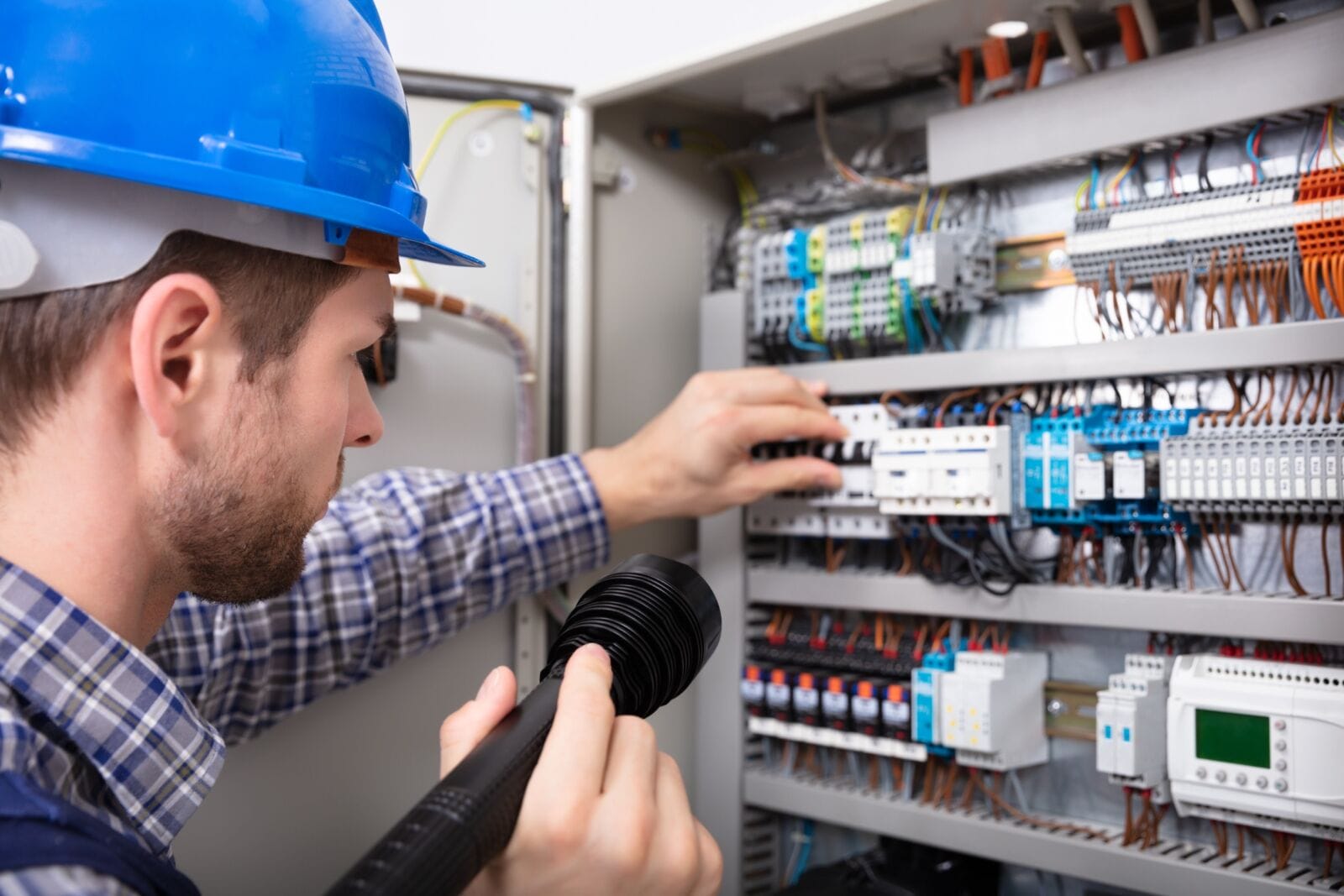
A professional electrical inspection reveals the true condition of your home’s wiring, panels, and circuits – identifying hidden hazards before they become emergencies. It ensures home electrical safety, verifies electrical code compliance, and is especially crucial for older homes or those undergoing renovations. By evaluating everything from outlet grounding to circuit load capacity, a residential electrical inspection provides peace of mind and protects your property and family from preventable electrical risks.
Your home’s electrical system works silently behind walls – until it doesn’t. Flickering lights, tripping breakers, or a faint burning smell aren’t just annoyances; they’re red flags. In Canada, where older housing stock often coexists with modern power demands, ensuring your wiring can safely handle today’s load is more important than ever. A professional electrical inspection acts like a diagnostic scan for your home, revealing risks before they become emergencies.
Whether you’re renovating, purchasing a property, or simply prioritizing safety, understanding what this process uncovers can save you from costly repairs – or worse. For homeowners seeking a detailed assessment, an electrical home inspection offers clarity and confidence.
What a Residential Electrical Inspection Really Covers
A residential electrical inspection goes far beyond a visual glance at outlets or flipping a few breakers. Conducted by a licensed professional, it’s a methodical evaluation of every critical component in your home’s electrical ecosystem. The goal? To verify home electrical safety, confirm electrical code compliance, and uncover hidden issues before they escalate. Below is what a thorough electrical safety inspection typically includes:
Evaluating Wiring and Circuit Load
Inspectors begin by assessing the type, age, and condition of your home’s wiring. Older materials like knob-and-tube or aluminum wiring pose known risks – such as overheating or loose connections – and often can’t support modern electrical demands. The inspector will also calculate your total circuit load to ensure your system isn’t overloaded, which is a common cause of breaker trips and fire hazards.
In many Canadian homes, adding home offices, EV chargers, or heat pumps has pushed legacy systems beyond their limits.
Testing Outlets, Switches, and GFCIs
Every outlet and switch is tested for proper grounding, polarity, and functionality. Special attention is given to Ground Fault Circuit Interrupters (GFCIs) – required in kitchens, bathrooms, and outdoor areas – which shut off power instantly if a ground fault is detected. Faulty or missing GFCIs are a frequent violation of current electrical code compliance standards and a major safety concern, especially in wet environments.
Assessing the Electrical Panel and Grounding
The main electrical panel is the heart of your system. Inspectors check for signs of corrosion, scorching, or outdated components like fuse boxes or Federal Pacific panels (known for failure risks). They also verify that the panel has adequate amperage for your home’s size and usage and that it’s properly grounded – a non-negotiable for home electrical safety. Poor grounding can lead to equipment damage or electric shock.
MORE NEWS: The 100 Best Doctors in Arizona for 2026
INDUSTRY INSIGHTS: Want more news like this? Get our free newsletter here
Verifying Electrical Code Compliance
Finally, the inspector cross-references your entire setup against the latest edition of the Canadian Electrical Code (CEC) and applicable provincial regulations. This includes checking clearance around panels, proper labelling, arc-fault protection in bedrooms, and correct wire sizing. Non-compliant installations – especially from unpermitted DIY work – may need correction before a home sale or insurance renewal.
To illustrate common findings, here’s a quick comparison:
| Component | Safe & Compliant | Potential Hazard |
| Wiring Type | Copper NM (Romex) or modern conduit | Knob-and-tube, aluminum, or cloth-insulated wire |
| Electrical Panel | 100+ amp, labeled, with AFCI/GFCI breakers | 60-amp fuse box, unlabeled, no arc protection |
| Outlets (Wet Areas) | GFCI-protected, grounded | Standard outlets, ungrounded |
| Circuit Load | Balanced, within 80% capacity | Overloaded, frequent tripping |
This level of scrutiny ensures your home doesn’t just function – it operates safely and legally.
Signs You Need an Electrical Safety Inspection Now
Even if your lights turn on and your devices charge, your home’s electrical system could be silently struggling. Certain warning signs suggest it’s time to schedule a professional electrical safety inspection – not as a luxury, but as a necessary safety measure. Ignoring these red flags can increase fire risk, damage appliances, or void your home insurance.
Watch for these common indicators:
- Frequent breaker trips: Occasional tripping may be normal, but repeated incidents often signal overloaded circuits, faulty wiring, or a failing panel.
- Flickering or dimming lights: Especially when using high-wattage appliances, this can point to loose connections or inadequate service capacity.
- Warm or discoloured outlets/switches: Heat buildup is a serious concern and may indicate arcing or poor wiring behind the wall.
- Burning smells near panels or outlets: Never ignore this. It’s a strong indicator of overheated components or insulation breakdown.
- Buzzing or sizzling sounds from the panel: These noises suggest internal arcing – a fire hazard that demands immediate attention.
- Use of extension cords or power strips as permanent solutions: This often means your home lacks sufficient outlets for modern electrical demands.
- Home age: If your house is over 25 years old and hasn’t had a recent residential electrical inspection, outdated wiring or non-compliant installations may be present.
Additionally, major life events should trigger an inspection: buying a home, completing a renovation, adding high-load appliances (like EV chargers or heat pumps), or after a flood or storm. These situations can expose or introduce vulnerabilities that only a qualified inspector can identify.
An electrical inspection not only validates electrical code compliance but also provides a clear roadmap for upgrades – helping you prioritize safety over guesswork.
Final Thoughts: Don’t Wait for a Warning Sign
An electrical inspection isn’t just a box to check during a real estate transaction – it’s a vital part of responsible homeownership. Many serious electrical issues develop silently, with no obvious symptoms until a failure occurs. By the time sparks fly or breakers refuse to reset, damage may already be underway.
Proactively scheduling a residential electrical inspection gives you control. It confirms your system meets current electrical code compliance standards, supports home electrical safety, and helps you avoid unexpected costs down the road. Think of it as preventive healthcare for your home: a small investment that protects what matters most.
Whether your home is decades old or newly built, electrical demands evolve. From smart appliances to electric vehicles, today’s households draw more power than ever. A qualified inspector can assess whether your infrastructure can keep up – and, if not, what upgrades are needed.
Most importantly, peace of mind isn’t something you retrofit after an incident. It’s built in through awareness, maintenance, and timely professional input. Don’t wait for a warning sign. Make electrical safety inspection a routine part of your home care strategy – because when it comes to safety, there’s no such thing as “just in case.”