Almost all homeowners know they should replace the air filter at some point. But most are confused about when to change an HVAC filter. The answer depends on several factors.
Replacing your filter at the recommended intervals helps maintain proper airflow, improve energy efficiency, and reduce unnecessary strain on your system. It’s also a simple way to support reliable performance between professional heating and cooling services in San Jose. Let’s explore the key factors that should be part of your HVAC maintenance routine.
How Often Should You Actually Change Your HVAC Filter?
An HVAC filter replacement is usually required every three months. It is usually the optimal amount to keep the airflow strong without wasting money.
Changing the filter seasonally can ensure that the filter is not clogged or too dirty. Using a dirty filter can:
- Weaken the airflow
- Cause dirt to circulate indoors
- Make the room musty and dusty
A regular replacement can enhance efficiency and performance. It also protects residents’ well-being.
Some HVAC equipment is compatible with reusable filters. In that case, you can simply clean the filters as they get dirty.
What Factors Can Make You Change Your HVAC Filter More Often?
There are a few factors that can determine the suitable frequency to change an HVAC filter.
- Traffic
If you have constant indoor traffic or lots of residents, the filters may get dirtier faster. - Pets or vulnerable people
Pet fur can clog the unit. For vulnerable people, it is more crucial to keep air circulation stable. More frequent replacement is more suitable. - Environment
Properties near factories or a highway tend to get a lot of dust and debris indoors. The air quality drops faster without a prompt filter replacement. - Life habits
Some habits, such as smoking, will lower indoor air quality. The residues get trapped on the filter. It will quickly choke the airflow. - Occasional events
During certain periods, you may want to change the filter more regularly. For example, you have been doing a home remodeling project. This will cause the house to be dustier than usual. Once the project is over, you can switch back to the normal replacement frequency.
There are a few ways to check whether you need to replace the air filter:
- Visual inspection for signs of dirt
- Weak airflow coming from the vents
- Dust in the air or on surfaces
- A musty or strange odor from the vents
What Happens If You Wait Too Long to Change Your HVAC Filter?
There are good reasons why you should replace the air filter regularly. The failure to do so promptly may result in rather annoying damage.
- System damage
Tough debris can break the filter. It can get circulated inside the system. Then, it may damage the blower motor or evaporator coils. The internal system damage can be difficult to fix. - Higher energy bills
When the vents are clogged, the system has to run constantly to maintain satisfactory output. The overworked system will likely lead to higher energy bills. - Short cycling
An inefficiently run system may short cycle. Not only will this lower performance, but it may also cause premature damage to internal components. - Poor air quality
The filters are here to stop pollutants from being circulated indoors. When the filter gets full, it recycles pollutants around the room. It lowers air quality.
Does the Type of HVAC Filter Change How Often It Should Be Replaced?
Yes. There are many types of HVAC filters. They have different filtration properties and durability. The type will determine the rough replacement interval.
- 1-inch standard filters
They should generally be replaced every three months. If any of the mentioned factors above apply to you, you should consider replacing them more frequently, such as once a month. - Thick filters (3+ inches)
They can be replaced once or twice a year. They have a larger surface area. They can catch more dirt before it creates issues with airflow. - Washable filters
They generally do not need to be replaced. They just need to be cleaned monthly or as needed.
Does a Higher MERV Rating Mean You Can Change Your Filter Less Often?
No. The stronger filtration property does not mean it needs fewer replacements. Instead, it might need to be changed more often. This type of filter is more efficient in catching debris. Therefore, they get clogged even faster than standard filters.
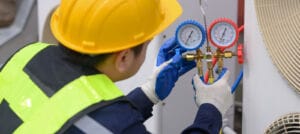
You can ask your HVAC contractor about the appropriate replacement frequency. They will replace the air filters for you and offer suggestions based on various factors.
In conclusion

An HVAC filter replacement is essential for maintaining high performance. A quick replacement may instantly improve air quality and operational efficiency. Work with a reliable contractor to set a suitable schedule. They will offer customized solutions that meet your situation.