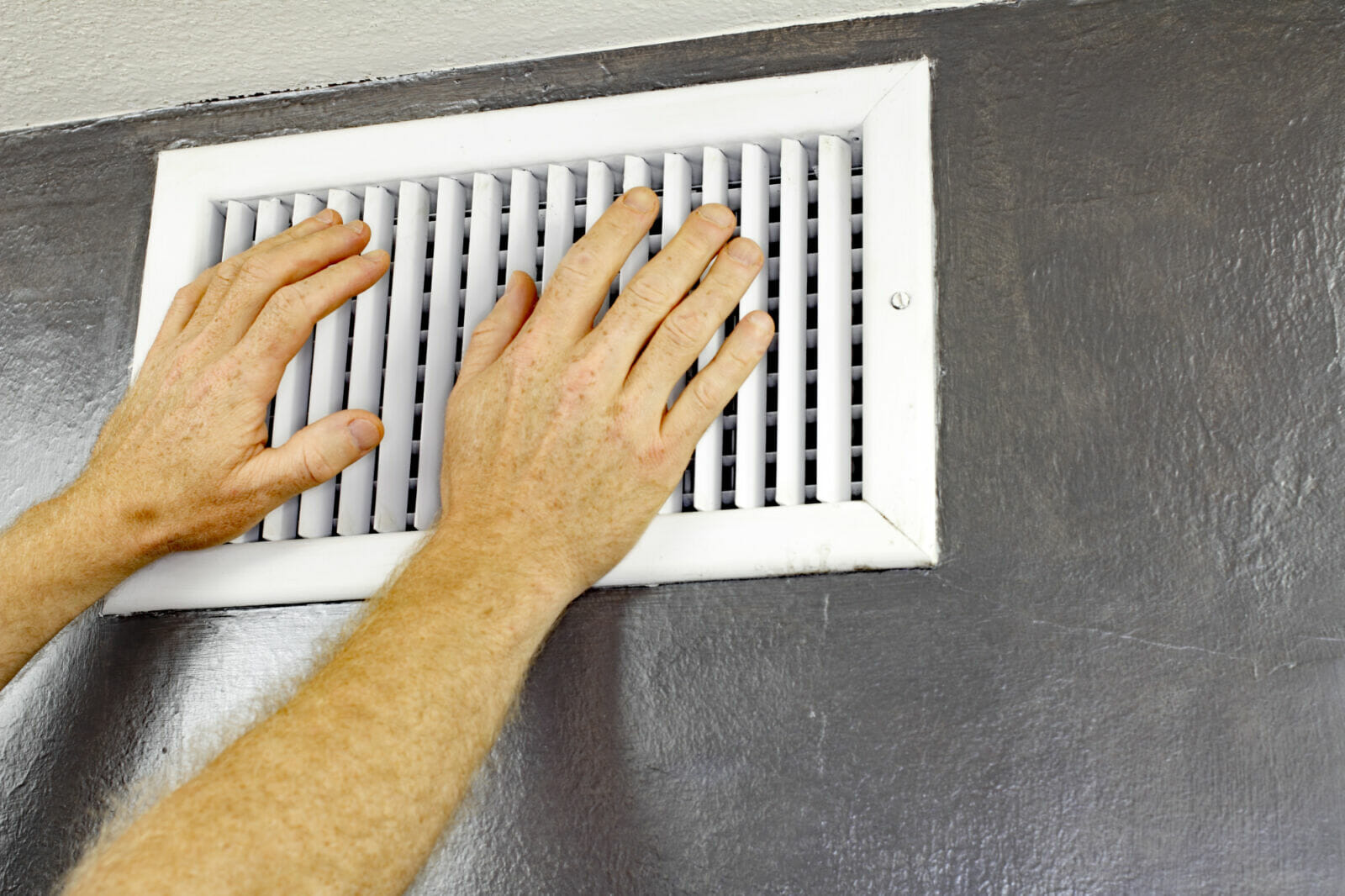
Regular furnace care plays a crucial role in keeping a home’s heating system dependable throughout the colder months. Simple tasks—such as cleaning filters, inspecting components, and checking airflow—help the equipment run smoothly and reduce unnecessary strain. When minor issues are identified early, they can be resolved before they escalate into expensive breakdowns, making ongoing attention an effective way to extend the system’s lifespan. This proactive approach also supports energy efficiency, helping households avoid unexpected spikes in utility costs.
In some cases, homeowners may need assistance evaluating unusual noises, inconsistent heat, or reduced performance. Seeking professional insight, including services like heating repair in Cincinnati, OH, can offer clarity without promoting any specific provider. Such guidance ensures that underlying problems are diagnosed correctly and addressed before they escalate. By pairing routine upkeep with timely expert evaluation when necessary, homeowners can maintain a safer, more efficient heating system and prevent avoidable repair expenses over time.
Enhancing Energy Efficiency
An optimally running furnace provides steady heat, reduces energy consumption, and makes your home more eco-friendly. A well-maintained furnace maintains a stable temperature, conserving fuel and thereby lowering your utility bills. Dust, pet hair, debris buildup, or clogged filters force the system to work harder, increasing run times and causing inconsistent temperatures in rooms. This leads to higher bills and puts extra stress on the equipment, resulting in more repairs and a shorter lifespan. According to the U.S. Department of Energy, replacing dirty filters with clean ones can reduce energy use by up to 15%. Regular cleaning of blower parts and checking airflow helps the system operate smoothly, boosting efficiency, lowering costs, and minimizing environmental impact.
Extending System Lifespan
Your furnace represents a significant investment in your home’s comfort, costing thousands to replace. Proper maintenance can significantly extend its lifespan. Regular inspections and maintenance prevent minor problems from escalating into expensive repairs, such as replacing essential parts or the entire system. Tasks such as lubricating moving parts, inspecting electrical connections, testing safety switches, and cleaning heat exchangers are crucial to prevent early failures. Ensuring components are well-maintained prolongs their durability, reducing overall costs. Research indicates that systems maintained regularly last several seasons longer than neglected ones, making annual servicing financially worthwhile. Plus, homeowners benefit from consistent heating, reduced noise, and fewer disruptions when their furnace is in optimal condition.
Ensuring Safety
Home heating safety is essential, particularly with gas furnaces that operate on combustible fuel and electrical systems. Problems such as loose gas fittings, cracked heat exchangers, or defective pilot lights can lead to dangerous leaks or exposure to carbon monoxide. This colorless, odorless gas can cause symptoms such as headaches, dizziness, or even be fatal. Regular professional maintenance ensures that safety controls, sensors, shut-off switches, and igniters function correctly, and that gas lines are free of leaks. Early detection of issues helps prevent health risks, and testing for proper venting and air exchange minimizes the danger of carbon monoxide buildup after system repairs or modifications.
Improving Indoor Air Quality
Furnaces significantly influence indoor air quality. If not properly maintained, they can spread dust, pollen, mold spores, and allergens, which can worsen allergies and respiratory problems. Regular maintenance—such as cleaning or replacing filters, inspecting the blower, and checking the ducts—helps reduce airborne particles and enhances air quality. Since a furnace circulates air continuously, any trapped contaminants can re-enter your home. Families with pets, children, or allergies should ensure filters are clean and airflow is unobstructed to maintain a healthy environment. Routine inspections also help identify issues such as leaky ducts or malfunctioning humidifiers, thereby protecting your family’s health.
Preventing Unexpected Breakdowns
Few things are more inconvenient or costly than a furnace breakdown during cold nights, when repairs are more challenging to arrange, and fees increase. Regular inspections can detect issues such as worn belts, aging bearings, frayed wires, or faulty igniters early, thereby preventing outages. This proactive care helps reduce the need for emergency repairs and replacements. A well-maintained furnace keeps your home warm, allowing planned maintenance that fits your schedule and budget. It also ensures reliable operation when needed most, keeping your family safe and warm. For more tips, see this guide from This Old House on inspections and cleaning flame sensors.
Maintaining Warranty Validity
Many furnace manufacturers mandate regular professional maintenance to maintain warranty validity. Neglecting this can void the warranty and result in repair or replacement costs, even if defects are covered. Annual tune-ups and record-keeping help safeguard your investment and financial interests in case defects arise during the warranty period. Keeping maintenance records up to date makes claims easier and can increase your home’s resale value, as buyers favor well-maintained heating systems.
Conclusion
Routine furnace maintenance is essential for ensuring comfort, safety, and affordability in your home. Regular inspections improve efficiency, prolong the system’s lifespan, and help prevent cold days. Preventive maintenance safeguards safety, health, and reduces costs, providing peace of mind during winter. Ensure that you prioritize maintenance for a dependable furnace.