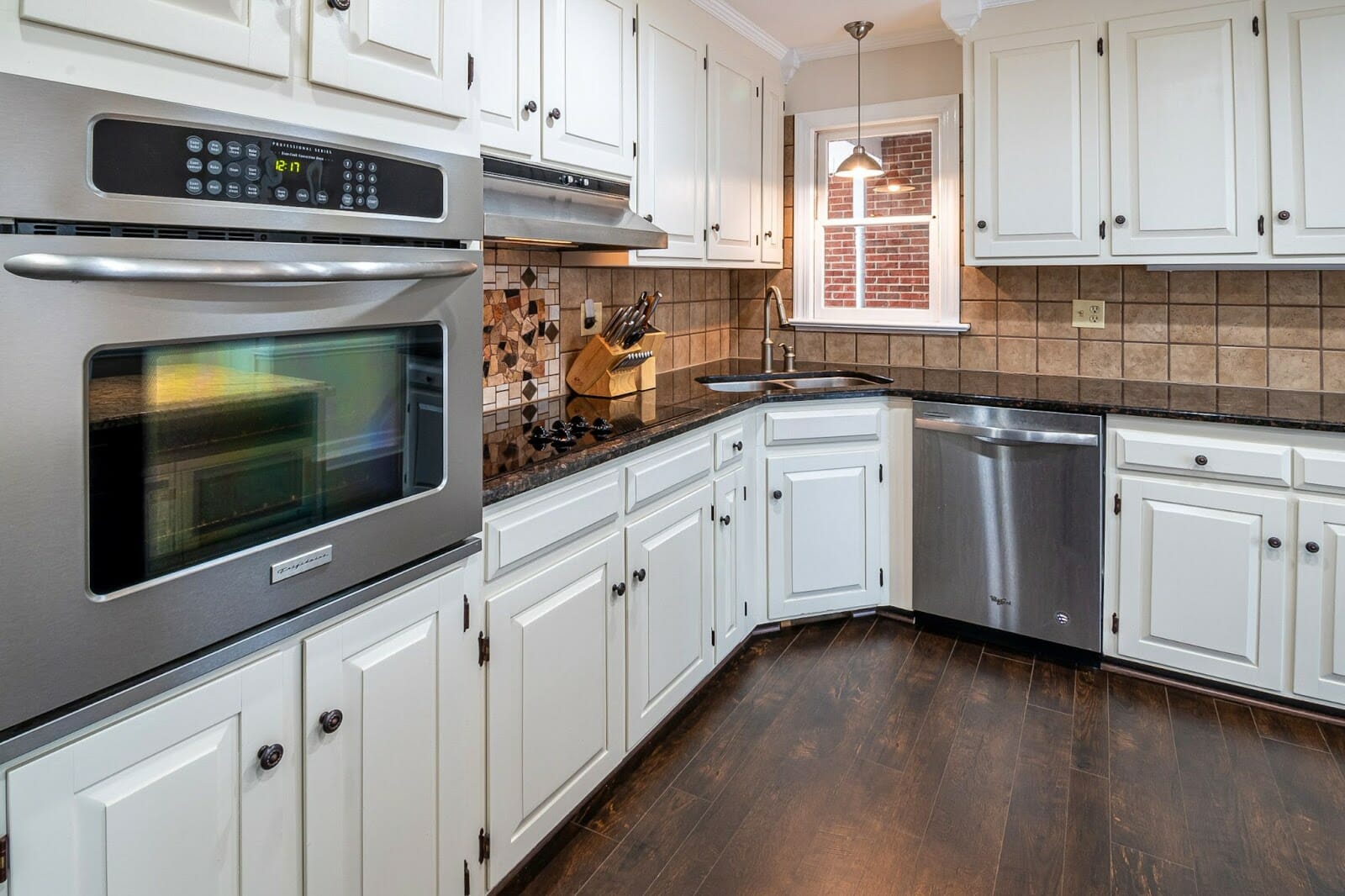
A kitchen renovation does not always require replacing cabinets, moving walls, or investing in new appliances. Cabinet hardware may be one of the smallest elements in the room, but it is also one of the most visible and frequently used. The right knobs and pulls can make existing cabinetry feel more considered, connect the room’s finishes, and give a kitchen a more complete appearance.
Choosing hardware, however, involves more than selecting the first style that looks attractive. Material, finish, proportion, placement, and comfort all affect how well the result works. A timeless update should complement the cabinetry without becoming so trend-driven that it looks dated after a few years. The following considerations can help homeowners make a confident and practical choice.
Start With the Character of the Kitchen
Before comparing individual handles, consider the overall character of the room. A modern kitchen with slab-front cabinets usually benefits from simple pulls with clean lines. Traditional raised-panel doors can support more decorative shapes, while transitional kitchens often look best with hardware that combines a restrained silhouette with a warm finish.
The goal is not necessarily to match every detail. Hardware can introduce a controlled contrast. A streamlined pull can make detailed cabinetry feel fresher, while a softly shaped knob can add warmth to a minimal kitchen. What matters is that the selection appears intentional when viewed with the cabinet style, countertops, backsplash, lighting, and plumbing fixtures.
Prioritize the Base Material
Two handles can look similar in a photograph while feeling very different in everyday use. Some are made from lightweight alloys or plastic with a decorative brass-colored coating. Others are formed from genuine brass. The base material influences weight, tactile quality, durability, and the way the hardware feels each time a drawer or door is opened.
Solid brass is often selected for kitchens where homeowners want hardware with a substantial feel and an authentic metallic character. It can work in contemporary, vintage, and traditional interiors because the final appearance depends as much on the shape and surface treatment as it does on the metal itself. A protected finish is also useful for homeowners who want the selected appearance to remain more consistent with ordinary care.
Homeowners looking for genuine solid-brass cabinet hardware can explore antique brass handles, knobs, and pulls from PullSupply for kitchens, vanities, and furniture.
Coordinate the Finish With the Room
Antique brass introduces a deeper, warmer tone than bright polished gold. Its brown-gold coloring can add definition without creating an overly reflective focal point. This makes it especially useful in kitchens designed to feel established, comfortable, or quietly luxurious.
On white, cream, or warm gray cabinets, antique brass adds warmth and prevents the palette from feeling flat. Navy, forest green, charcoal, and black cabinetry create a stronger contrast that makes the hardware more visible. Natural oak and walnut are also effective companions because the warm metal and wood tones support one another.
It is not always necessary for cabinet hardware to match every metal finish exactly. A kitchen can combine brass hardware with stainless steel appliances or a darker faucet when the combination is repeated deliberately. Keeping one dominant metal and using the others as supporting accents usually creates a more cohesive result than trying to make every item identical.
Choose Knobs and Pulls According to Function
Knobs create a compact detail and work well on smaller doors, upper cabinets, and narrow drawer fronts. Pulls provide more gripping space and can be more comfortable on wide drawers, pantry doors, and frequently used base cabinets. Cup pulls and decorative handles can reinforce a vintage or traditional direction, while straight bar pulls support cleaner contemporary lines.
A kitchen does not have to use one hardware shape everywhere. Many successful designs use knobs on doors and pulls on drawers. The combination feels coordinated when the pieces share the same material, finish, and general design language. Repeating a small number of related forms also helps the room feel organized rather than overly decorated.
For kitchens that use several cabinet and drawer sizes, a coordinated collection of matching antique brass knobs and pulls can introduce useful variation while keeping the material, finish, and design character consistent.
Measure Before Placing an Order
Existing holes often determine which replacements will be easiest to install. For a pull, measure the center-to-center distance between the two screw holes rather than the total length of the handle. Common dimensions may be listed in millimeters or inches, so confirm the measurement system before ordering.
Overall length matters visually, while projection indicates how far the hardware extends from the cabinet surface. Check that a pull will not interfere with nearby doors, walls, appliances, or corner drawers. For knobs, review the base diameter to make sure it covers the existing hole or any marks left by the previous hardware.
Cabinet doors and drawer fronts can have different thicknesses. Confirm the supplied screw dimensions and determine whether longer or shorter screws will be needed. Taking these measurements before ordering reduces installation delays and avoids selecting a beautiful design that does not fit the cabinetry.
Use Proportion to Create a Balanced Look
Hardware should feel appropriately scaled to the surface beneath it. A very short pull may look lost on a broad drawer, while an oversized handle can overwhelm a narrow cabinet door. Instead of choosing each piece independently, compare the proportions across an entire cabinet elevation.
Longer pulls can emphasize horizontal lines and make wide drawers feel more architectural. Smaller knobs or shorter handles keep upper cabinets visually lighter. If a collection offers several sizes, using related sizes for different cabinet widths can provide variety without sacrificing consistency.
Before committing to the full quantity, test one sample against the actual cabinet. View it in daylight and under the kitchen’s evening lighting. Hold it from different angles and check whether it is comfortable for everyone who regularly uses the room. A sample can reveal differences in color, weight, and scale that are difficult to judge on a screen.
Plan the Placement Carefully
Consistent placement is just as important as the hardware itself. A simple template or installation jig helps keep holes aligned across multiple doors and drawers. On cabinet doors, knobs and pulls are usually positioned near the opening edge, while drawer hardware is commonly centered on the drawer front or its primary panel.
Do not drill every hole immediately after measuring the first cabinet. Install one piece, step back, and confirm that the height and alignment look correct from across the room. This small pause can prevent an error from being repeated throughout the kitchen.
A Small Detail With Lasting Impact
Cabinet hardware is a practical design tool because it changes both the appearance and daily experience of a kitchen. A thoughtful selection can refresh existing cabinetry, bring warmth to a neutral palette, and connect traditional materials with modern functionality.
For a result that lasts beyond a short-lived trend, begin with genuine materials, coordinate the finish with the room, select shapes according to function, and verify every measurement before installation. These decisions take more consideration than simply choosing a color, but they create a kitchen that feels intentional, comfortable, and complete.