A roof leak usually doesn’t show up immediately. It starts small. A ceiling stain is usually the first thing that gets anyone’s attention. And by then, the damage has been building for weeks. But that stain? The water behind it has been there longer than you think. Checking your attic a couple of times a year takes maybe ten minutes and can save you thousands. If something looks off, RoofWorx can walk you through what’s going on and what your options are for roofing in San Francisco.
Why Roof Leaks Often Start Showing Signs in the Attic First
Not all the water that falls on the roof goes down. They may pass through the wood beams and roof boards and then fall into the attic. So all damages are usually seen in the attic before they get to the ceiling and walls. Attic water leak detection can help you stop the progression of the damage that a leaking roof can cause. The longer it sits, the worse it gets. And roofing repairs don’t get cheaper with time.
Warning Signs of a Roof Leak Inside the Attic
You do not need to be a professional to notice your roof problems. Look out for:
● Dark marks or wet areas on wood beams or roof boards
● Wet, flat, or dirty-looking insulation
● Mold or mildew on wood
● A bad or musty smell that was not there before
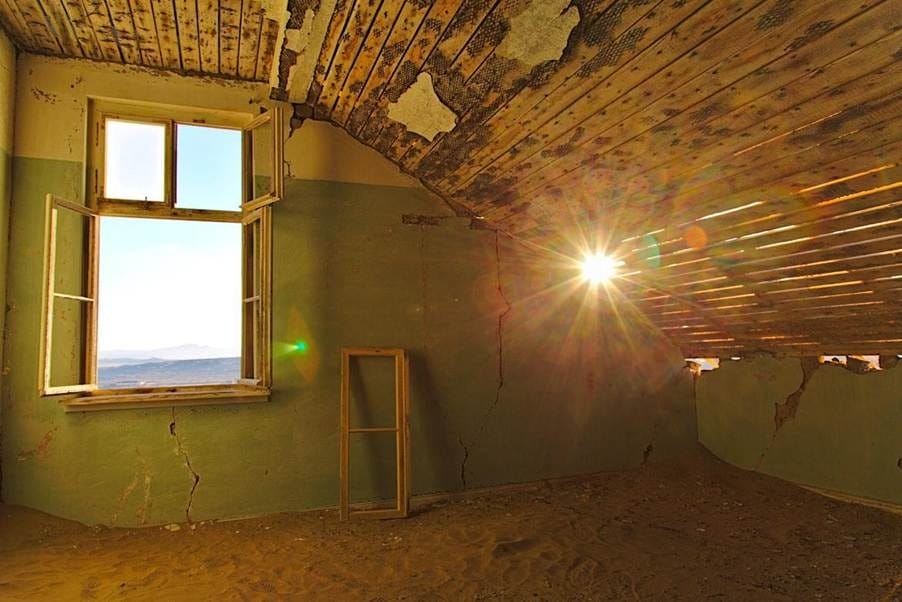
● Light coming through small holes in the roof
● Rust stains around nails or metal parts
Any one of those things is worth taking seriously. Two or more showing up at the same time means you need to move fast.
Safety Precautions Before Inspecting Your Attic
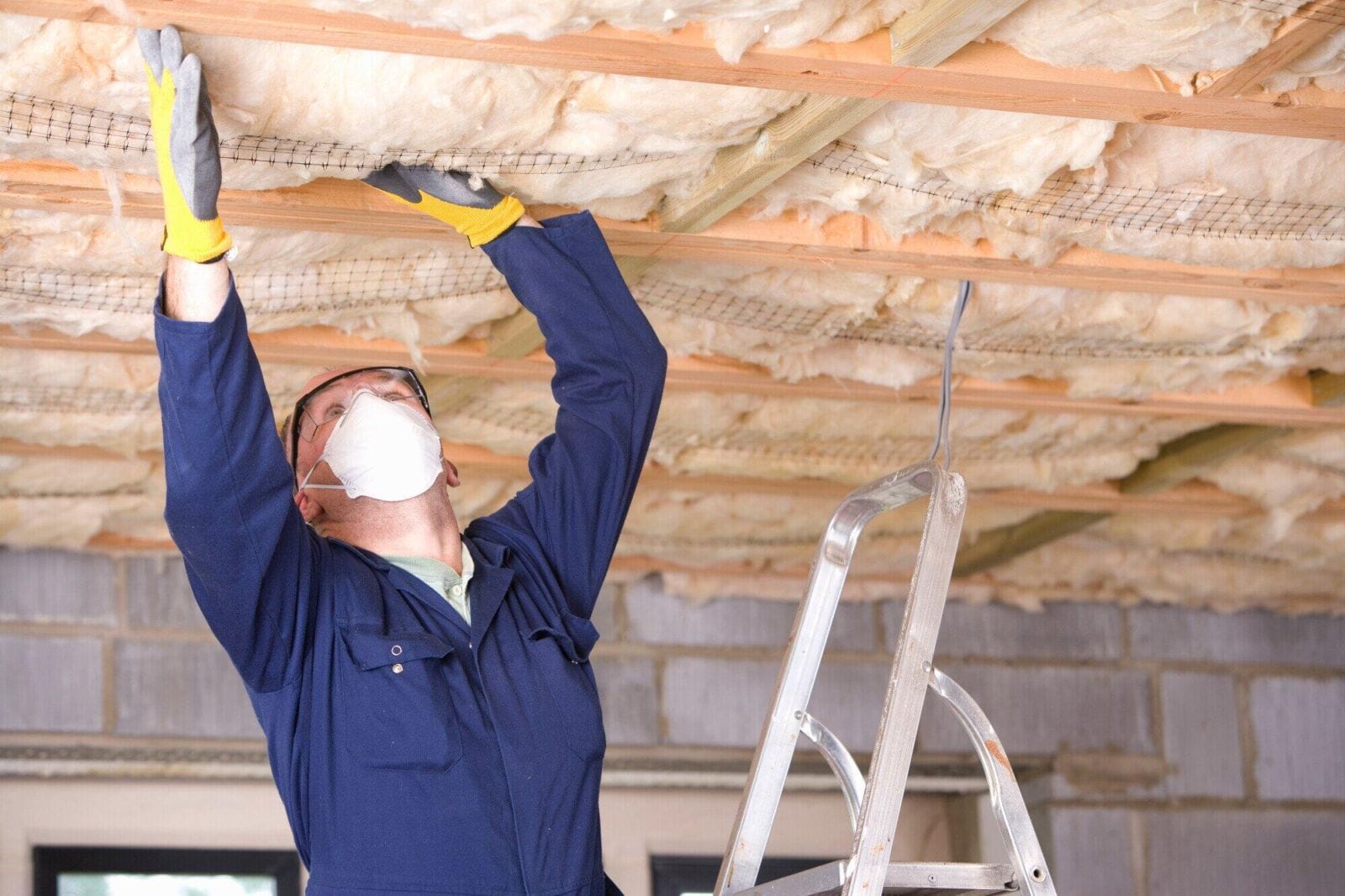
Before you go inside the attic, remember to:
● Use a strong ladder on flat ground
● Bring a flashlight because attics are dark
● Step only on wooden beams, not soft insulation
● Wear a mask if there is dust or mold
How to Inspect Your Attic for Roof Leaks Step by Step
Rain is actually a good time to go up and inspect the attic for roof leaks. Active leaks are easier to spot. A bright sunny day works too. Light coming through gaps in the roof tells you exactly where the problem is.
- Start from the attic and work your way down
- Look for wet or dark wood under the roof
- Follow water marks to see where they begin
- Check the areas around pipes, ventilations, chimneys, and lights
- Check insulation for wet spots
- Take photos so a contractor can understand the problem
Roof Parts Most Likely to Cause Attic Leaks
Leaks do not always come from big holes. Common weak points include:
● Flashing around chimneys and vents, which wears out over time
● Ridge vents on top of the roof
● Valleys where two roof slopes meet
● Old nail holes that become loose or rusty
● Missing or broken shingles
How to Confirm the Exact Source of a Roof Leak
Here’s the tricky part. Water moves. It hits the roof deck and just travels, following the wood grain and beams, sometimes a few feet before it ever drips. So whatever you’re seeing in the attic is probably not sitting directly under the hole. A good old trick is the two-person hose test. One person gets in the attic, the other goes outside with a hose and wets down one section at a time.
The moment the person inside calls out that something is dripping, you’ve got your answer. That’s the section causing the problem.
Temporary Actions to Minimize Damage Until Repairs Are Made
If you can’t get help right away:
● Put a bucket under the dripping water
● Cover wet insulation with plastic
● If safe, place a tarp over the damaged roof area
● Do not remove wet insulation by yourself
When a Roof Leak Requires Professional Help
Some leaks are small, but some are larger and may cause more problems. Make sure to seek professional help if:
● Mold is spreading over a large area
● Wood feels soft or looks rotten
● You see damage in more than one place
● You cannot find where the leak is coming from
Small roof leaks that are ignored can become very expensive later on and that may lead to full roof replacement. The National Roofing Contractors Association actually puts it plainly: get someone up there once a year, even when nothing looks wrong.
Conclusion
The ceiling is the last place a leak shows up. Everything else suffers long before you ever see it from down there. Attic water leak detection does not need special tools. You just need a flashlight and careful attention because the earlier you find the problem, the easier and cheaper it is to repair.
RoofWorx helps homeowners and property owners in San Francisco and the Bay Area find leaks early before they turn into bigger problems. If you notice anything unusual, it’s always better to inspect early than wait.