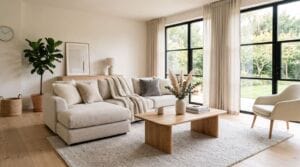
Creating a living space that feels curated and cohesive does not require a design degree or an unlimited budget. With thoughtful choices about scale, texture, color, and placement, you can make your living room look intentional and stylish. This guide walks you through practical design steps and creative strategies to mix and match living room furniture like a professional designer, while keeping comfort and functionality at the heart of your home.
Understand the Design Foundation
Before selecting individual pieces, start by defining your design foundation. This foundation serves as your guide for all other choices and helps your space feel balanced. Designers usually begin with three key anchors:
- A mood or style direction such as modern, eclectic, coastal, or classic
- A neutral base color palette for large pieces like sofas and storage
- A focal point that the room orients around such as a fireplace, a window, or an entertainment wall
Once you have a mood and a neutral base, mixing furniture becomes much easier. A consistent foundation allows you to introduce bold colors, patterns, and materials without overwhelming the space. You can also find inspiration and affordable statement pieces during a living room furniture sale, which helps you explore different styles while keeping within budget.
DEEPER DIVE: Top 10 Arizona ZIP codes people are moving to in 2025
LOCAL NEWS: 100 best places to work and live in Arizona for 2025
Choose a Strong Focal Point
Every well designed living room needs a focal point. This is where your eyes naturally land first and what anchors the rest of the layout. Common focal points include a fireplace, an eye catching artwork, a media wall, or even a stunning window view.
Once you identify your focal point, arrange your furniture around it. Position sofas and chairs to face or complement it, ensuring the space feels intentional and inviting. This simple rule makes a huge difference in creating balance, even when your furniture pieces come from different collections or eras.
Balance Scale and Proportion
When mixing furniture, scale and proportion matter more than style. A small chair next to an oversized sectional can look awkward, just as a large coffee table can overpower a delicate sofa. Designers often think in terms of visual weight rather than size alone.
Here are a few tips to balance your furniture layout:
- Keep larger pieces like sofas and media units low and wide at the back of the room
- Place taller items such as shelves and lamps toward the sides
- Group smaller items together for visual balance
- Match or closely align the seat heights of chairs and sofas for a harmonious look
Before you buy, take room measurements and sketch a simple floor plan. Doing this helps you visualize how everything will fit together and prevents mismatched proportions.
Mix Materials and Textures
A beautifully mixed room often includes a variety of materials and textures. When done thoughtfully, combining different surfaces gives your living room depth and personality.
Consider these pairings:
- Soft fabrics like velvet or linen with warm wooden frames
- Metallic accents on tables or lamps for a modern edge
- Glass or acrylic to create a sense of openness
- Natural textures like rattan, jute, or wicker for an organic feel
Try to repeat materials throughout your space to create unity. For instance, if you choose a brass accent for your lighting, echo it in picture frames or table legs. This repetition helps different elements feel connected.
Play with Color and Pattern
Color and pattern are powerful tools for tying your furniture together. Start with one dominant neutral, one secondary tone, and one accent color that pops. Neutrals can ground the space, while accent colors keep it lively and expressive.
Here’s how to layer color and pattern effectively:
- Choose neutral tones for major furniture pieces
- Add accents through cushions, throws, and wall art
- Mix patterns of varying scales small, medium, and large to keep things balanced
- Repeat key colors across the room to create visual rhythm
For example, if your sofa is beige, add blue cushions, a patterned rug with blue accents, and a piece of wall art that ties those colors together.
Arrange for Comfort and Flow
Even the most stylish room needs to function well. Arrange your furniture to encourage conversation and maintain easy movement throughout the space.
Practical layout tips include:
- Orient seating toward each other or your chosen focal point
- Leave at least comfortable walkways between furniture pieces
- Use an area rug to visually group your seating area
Avoid pushing all furniture against the walls. Pulling pieces slightly inward creates a more intimate and designer inspired setup, especially in open plan rooms.
Layer Lighting and Rugs
Lighting and rugs often make or break the overall look of your room. They help define zones, add warmth, and enhance your layered design.
Lighting tips:
- Combine ambient, task, and accent lighting for balance
- Use floor lamps next to reading chairs and table lamps on side tables
- Add dimmers to control mood and brightness
Rug tips:
- Choose a rug large enough to fit at least the front legs of major seating pieces
- Layer rugs for added depth and comfort
- Match rug texture to the room’s purpose—flat woven for busy spaces and plush for cozy corners
Both lighting and rugs help link mismatched furniture pieces visually, creating cohesion and flow.
Accessorize with Purpose
Accessories are the finishing touches that give your living room character. However, too many can make your space feel cluttered. Choose pieces that complement your color palette, style, and scale.
Some ideas to try:
- Display art or framed prints to draw the eye upward
- Use coffee table books, candles, and trays to organize surfaces
- Add plants to bring life and freshness to the room
- Choose decorative pillows and throws to enhance texture and color harmony
When it comes to accessories, less is often more. Curate a few items that tell your story rather than filling every available surface.
Shop Smart and Mix Confidently
When shopping for mixed furniture, approach it with a plan. Start with your most important pieces, like the sofa or main storage units, then build around them. Take swatches or photos of your existing items when shopping to ensure the new pieces coordinate in tone and style.
Here are some smart shopping strategies:
- Invest in timeless, versatile furniture as your base pieces
- Mix old and new items for personality and depth
- Use repeating materials or finishes to maintain cohesion
- Take advantage of seasonal offers to get more value for your budget
Browsing during a living room furniture sale can also help you experiment with new looks and materials without overspending.
Avoid Common Mixing Mistakes
While mixing styles is fun, there are some pitfalls to avoid:
- Don’t buy items just because they are discounted; ensure they fit your plan
- Avoid using too many different metals unless it’s a clear design choice
- Keep seat heights consistent to avoid awkward mismatches
- Don’t overcrowd the space—leave some negative space for balance
Taking the time to edit your choices will help your living room feel sophisticated and well thought out.
Bringing It All Together
To mix and match like a designer, follow these simple steps:
- Establish your mood and color base
- Choose a strong focal point
- Layer textures, colors, and patterns strategically
- Use lighting and rugs to unify the design
- Add accessories sparingly and intentionally
This thoughtful process ensures your living room feels both stylish and comfortable.
Closing Thoughts
Mixing and matching living room furniture is about expressing your personality while maintaining harmony and balance. By paying attention to proportion, materials, and color repetition, you can combine pieces from different collections and eras into a space that feels cohesive and inviting. If you are ready to start designing, consider buying your living room furniture from Furniture in Fashion. They offer a wide range of modern and classic pieces, helping you mix and match effortlessly to create the perfect space for your lifestyle.