Victoria’s holiday season brings mild temperatures, frequent rain, wet landscaping, and early evening darkness. A well-planned display can make a home, storefront, or strata property feel welcoming without creating tangled cords, uneven lighting, or unnecessary ladder risks. For elevated rooflines, large trees, and complete seasonal support, full-service Christmas light installation from Brilliant Brothers Services offers property-specific design, installation, in-season maintenance, takedown, and storage across Greater Victoria, including Victoria, Saanich, Langford, Colwood, and nearby communities.
The most memorable displays are not necessarily the largest. They use a clear visual plan, safe outdoor equipment, thoughtful power routing, and a layout that suits the property’s architecture. Whether you are decorating a character home in Oak Bay, a newer Langford residence, or a commercial entrance downtown, start with a design that is easy to install, maintain, and remove.
1. Start With A Clear Vision
Begin with the feeling you want to create. Warm white lights can suit a classic exterior, while a restrained multicolor design can feel cheerful and family-focused. Pick the main viewing angle first, usually the street, driveway, or front walk. Then set a budget that includes lights, clips, extension cords, timers, replacement pieces, and storage.
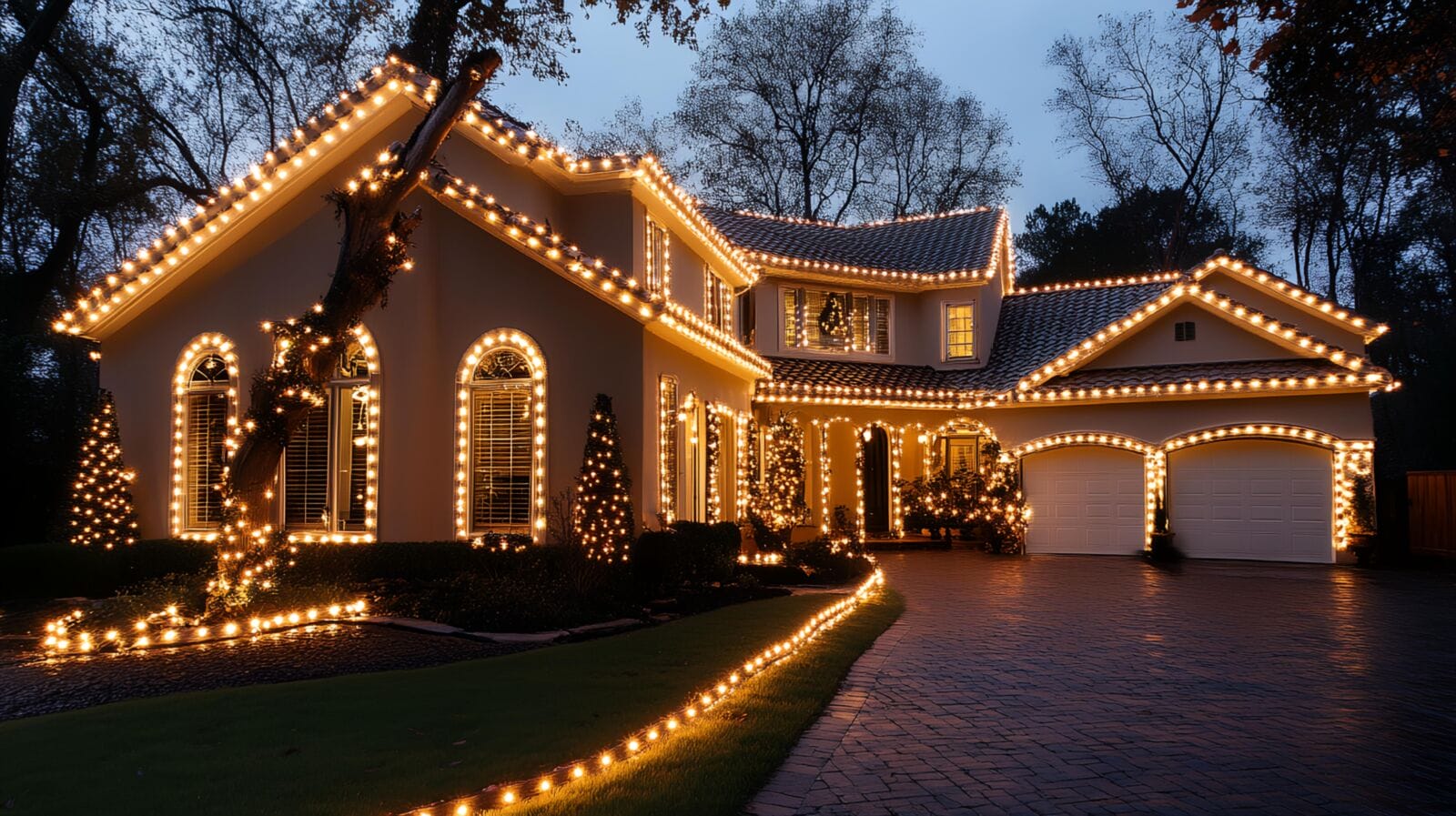
A modest plan often looks more polished than lighting every surface. For example, outlining a front roof edge, framing the doorway, and wrapping one healthy feature tree creates a complete composition while leaving darker areas for contrast.
2. Choose The Right Areas To Light
Look for architectural and landscape elements that naturally guide the eye. Good candidates include rooflines, porch edges, entryways, windows, railings, columns, shrubs, trees, and driveway entrances. Commercial properties may focus on a storefront, a sign area, a patio railing, or a primary pedestrian approach.
Do not feel obligated to decorate every window, fence, and hedge. A display with clear focal points is easier to appreciate from the street and easier to inspect after wet or windy weather.
3. Build A Cohesive Design
Color And Bulb Style
Choose one dominant color family and repeat it across the property. Larger bulbs can define rooflines and broad façades, while mini lights work well around shrubs, railings, and smaller trees. Modern holiday lighting technology also includes LED strands, timers, smart controls, and programmable effects, but a simple layout remains the foundation for good results.
Visual Balance
Keep spacing consistent, especially along fascia boards, railings, and windows. Use one or two focal points instead of competing features. Before securing everything permanently, step back to the sidewalk or street and check whether the display appears balanced from the perspective most neighbors and visitors will have.
4. Measure Before Buying
Measure each lighting zone separately rather than estimating the entire property at once. Record roofline lengths, window perimeters, railing runs, tree trunks, and the distance from each zone to an exterior outlet. Add allowance for corners, drops, turns, and safe connection points.
- Sketch the front of the property on paper.
- Mark outlets, paths, doors, and areas that must remain clear.
- Write down the length needed for each feature.
- Check package specifications for strand length and bulb spacing.
- Buy a modest amount of extra length rather than pulling cords tight.
5. Select Safe Outdoor Equipment
Use equipment intended for exterior conditions. That includes outdoor-rated LED light strands, extension cords, clips made for the mounting surface, exterior-rated timers or smart plugs, and weather-resistant connector covers where appropriate. Inspect every strand before installation. Replace items with cracked sockets, exposed wire, loose plugs, damaged insulation, or signs of moisture intrusion.
Follow the manufacturer’s instructions for connecting light strands and using power accessories. Indoor lights and indoor extension cords are not substitutes for products designed for outdoor use.
6. Plan Power And Operating Times
A power plan prevents messy cord routes and helps avoid overloading a circuit. Assign each section of the display to an outlet or circuit, review the product’s connection limits, and keep plugs away from low spots where water can collect. Ground-fault circuit interrupter protection is particularly important for exterior electrical use.
Set timers so the display operates during the chosen evening hours rather than running overnight. For businesses, multi-unit buildings, and shared properties, consistent hours can help limit glare and reduce disruption for nearby residents.
7. Prepare For Victoria Weather
Victoria’s rain and occasional strong winds make weather planning essential. Do not install lights on wet, icy, or slippery roof surfaces. Avoid routing cords through puddles, secure decorations with clips suited to the material, and inspect the display after periods of strong wind or rain.
- Turn off damaged sections until they are repaired or replaced.
- Check that clips, ties, and connections remain secure.
- Keep tree wraps loose enough to avoid harming branches.
- Leave walkways, stairs, exits, and drainage areas unobstructed.
8. Decide Between DIY And Professional Help
A do-it-yourself approach can work for low, accessible displays with a limited number of strands and easy access to outlets. Professional assistance may be the better choice for steep rooflines, tall peaks, large trees, commercial façades, complex controls, or properties that need maintenance throughout the season.
Hiring experienced help can also simplify the less-visible parts of the project, including custom fitting, discreet wire routing, safe elevated access, post-storm adjustments, removal, and organized storage for the next season.
9. Protect The Property And People Nearby
Place ladders on stable, level ground and keep clear of overhead power lines. Avoid nails or staples that can damage wires. Keep cords away from children, pets, guests, doors, driveways, and stairs, and never block an emergency exit or access route.
Renters, commercial tenants, and residents of strata or homeowners’ association communities should check applicable property rules before attaching lights to shared structures, exterior walls, railings, or common landscaping.
10. Remove And Store Lights Correctly
Plan removal when planning installation. Turn off and unplug the display before taking it down, inspect each strand as it is removed, and label groups by location, such as “front roofline” or “entry tree.” Coil wires loosely, place them in dry containers, and store them away from heat, moisture, and pests. Replacing damaged pieces before next season makes setup faster and safer.
Final Checklist
- Design, viewing angle, and budget selected
- Lighting zones and outlet distances measured
- Outdoor-rated equipment inspected
- Power routes and display hours planned
- Weather and ladder safety considered
- Walkways, exits, and drainage paths kept clear
- Maintenance, takedown, and storage arranged
Conclusion
A polished Victoria holiday light display comes as much from thoughtful restraint as from festive creativity. Measure first, choose a unified style, use weather-ready equipment, and keep power connections and access routes safe. With a plan that accounts for rain, wind, visibility, and seasonal removal, your display can look inviting throughout the holidays without adding avoidable stress.