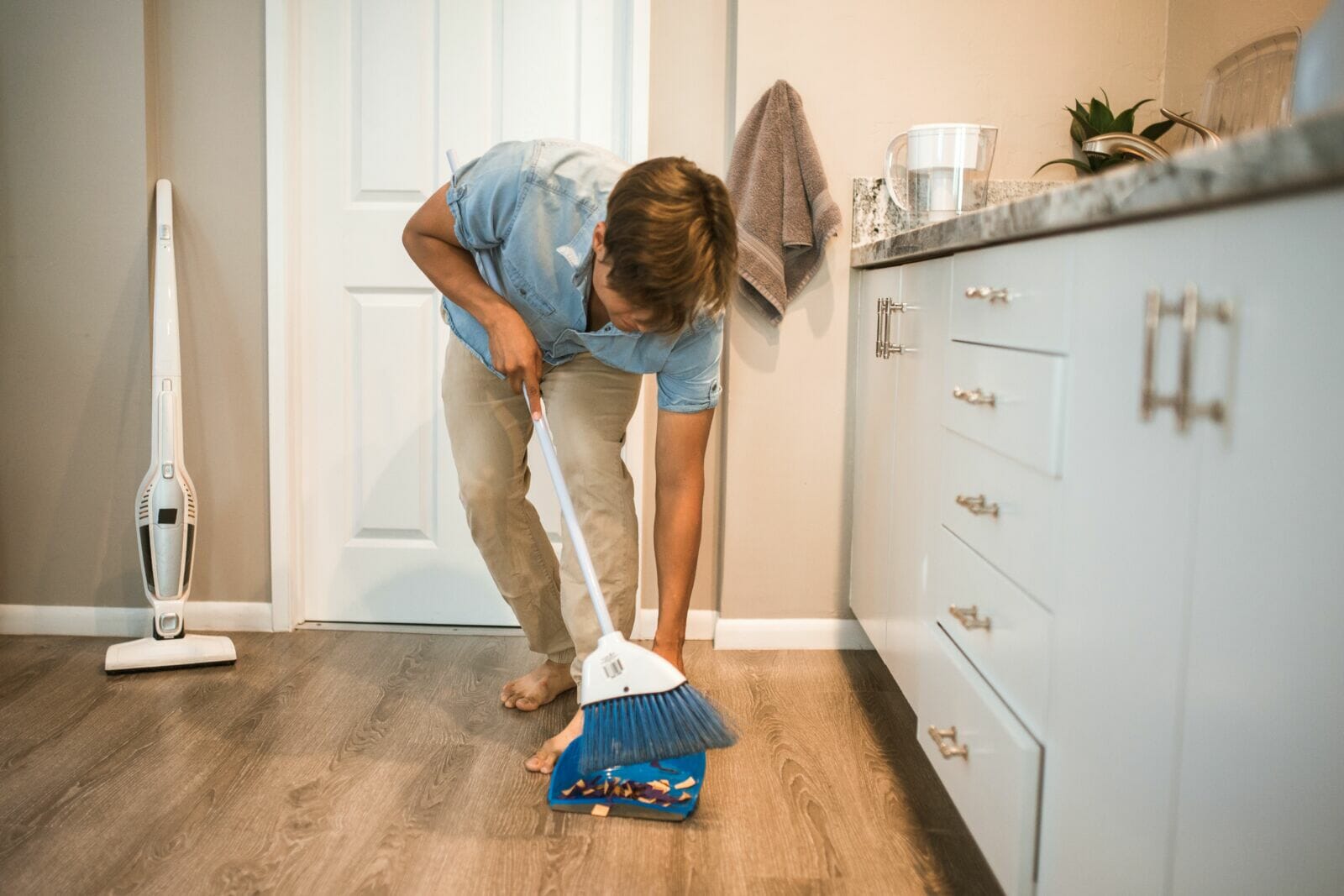
Floors occupy more visible square footage than almost any other surface in a home. Unlike walls, which can be partially obscured by furniture and artwork, or ceilings that tend to fade into the background, floors remain constantly in view. When they begin to show signs of wear, the effects ripple through entire rooms, subtly shifting how spaces feel and function. Understanding this relationship between floor condition and home appearance can help homeowners make informed decisions about maintenance and timing.
The Outsized Role of Floors in Visual Perception
When someone walks into a room, their eyes don’t immediately focus on the floor. Yet the floor establishes the visual foundation for everything else. A worn floor creates a baseline of neglect that makes even well-maintained furniture and fresh paint look slightly off. Conversely, floors in good condition can make modest furnishings appear more intentional and put-together.
This phenomenon has to do with how humans process interior spaces. We register surfaces subconsciously, building an overall impression before consciously examining individual elements. Scratched hardwood, faded laminate, or stained tile all contribute to that first impression, even when visitors couldn’t specifically identify what felt wrong about a space.
The effect becomes more pronounced in homes with open floor plans, where flooring runs continuously through multiple areas. A worn patch in the living room connects visually to the kitchen and dining space, spreading its impact across the entire main level.
Common Wear Patterns and Where They Develop
Floors don’t deteriorate uniformly. Wear concentrates in predictable zones based on foot traffic and furniture placement, creating patterns that become increasingly visible over time.
Entryways and hallways bear the heaviest burden. These transitional spaces see constant traffic, often from shoes carrying outdoor debris. The finish wears thin first in these areas, revealing raw wood or creating dull patches on laminate surfaces. Doorway thresholds develop distinctive arcs where feet pivot during entry and exit.
Kitchen floors show wear in front of sinks, stoves, and refrigerators—anywhere someone stands repeatedly while performing tasks. The triangle between these three points often displays noticeably different coloration or texture than the rest of the room. Spills and cleaning products accelerate deterioration in these zones.
Living areas develop wear patterns around seating arrangements. The paths between sofas and televisions, or from couches to doorways, become visible over years of daily use. Furniture legs create their own damage, leaving indentations or scratches when pieces shift slightly during use.
Stairs present unique challenges. The center of each tread receives concentrated impact, while edges remain relatively pristine. This creates a striped effect that draws attention to the staircase’s condition and can make the entire feature look dated.
MORE NEWS: The 100 Best Doctors in Arizona for 2026
INDUSTRY INSIGHTS: Want more news like this? Get our free newsletter here
How Wear Progresses and Becomes Visible
Floor deterioration follows a fairly predictable timeline, though the speed varies based on material, finish quality, and household activity levels.
Initial wear often goes unnoticed. The protective finish gradually thins, losing its sheen before showing obvious damage. Homeowners acclimate to these slow changes, sometimes not recognizing the extent of wear until comparing current conditions to old photographs or seeing the floor after moving furniture that had protected certain areas.
As the finish wears through, the underlying material becomes vulnerable. Hardwood develops gray undertones where raw wood absorbs dirt and moisture. Laminate shows white scratches where the image layer has been breached. Tile grout darkens unevenly, creating a patchwork appearance.
Deep wear changes how light interacts with the surface. Scratches scatter light rather than reflecting it cleanly, making worn areas appear perpetually dusty or dirty even immediately after cleaning. This phenomenon frustrates homeowners who feel they can never get their floors truly clean.
The Upkeep Challenge with Aging Floors
Maintaining worn floors requires increasingly intensive effort for diminishing returns. Regular cleaning becomes less effective as damage accumulates in scratches and worn finish. Dirt settles into texture that didn’t exist when floors were new.
Homeowners often respond by cleaning more frequently or using stronger products, which can accelerate deterioration. Harsh cleaners strip remaining finish, while excessive moisture penetrates compromised surfaces. The maintenance cycle becomes self-defeating.
Area rugs and runners offer temporary solutions, protecting high-traffic zones while concealing existing damage. However, these additions change the room’s aesthetic and can create their own problems—trapping moisture, causing color variations in the underlying floor, or becoming tripping hazards.
At a certain point, surface-level maintenance reaches its limits. When basic upkeep no longer produces satisfactory results, homeowners face decisions about more substantive interventions. Some explore options like floor refinishing in Waco or similar services in their areas, while others begin researching replacement materials and costs.
Recognizing When Floors Need Attention
Several indicators suggest floors have moved beyond normal wear into territory that affects home appearance. Visible traffic patterns that persist after cleaning represent surface damage rather than dirt. Inconsistent sheen across a room indicates uneven finish wear. Splinters or chips in hardwood, peeling in laminate, or cracked tiles all signal structural deterioration.
The true test often comes during real estate transactions, when outside eyes evaluate the home objectively. What homeowners had normalized as acceptable wear frequently appears more significant to potential buyers or appraisers.
Floors quietly shape how homes feel. Their gradual decline often escapes notice precisely because it happens so slowly. Paying attention to wear patterns, understanding how damage progresses, and recognizing maintenance limits helps homeowners see their floors more clearly—and make thoughtful decisions about addressing what they find.