A place for the ideas that inspire home design, renovation and living. In this section, we cover architecture, real estate and residential innovation, from new design trends to helpful advice for homeowners and business professionals.
Residential design is more than looks now. Today’s architect, builder and homeowner must negotiate a landscape where lifestyle demands, sustainability and utility converge to change the way homes are designed, built and priced.
Perspectives for Builders, Homeowners, and Design Experts
So if you’re planning a renovation, considering a new build or just want to keep up with the latest in domestic design, our coverage provides an honest, editorial take.
We dig deeper than trends to find out what really makes homes work, from material performance and layout efficiency to the long-term value those choices bring property owners.
We talk to the people who shape the built environment – architects wrestling with form and function, builders wrestling with the ever-changing demands of clients, and real estate agents keeping an eye on what buyers really want.
Living Indoors and Outdoors Takes Center Stage
The drive for seamless indoor-outdoor connectivity is one of the most popular design discussions. Door design is crucial to the way homeowners are reconsidering how their living areas give way to patios, courtyards, and gardens.
Operable systems, such as the casement door, provide accurate ventilation control, making them a sensible option for areas where flexibility and airflow are just as important as aesthetics. Homeowners can adjust natural cooling using these settings, which is especially useful in regions with clear seasonal variations.
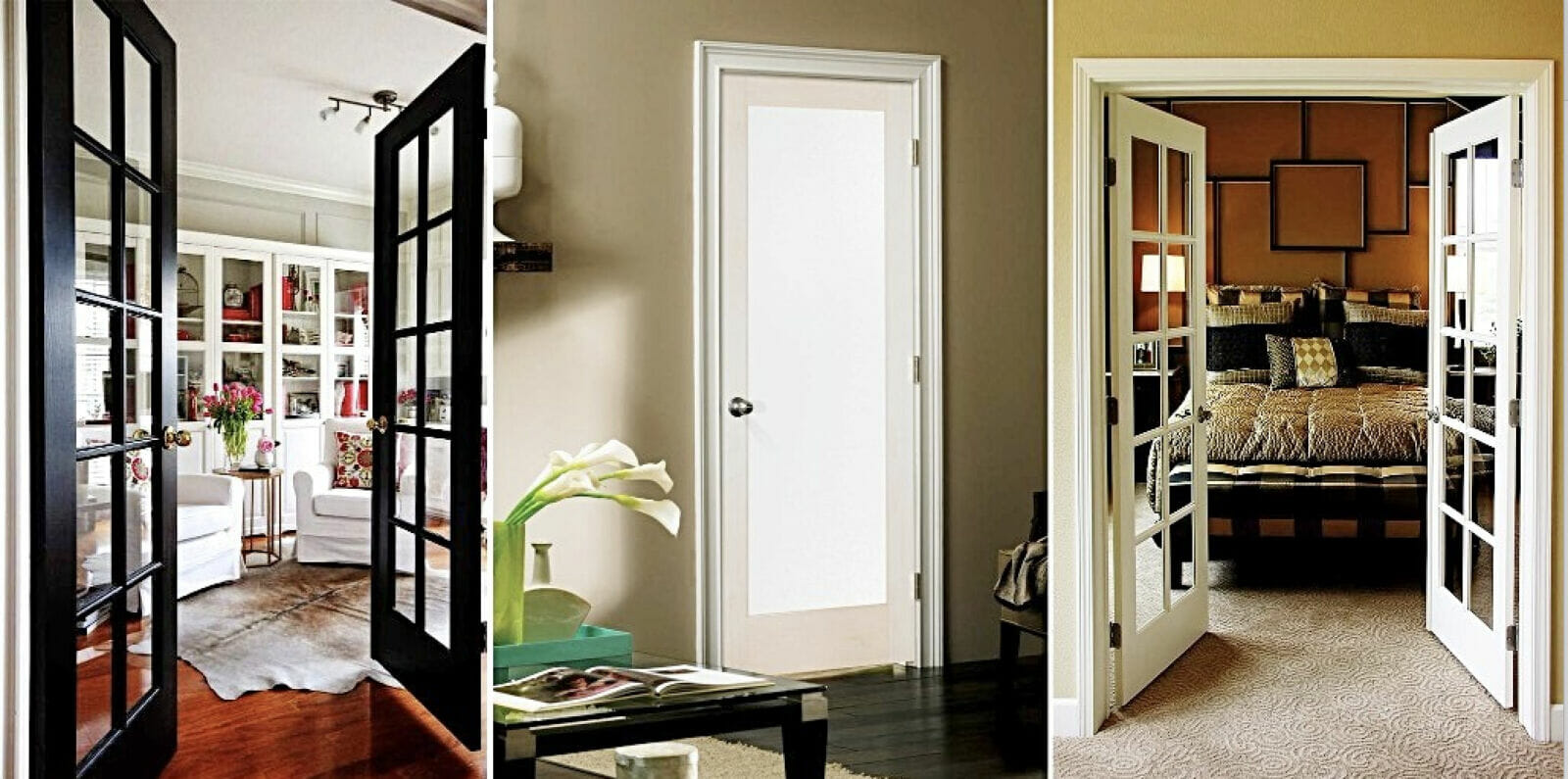
The french door is still the preferred option for architects creating formal transitions between indoor and outdoor living spaces, and wider openings continue to favour traditional designs. It can be used in a variety of architectural styles, from traditional to modern, thanks to its timeless profile and well-balanced proportions.
This increasing focus on connectedness is a reflection of a larger cultural change: outside areas are now essential to how people intend to live in their homes rather than being secondary to their design.
Property Value and Real Estate Trends
We look at how design choices affect long-term investment possibilities, buyer interest, and property value in addition to aesthetics.
Door arrangement and window location are examples of design decisions that used to seem merely aesthetic, but they now play a bigger role in appraisal considerations and buyer negotiations. In competitive areas, properties that provide true indoor-outdoor functionality are attracting more attention.
It is now crucial for both builders and investors to comprehend these evolving objectives in order to make well-informed decisions on the distribution of new construction resources and renovation budgets.
Remodelling and Renovation Advice
We offer useful background on structural issues, permitting procedures, and design decisions that satisfy both function and market expectations for individuals thinking about updating existing homes.
There are obvious chances for significant improvements, especially in older properties. If the work is done with careful planning and reasonable cost, retrofitting outmoded door and window systems can significantly increase a property’s liveability and resale value.
A Continued Discussion
The way people work, socialise, and unwind at home will continue to change residential design. In order to provide readers with intelligent, well-researched viewpoints on the choices influencing the homes of today and tomorrow, this section will continue to monitor such changes.
View our most recent features and design coverage below, which is updated frequently to reflect the future directions of residential architecture.
FAQ
1. What is the main topic of the guide, “Mastering Indoor-Outdoor Living”?
The guide delves into the nexus of residential architecture, real estate and residential innovation. It provides professional insight on today’s design trends, remodelling tips and how a home’s interior is connecting with the outside environment.
2. To whom is this information?
This content is written to be relevant for a broad audience of stakeholders in the residential sector, from homeowners considering renovation projects to professional builders, architects and real estate agents seeking insights into market demands today.
3. What are the current drivers of residential design apart from aesthetics?
The contemporary residential design has been shaped by the collision of lifestyle needs, sustainability requirements and general utility. “Architects and builders are now concerned with how a house works and serves the inhabitant’s daily life, and not only how it looks.
4. Why is indoor-outdoor connectivity such a big trend?
We’re seeing a major cultural shift where outdoor areas such as patios, courtyards and gardens are no longer considered second fiddle but an integral part of the living space. This has created a need for seamless transitions between a home’s interior and exterior.
5. What makes casement doors an advantage?
Casement doors are very popular because the operable systems provide exact control of ventilation. That makes them a great option for homeowners who want the flexibility and natural ventilation of air for cooling purposes, especially in areas with notable changes in seasons.
6. What will continue to shape the future of residential architecture?
As our homes evolve the way we work, socialise and relax, so will the future of home design. The residential architecture will continue to adapt to these changing behavioural patterns in an effort to optimise the home environment.