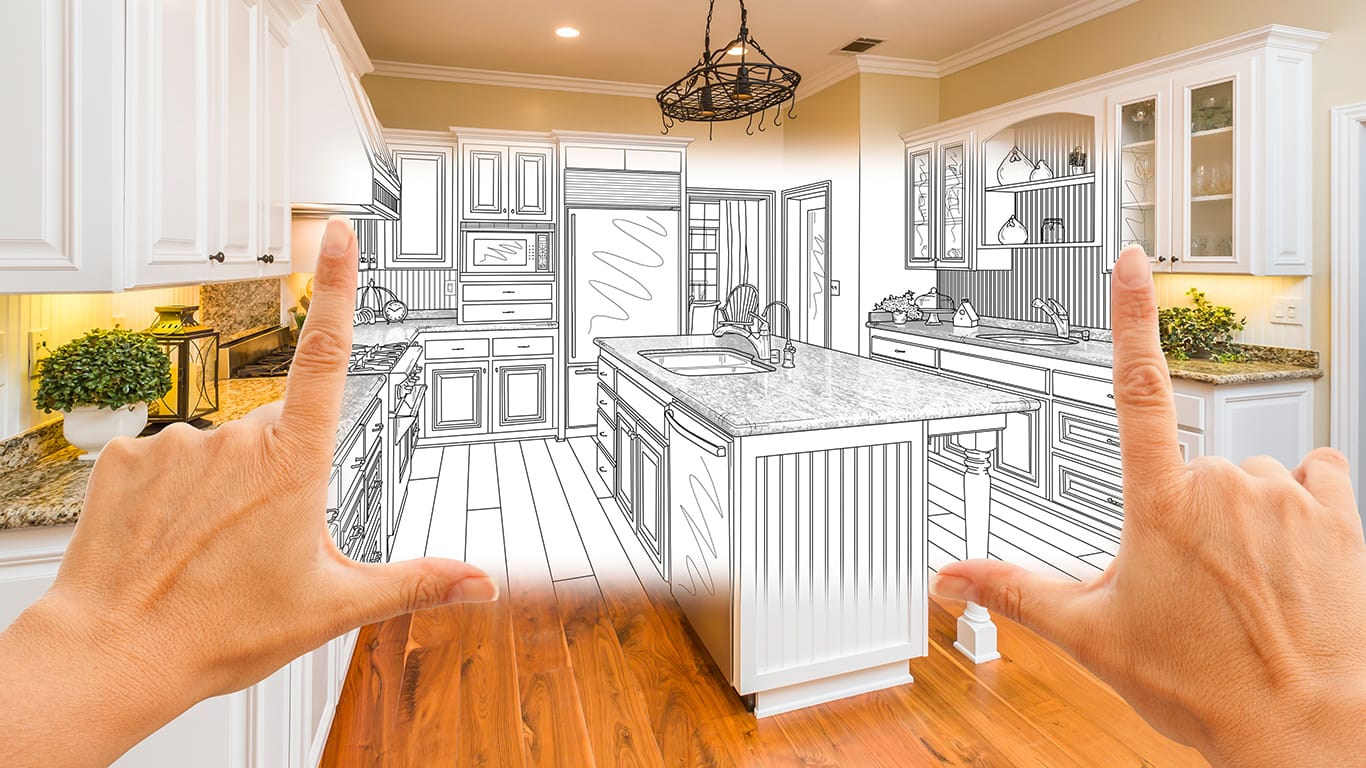
When planning a kitchen renovation, one of the biggest decisions you’ll face is choosing between a modern or traditional design. Your kitchen is more than just a place to cook—it’s the heart of your home. The style you select will influence everything from cabinetry and lighting to layout and overall atmosphere. Understanding the key differences between modern and traditional kitchens can help you decide which aesthetic best suits your lifestyle, taste, and long-term goals.
Modern Kitchen Renovation
A modern kitchen is defined by clean lines, simplicity, and functionality. It focuses on minimalism, smart storage solutions, and a clutter-free appearance.
Key Features of Modern Kitchens
1. Sleek Cabinetry
Modern kitchens often feature flat-panel or slab cabinets with little to no ornamentation. Handleless cabinets or integrated pulls create a seamless look.
2. Neutral Color Palette
Common colors include white, gray, black, and muted tones. Bold accents may be introduced through backsplashes or statement lighting, but overall the look remains restrained.
3. High-Tech Appliances
Modern kitchens embrace innovation. Built-in appliances, smart refrigerators, touchless faucets, and energy-efficient systems are common.
4. Open Layouts
Modern designs frequently integrate the kitchen with dining or living spaces, creating an open-concept environment that feels spacious and airy.
5. Minimal Décor
Decor is kept simple. Instead of ornate details, modern kitchens highlight materials like quartz, stainless steel, glass, and concrete.
Pros of Modern Kitchens
- Easy to clean and maintain
- Maximizes functionality and storage
- Perfect for small spaces due to minimal clutter
- Appeals to contemporary homebuyers
Cons of Modern Kitchens
- Can feel cold or sterile if not balanced properly
- Less decorative detail for those who enjoy classic charm
- Trends may change quickly
Modern kitchens are ideal for homeowners who value efficiency, simplicity, and a forward-thinking aesthetic. If you enjoy clean spaces and cutting-edge design, this style may be right for you.
LEARN MORE: The 15 best public and private high schools in Metro Phoenix
FOOD NEWS: 25 places for great patio dining in Arizona
Traditional Kitchen Renovation
Traditional kitchens focus on warmth, elegance, and detailed craftsmanship. This style draws inspiration from classic European and American design elements.
Key Features of Traditional Kitchens
1. Detailed Cabinetry
Raised-panel cabinets, decorative moldings, and intricate woodwork are hallmarks of traditional kitchens. Cabinet doors often feature elegant carvings or beveled edges.
2. Warm Color Schemes
Traditional kitchens lean toward warm tones such as cream, beige, rich browns, and soft yellows. Natural wood finishes are common.
3. Ornate Fixtures
Lighting fixtures, faucets, and hardware tend to have decorative detailing. Think bronze finishes, chandeliers, and classic pendant lights.
4. Natural Materials
Granite countertops, hardwood flooring, and natural stone backsplashes contribute to a timeless appeal.
5. Defined Spaces
Unlike modern open-concept kitchens, traditional layouts may separate cooking, dining, and living areas more distinctly.
Pros of Traditional Kitchens
- Timeless and elegant appearance
- Warm and inviting atmosphere
- Strong resale value due to classic appeal
- Allows for decorative personalization
Cons of Traditional Kitchens
- More intricate details mean more cleaning
- Can feel heavy or crowded in small spaces
- May appear dated if not carefully designed
Traditional kitchens are perfect for homeowners who appreciate craftsmanship, comfort, and enduring style. If you love decorative touches and a cozy ambiance, this option may suit you best.
Comparing Modern and Traditional Kitchens
1. Aesthetic Appeal
Modern kitchens emphasize simplicity and minimalism. Traditional kitchens highlight detail and character. Your personal design preference plays a major role here.
If you prefer uncluttered spaces and sleek surfaces, modern is ideal. If you enjoy ornate details and warmth, traditional is a better fit.
2. Functionality
Both styles can be functional, but modern kitchens typically prioritize efficiency and innovative storage solutions. Pull-out drawers, hidden compartments, and integrated appliances are common in modern designs.
Traditional kitchens can also be practical, but their focus is more on design detail than technological integration.
3. Budget Considerations
Modern kitchens can sometimes be more affordable due to simpler cabinet designs. However, high-end appliances and premium materials can increase costs.
Traditional kitchens often require skilled craftsmanship and detailed millwork, which may raise installation expenses.
4. Maintenance
Modern kitchens are generally easier to clean due to flat surfaces and minimal detailing. Traditional kitchens require more upkeep because of grooves, moldings, and decorative features that collect dust.
5. Longevity
Traditional designs tend to remain stylish over decades because of their classic appeal. Modern kitchens may evolve with trends, though high-quality modern design can also stand the test of time.
Can You Combine Both Styles?
Absolutely. Many homeowners opt for a transitional kitchen, blending modern functionality with traditional warmth.
For example:
- Shaker cabinets (simple yet classic)
- Neutral tones with subtle decorative molding
- Modern lighting paired with warm wood flooring
- Quartz countertops with traditional-style hardware
This hybrid approach provides balance, offering the best of both worlds.
How to Decide Which Style Is Right for You
Ask yourself the following questions:
1. What is your home’s existing architecture?
A sleek, contemporary home may suit a modern kitchen, while a heritage-style house may align better with traditional elements.
2. How do you use your kitchen?
If you cook frequently and value efficiency, modern layouts may be beneficial. If your kitchen is a gathering space for family dinners and entertaining, traditional warmth might feel more inviting.
3. What atmosphere do you want to create?
Modern kitchens feel streamlined and sophisticated. Traditional kitchens feel cozy and welcoming.
4. Are you renovating for resale?
Both styles can attract buyers, but neutral modern kitchens often appeal to younger audiences, while traditional kitchens attract those who appreciate classic design.
Final Thoughts
Choosing between a modern and traditional kitchen renovation ultimately comes down to personal preference, lifestyle needs, and long-term vision. Modern kitchens offer sleek sophistication and practicality, while traditional kitchens provide timeless elegance and warmth.
If you’re still unsure, consider visiting showrooms or consulting with a design professional to visualize how each style would look in your space. Your kitchen renovation in Toronto is a significant investment—selecting a style that resonates with you will ensure you enjoy the space for years to come.
Whether you lean toward the crisp lines of modern design or the refined charm of traditional aesthetics, the right kitchen is one that feels like home.