A heat pump proposal should explain three connected decisions: what the house needs, which existing components can remain, and how the contractor will check the completed installation. Product Air Heating, Cooling and Electric describes an assessment process that gives Everett homeowners a basis for understanding those decisions before comparing equipment or price.
Co-founder Serg Nikolin says Product Air trains technicians to understand the homeowner’s goal, inspect the current system, establish equipment age, and check warranty status. For an Everett homeowner, that order helps distinguish a fault in existing equipment from a project intended to change the home’s heating and cooling arrangement.
Product Air Distinguishes Equipment Replacement From a New Distribution System
Replacing equipment and creating a new way to distribute heating and cooling involve different scopes. Nikolin explains that a home with usable infrastructure presents a different project from a house needing new ductwork or multiple ductless units. A proposal should identify which components remain and which components the installation changes.
The U.S. Department of Energy describes ducted and ductless heat pump options. Both can move heat between the house and the outdoors, but the way conditioned air reaches individual rooms differs. The existing duct system therefore belongs in the assessment rather than becoming an automatic assumption.
Nikolin summarizes a common residential category in his published discussion: “Most residential homes use air-to-air.” That category still leaves important choices about room coverage and the equipment arrangement. The homeowner needs those choices explained in terms of the house.
Product Air Lists Checks Beyond Equipment Selection
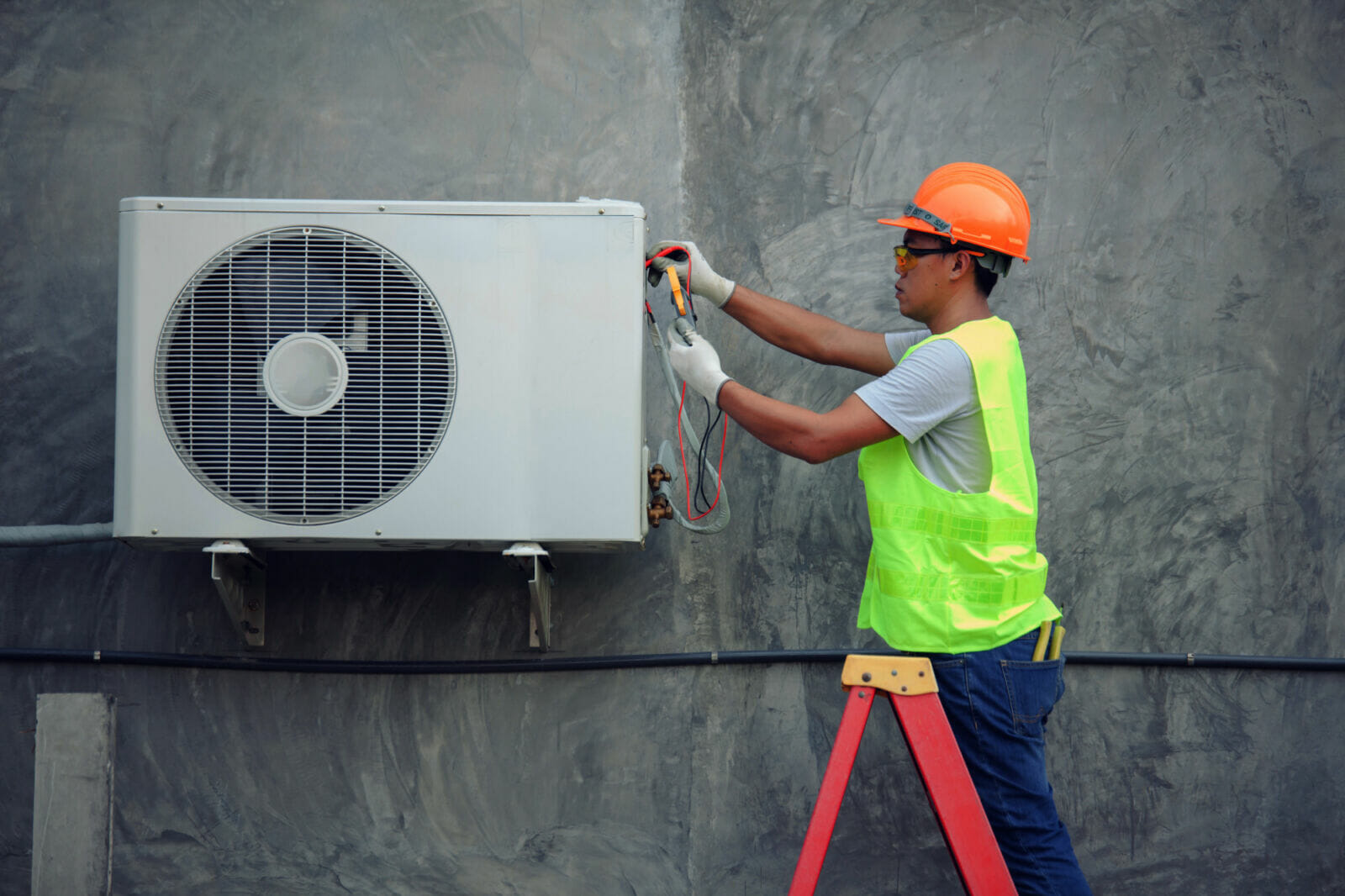
Product Air’s Everett installation process includes load calculations, airflow balancing, refrigerant checks, thermostat configuration, and performance testing. A load calculation estimates the home’s heating and cooling requirements. The later checks address how the selected equipment operates once the contractor has installed the system.
Homeowners reviewing heat pump installation in Everett can use that process to ask how the proposal addresses the entire job. The contractor should explain the planned room coverage, the work required, and the checks that will establish whether the installation operates as intended.
ENERGY STAR’s buying guidance also emphasizes correct equipment sizing. A larger model does not automatically solve uneven comfort. The selection needs to follow the home’s assessed requirements, with any limitations in the existing distribution system explained alongside it.
Repair and Replacement Need Clearly Defined Scopes
Product Air’s assessment process gives the homeowner a basis for discussing repair and replacement. Nikolin describes technicians explaining the current system’s condition and what would be needed to meet the household’s goals. For an Everett proposal, that explanation should identify which equipment remains and what the agreed work will change.
The written options should distinguish a repair to existing equipment from a replacement and any additional work needed for the selected arrangement. Different scopes can address different goals: restoring operation, adding cooling, or changing room coverage. A homeowner should be able to understand those differences before comparing the quoted totals.
A full-system estimate and a proposal that replaces only part of the equipment do not describe the same project. Comparing the included work makes that distinction visible. The relevant figure is the price for the agreed scope, with an explanation of what the contractor will install, retain, and check.
Electrical Work Should Appear in the Installation Scope
Product Air’s assessment can identify electrical work needed for the selected equipment. Nikolin says a larger electrical service is not necessary in every older home. Capacity, available circuits, and the assessed condition of the existing system shape the recommendation.
The proposal should explain any recommended upgrade and include the associated work. When two bids differ, the homeowner can ask whether both contractors have included the same electrical requirements. That conversation helps expose a scope difference before the household commits to an installation.
Homeowner Feedback Adds Context to the Design Conversation
Product Air’s published customer feedback includes a heat pump installation prepared for future expansion. The customer valued the ability to add coverage later. For an Everett homeowner planning an addition, the relevant question is what the proposed configuration can support and what the next phase would require.
Product Air’s approach leaves the homeowner with options that follow from an assessment. A useful proposal should let the household explain the choice in plain language: which comfort problem the work addresses, which components remain, and how the contractor will verify the completed system.
Frequently Asked Questions
Can Product Air Service Equipment From Other Brands?
Nikolin says Product Air services major HVAC brands beyond the manufacturers the company commonly installs. Homeowners should identify the existing equipment when requesting an assessment. The service team can then discuss the problem and the proposed work without treating a different brand as an automatic reason for replacement.
Does Product Air Offer Maintenance After Installation?
Product Air lists heat pump maintenance among its services. Homeowners can ask what care the selected system requires and what a maintenance visit includes. The installation proposal and equipment documents should explain relevant requirements so the household understands the responsibilities that continue after the contractor finishes the project.
Can a Heat Pump Provide Both Heating and Cooling?
An air-source heat pump can heat and cool a home by moving heat in opposite directions during the two seasons. The home’s requirements still determine the appropriate equipment and distribution arrangement. Homeowners adding cooling should discuss winter comfort as part of the same system decision.
Should One Customer’s Installation Schedule Set Expectations for Another?
A published project schedule describes that individual job. A new installation has its own scope, equipment requirements, and scheduling constraints. Homeowners should confirm the planned start, expected work duration, and communication arrangements for their proposal rather than infer availability from an earlier customer account.