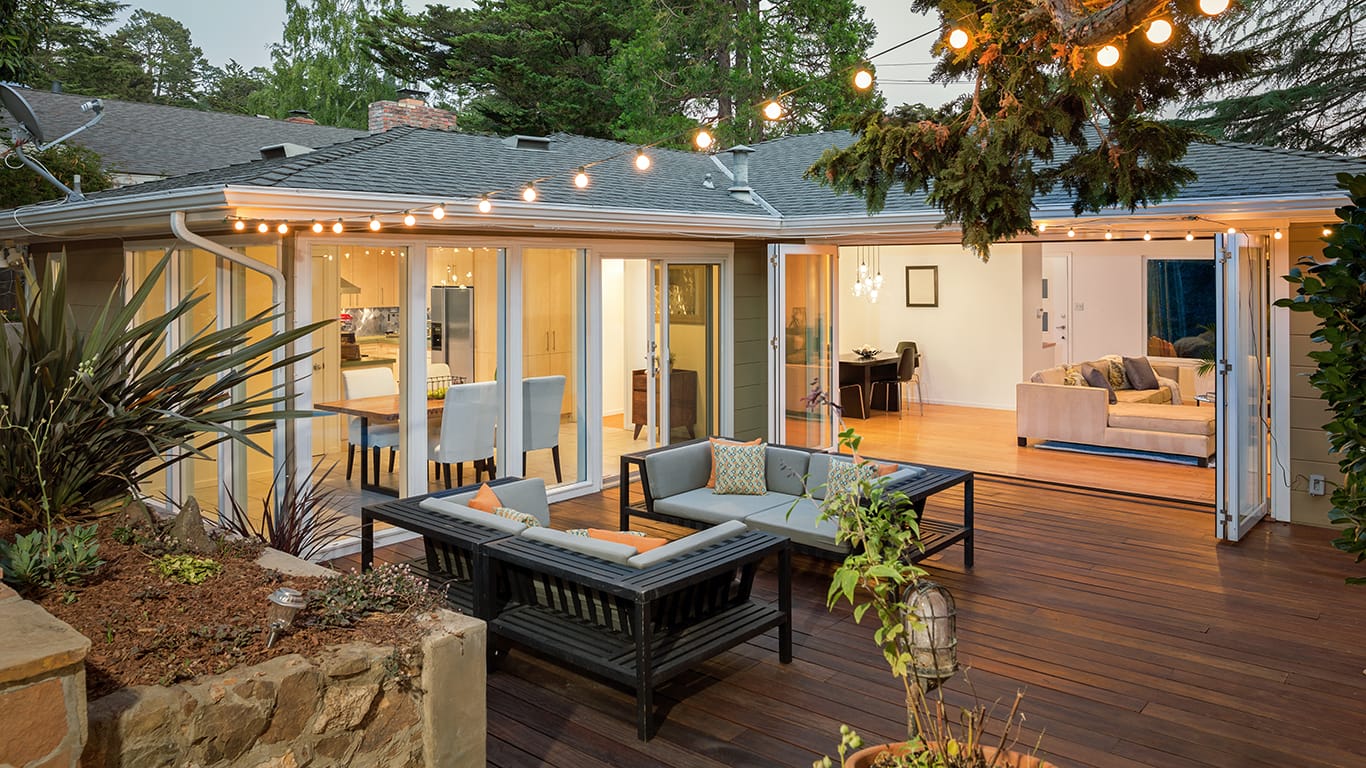
The right patio door can change more than the appearance of a room. It can influence how natural light enters the home, how furniture is arranged, how easily family members move between indoor and outdoor spaces, and how often a patio or deck is actually used. For homeowners creating a stronger connection between their living areas and the outdoors, two options consistently stand out: sliding and French patio doors. Both offer attractive benefits, but they create very different experiences.
Choosing between them requires more than comparing styles in a showroom. Sliding doors move horizontally along a track, while French doors swing open on hinges. That basic difference affects space requirements, ventilation, accessibility, views, maintenance, and everyday convenience. By considering how each design performs in a real home, homeowners can make a decision that complements both their lifestyle and the architecture of their property.
How Sliding and French Patio Doors Work
Sliding patio doors are designed to move horizontally along a track. A common configuration includes one stationary glass panel and one panel that slides behind it, although larger systems can include multiple moving panels. Because the panels remain within the doorway rather than swinging into a room or patio, sliding doors require very little clearance.
This space-saving characteristic makes sliding patio doors especially useful in rooms where furniture sits close to the opening. A sofa, dining table, kitchen island, or outdoor seating area does not necessarily need to be moved every time the door is opened. The design can therefore work particularly well in compact rooms or homes where maximizing usable floor space is important.
French patio doors operate on hinges and generally consist of two panels that meet in the middle. Both panels can open to create a wide passage, providing a more traditional doorway experience. However, the doors require a clear swing path. Depending on whether they open inward or outward, homeowners must account for furniture or fixtures inside the home and outdoor obstacles such as railings, planters, or patio furniture.
Comparing Space and Everyday Convenience
One of the clearest advantages of a sliding design is that it does not consume additional floor space when opened. The panel simply moves sideways, allowing the surrounding area to remain available for furniture and foot traffic. This can make a meaningful difference in smaller living rooms, dining areas, kitchens, and apartments.
French doors require more planning because their panels move through an arc. An inswing configuration takes up interior floor space, while an outswing configuration requires sufficient room on the patio or deck. Before installation, homeowners should consider exactly where the door panels will travel and whether anything could obstruct them.
Everyday traffic should also influence the decision. Consider a household where people regularly carry meals from the kitchen to an outdoor dining area or move in and out while entertaining. A door that is easy to operate and does not interfere with nearby furniture can make those routines considerably smoother. In this respect, the best choice is often the one that works naturally with the existing layout rather than the one that simply looks most appealing.
Natural Light and Outdoor Views
Both styles can introduce substantial amounts of glass into a home, making them effective for increasing daylight and improving views. However, their visual character can be quite different. Sliding patio doors often provide expansive glass surfaces with relatively clean sightlines. When closed, they can give a room the appearance of having a large window overlooking the yard. This can be especially appealing when the property has a garden, landscaped backyard, pool, or scenic outdoor area that homeowners want to emphasize.
French doors create a more traditional architectural appearance. Their frames and central meeting point can add visual detail and symmetry to a room. They can complement homes with classic, farmhouse, Craftsman, or transitional design elements, although modern versions are also available for contemporary interiors.
The choice therefore depends partly on the desired visual effect. Homeowners who want the outdoor landscape to remain the dominant feature may prefer the broad glass appearance of a sliding system. Those who want the patio door itself to contribute more architectural character may appreciate the defined framing of French doors.
Ventilation and Indoor-Outdoor Living
Ventilation is another important consideration, particularly for homeowners who enjoy opening their homes during mild weather. French doors can open both panels simultaneously, creating a wide passage between the interior and exterior. This can encourage airflow and make an outdoor entertaining area feel like a natural extension of the living space.
Traditional sliding configurations typically allow one panel to move while the other remains stationary. This means the open area is usually smaller than the total width of the closed door. However, larger sliding systems can include multiple panels and much wider openings, giving homeowners additional design possibilities.
Think about how the patio will actually be used. If the goal is to create a dramatic opening for entertaining, a wide French configuration may be appealing. If the priority is being able to leave a door partially open while maintaining efficient use of the surrounding space, a sliding system may be more practical.
Energy Efficiency and Overall Performance
Energy performance should be evaluated based on the specific door rather than its basic operating style. Modern patio doors can incorporate insulated glass, low-emissivity coatings, improved weatherstripping, and energy-efficient frame materials. ENERGY STAR recommends looking at independently verified performance characteristics when evaluating windows and doors, while National Fenestration Rating Council ratings provide standardized information that can help homeowners compare products.
The glass is particularly important because large patio doors can represent a substantial portion of an exterior wall. Factors such as glazing type, U-factor, solar heat gain coefficient, and air leakage can influence comfort and energy use. The appropriate specifications can vary depending on the home’s climate and orientation.
Installation is equally important. Even a high-performance door can experience drafts, water intrusion, or operational problems if the opening is improperly prepared or the unit is poorly installed. Homeowners should therefore evaluate the complete system, including the frame, glass, seals, hardware, and installation quality, rather than choosing solely based on appearance.
Style and Architectural Compatibility
A patio door should look like part of the home rather than an afterthought. French doors often provide a stronger decorative element because of their proportions, framing, and hinged design. They can reinforce traditional architectural details and create a more formal transition between the interior and exterior.
Sliding doors tend to have a streamlined appearance. Their large glass panels can work especially well with modern, contemporary, and open-plan interiors where clean lines and unobstructed views are important. They can also complement more traditional homes when selected with an appropriate frame, color, and grille pattern.
Material selection further affects the final result. Depending on the manufacturer, homeowners may choose from options such as vinyl, fiberglass, aluminum, wood, or composite materials. Each has different characteristics relating to appearance, durability, maintenance, insulation, and price. The best material is one that suits both the home’s architectural style and the conditions the door will experience.
Maintenance, Security, and Long-Term Use
Like any frequently used exterior feature, patio doors require some maintenance. Sliding systems rely on tracks and rollers, which can collect dirt and debris. Keeping the track clean and checking the rollers periodically can help preserve smooth operation. Worn weatherstripping or hardware may eventually need replacement.
French doors have their own maintenance considerations, including hinges, seals, locks, and alignment. Because both panels are hinged, keeping the hardware properly adjusted can be important for reliable operation. Regular inspection can help identify small problems before they become more difficult to correct.
Security should also be evaluated at the product level. Modern sliding and French doors can feature improved locking systems, reinforced construction, and other security features. Rather than assuming one style is automatically safer, homeowners should compare the locking hardware and construction of the specific products they are considering.
Which Door Fits Your Home?
The decision becomes much easier when homeowners begin with the practical requirements of the room. If available floor space is limited, sliding doors offer an important advantage because the panels do not swing into the living area or patio. They can also provide broad views and a streamlined appearance.
French doors may be better suited to homeowners who prioritize a traditional architectural appearance and a wide opening when both panels are open. They can create an attractive transition to a patio or garden and may provide strong ventilation during pleasant weather. However, their swing path must be carefully planned.
The surrounding architecture, furniture arrangement, patio dimensions, climate, maintenance expectations, and household routines should all be considered. Looking at the complete picture prevents homeowners from choosing a door based solely on appearance and discovering later that the operation does not suit the space.
Conclusion: Choosing the Right Connection to the Outdoors
Sliding and French patio doors can both create a beautiful connection between a home and its outdoor spaces, but they achieve that goal in different ways. Sliding doors prioritize efficient use of space, expansive glass, and simple horizontal operation. French doors emphasize architectural character, a wide hinged opening, and the ability to open both panels for a stronger indoor-outdoor transition.
The right choice ultimately depends on the home’s layout and the homeowner’s priorities. A compact room with furniture close to the doorway may benefit from the space-saving operation of a sliding system, while a larger room with generous clearance may be well suited to French doors. Energy performance, security, materials, installation quality, maintenance, and long-term usability should also be part of the decision.