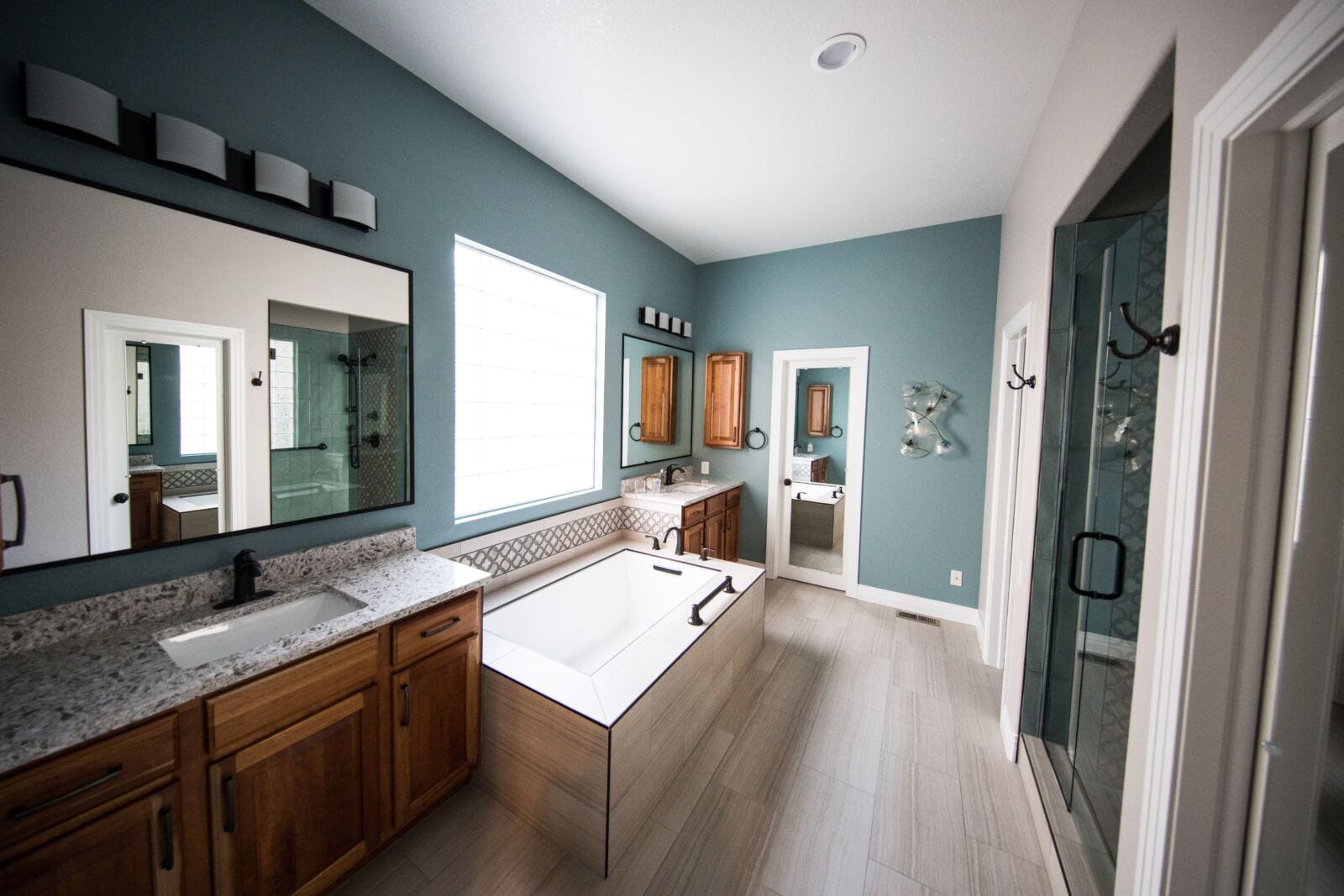
A bathroom remodel can change far more than the look of one room. Done well, it can improve storage, lighting, comfort, accessibility, and everyday routines. That matters in Glastonbury, where 83.2% of housing units are owner-occupied, and the median value of owner-occupied homes was $445,200 for 2020–2024. For homeowners thinking carefully about renovation dollars, the bathroom is often a practical place to start. A clear plan also helps prevent expensive mid-project changes because decisions about layout, fixtures, lighting, and materials are made before demolition begins.
Start With the Friction You Notice Every Day
The best remodels solve problems that already exist. Maybe the vanity blocks a walkway, the shower feels cramped, or the only light source casts shadows exactly where you do not want them.
Spend a few days paying attention to how the room is used. Notice what collects on the counter, where people bump into one another, and which features are awkward to clean.
A bathroom does not have to be larger to work better. A shallower vanity, a better door swing, or drawers instead of deep cabinets can make a surprising difference.
Let the Layout Do the Heavy Lifting
Moving plumbing can increase cost and complexity, so it is worth asking whether the existing layout can be improved before everything is relocated.
Keeping major fixtures roughly where they are can free more of the budget for waterproofing, lighting, storage, or better finishes.
A Glastonbury bathroom remodeling company can help homeowners rethink layout, storage, lighting, and fixture placement so the space works better for everyday routines. The strongest remodels usually start by solving practical problems first, then build the visual design around those improvements.
DEEPER DIVE: Here are Arizona’s Most Admired Companies of 2026
Spend on the Parts That Are Hard to Redo
Tile colors and faucet finishes are easy to notice, but hidden work often determines whether a remodel lasts.
Waterproofing, ventilation, plumbing, electrical work, and subfloor repairs are not glamorous line items.
Once walls or flooring are opened, moisture damage or outdated systems can change the scope. Leaving room in the budget for surprises is usually smarter than spending every available dollar on visible upgrades.
A beautifully finished room has far less value if water finds its way behind the walls a year later.
Choose Materials for Real Life
Bathrooms deal with water, steam, cleaning products, wet feet, and constant use. Materials should be chosen with that reality in mind.
Porcelain tile handles moisture well, while quartz can be practical for vanity tops because it requires relatively little maintenance. Hardware, grout, paint, and cabinetry also need to cope with humidity rather than simply look good on installation day.
Think about cleaning too. Highly textured surfaces, lots of grout lines, and delicate finishes can create more maintenance than expected.
A finish that looks striking in a showroom may feel much less impressive when keeping it spotless becomes part of the weekly routine.
Make Lighting and Storage Feel Intentional
Lighting and storage can make a bathroom feel much more comfortable without making it more extravagant.
A single ceiling fixture often leaves the room technically bright but functionally poor. Layering general light with mirror-level task lighting usually works better, while dimmers can make early mornings and late nights less harsh.
When considering bathroom design choices centered on comfort and wellness, think about how better lighting, easier movement, and a calmer environment would affect the way the room feels every day.
Storage should follow real habits. Deep drawers can be easier to use than cavernous cabinets, while recessed niches and medicine cabinets can reduce clutter without taking up floor space.
Think About Value Without Designing for a Future Buyer
Resale value matters, but the bathroom should still work for the people using it now.
Neutral, durable finishes generally have broader appeal, but that does not mean the room has to look generic. Personality can live in paint, mirrors, hardware, or accessories, while larger installed surfaces stay more flexible.
When thinking about how remodeling choices can affect return on investment, compare the cost of each upgrade with the practical benefit it adds. A thoughtful midrange renovation can sometimes make more sense than an elaborate project filled with expensive features that do little to improve daily use.
Plan for the Next Stage of Life
A bathroom can become difficult to use long before the rest of a home does.
A low-threshold shower, better lighting, slip-resistant flooring, sensible storage heights, and enough room to move comfortably can make the space easier for children, guests, injured family members, and older adults.
These features do not have to make a bathroom look clinical. Good design can quietly improve accessibility without calling attention to it.
Thinking ahead is useful during a major remodel because changing those elements later may mean reopening walls or replacing recently installed materials.
Know Where the Budget Should Not Be Cut
There are places to economize and places where shortcuts tend to become expensive.
Decorative mirrors, accessories, and some finish choices can often be adjusted to suit the budget. Waterproofing, ventilation, qualified electrical work, and proper installation are different. Saving money there can create repairs that cost far more than the original upgrade.
Clear estimates matter too. Instead of comparing only the final number, look at what each proposal includes. Permits, fixtures, labor, disposal, and finishing work can make two similar-looking quotes very different.
The cheapest proposal is not necessarily poor, but it should be clear why it costs less.
Make the Room Better to Live With
A worthwhile bathroom remodel should make ordinary routines easier. It should give everyday items somewhere to go, provide useful light, handle moisture properly, and feel comfortable without demanding constant upkeep.
The best results often come from decisions that are not dramatic: a drawer that opens where you need it, a shower that is easier to enter, a fan that clears steam, or lighting that works at six in the morning.
A beautiful bathroom is a welcome outcome, but appearance alone is not what makes the project worth the investment. The real value comes from creating a room that works better today, holds up over time, and still makes sense as the household changes.