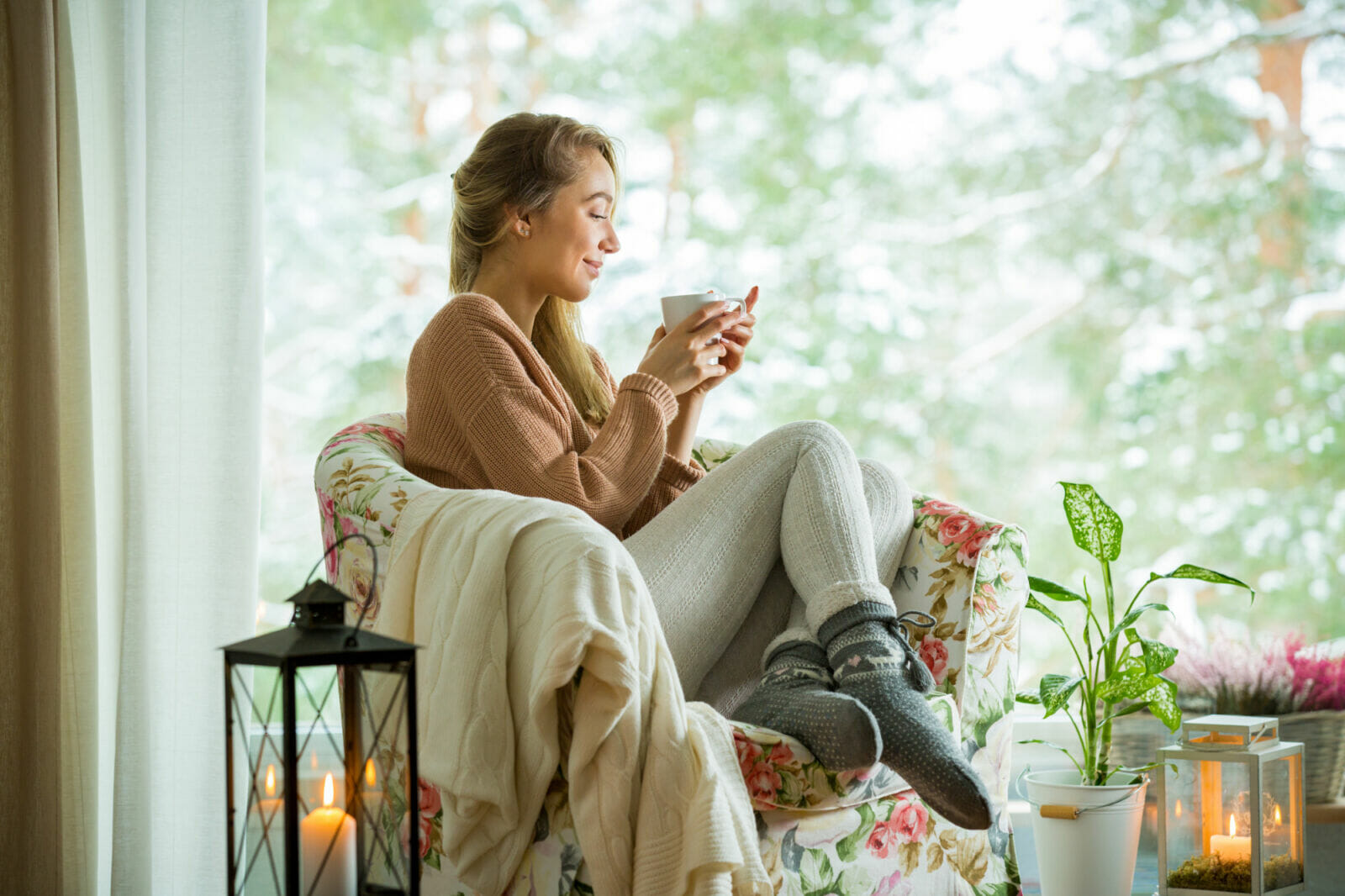
Your home is more than just a place to sleep and eat—it’s a reflection of your personality, a sanctuary from the outside world, and a space that profoundly affects your mood and well-being. While major renovations might seem like the only way to transform your living space, the truth is that small, thoughtful touches can completely shift the atmosphere of your home without breaking the bank or requiring extensive construction work.
The Power of Strategic Lighting
Lighting is perhaps the most underestimated element in home design, yet it has an extraordinary ability to alter how we perceive and feel in a space. Natural light flooding through windows can make rooms feel larger and more inviting, but when natural light isn’t available, artificial lighting becomes crucial. According to Hunter Fan Company, “proper lighting can improve mood, enhance productivity, and even affect sleep patterns,” making it one of the most impactful changes you can implement.
Consider layering your lighting by incorporating ambient, task, and accent lighting in each room. Swap out harsh overhead lights for warm-toned bulbs, add dimmer switches to control intensity throughout the day, or introduce table lamps and floor lamps to create cozy pockets of illumination. Studies show that homes with varied lighting sources feel more dynamic and comfortable, with research from the American Lighting Association indicating that people spend approximately 90% of their time indoors, making quality lighting essential for overall well-being.
Textural Elements That Transform Spaces
Texture adds depth and interest to any room, creating visual and tactile appeal that makes spaces feel intentionally designed rather than merely furnished. Introducing different textures through throw pillows, blankets, rugs, or curtains can instantly elevate a room’s sophistication. A chunky knit throw draped over a leather sofa, velvet cushions against linen upholstery, or a jute rug beneath a glass coffee table creates contrast that catches the eye and invites touch.
The beauty of textural changes lies in their flexibility and affordability. You don’t need to replace furniture or repaint walls—simply adding a woven basket for storage, switching out smooth cotton curtains for textured linen, or placing a faux fur throw on your reading chair can completely refresh a room’s character. Interior designers consistently report that homes with varied textures feel more expensive and thoughtfully curated than those with uniform surfaces.
MORE NEWS: The 100 Best Doctors in Arizona for 2026
INDUSTRY INSIGHTS: Want more news like this? Get our free newsletter here
Color Psychology in Small Doses
You don’t need to repaint entire rooms to harness the psychological effects of color. Small color injections through accessories, artwork, or plants can dramatically influence how a space feels. Research in environmental psychology has demonstrated that colors affect human emotions and behaviors, with blues and greens promoting calmness and relaxation, while yellows and oranges can energize and uplift mood.
Consider your desired atmosphere for each room and introduce colors accordingly. A vibrant piece of abstract art, colorful book spines arranged intentionally on shelves, or even fresh flowers in bold hues can serve as focal points that shift the entire room’s energy. The key is intentionality—rather than randomly scattering colors throughout your home, choose a cohesive palette that resonates with your desired aesthetic and emotional response.
The Impact of Scent and Sound
While visual elements dominate home design discussions, sensory experiences beyond sight play crucial roles in creating ambiance. Scent has a direct pathway to the brain’s emotional center, making it incredibly powerful for establishing mood. Candles, essential oil diffusers, or even fresh herbs in the kitchen can transform how your home feels the moment you walk through the door.
Similarly, sound influences our perception of space. A small tabletop fountain provides soothing water sounds, while a quality speaker system allows you to fill rooms with music that matches your mood or activity. Even the simple act of opening windows to let in natural sounds—birds chirping, leaves rustling, gentle rain—can make your home feel more connected to the natural world and promote relaxation.
Intentional Decluttering and Organization
Sometimes the most transformative touch isn’t adding something new but removing what no longer serves you. Clutter creates visual noise that increases stress levels and makes spaces feel chaotic. Research from Princeton University’s Neuroscience Institute found that physical clutter competes for attention, decreasing performance and increasing stress.
Strategic organization doesn’t mean sterile minimalism—it means being intentional about what you display and how you store items. Beautiful storage solutions like woven baskets, decorative boxes, or floating shelves can keep necessities accessible while maintaining visual calm. When every item has a designated place and surfaces aren’t overwhelmed with objects, rooms instantly feel more spacious, peaceful, and welcoming.
Bringing Nature Indoors
Incorporating natural elements—whether living plants, dried flowers, wooden accents, or stone objects—creates an immediate connection to the outdoors that humans instinctively find calming. Plants improve air quality while adding color, texture, and life to any room. Even low-maintenance options like succulents or snake plants can significantly impact a space’s vibe.
The transformation of your home doesn’t require massive investments or professional help. By thoughtfully implementing these small touches, you can create a space that truly feels like home—one that supports your well-being, reflects your personality, and welcomes both you and your guests with warmth and intention.