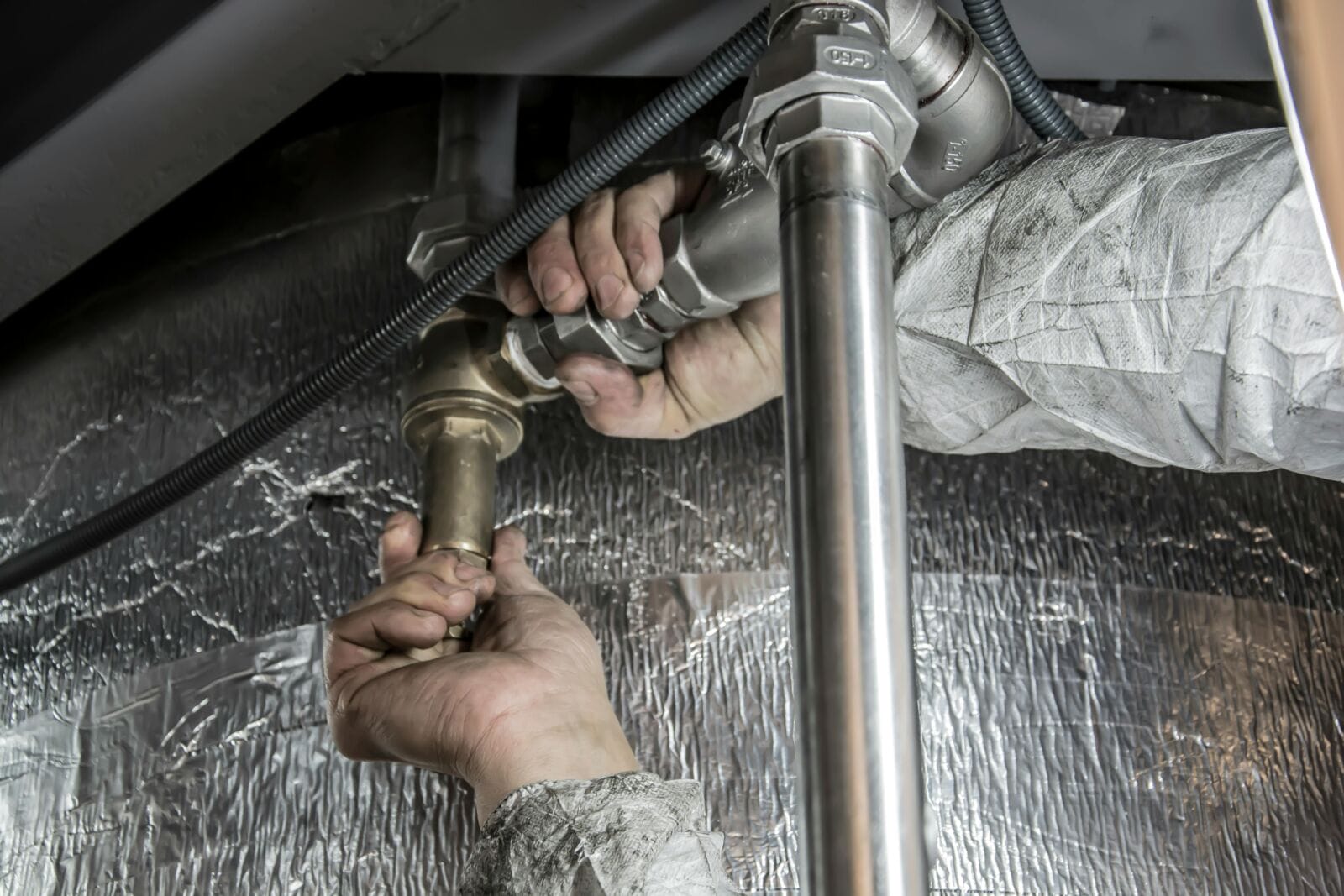
Most plumbing emergencies do not arrive out of nowhere. They usually give a few warnings first: a slow drain, a gurgling toilet, a faucet that will not stop dripping, a water heater making strange noises, or a tiny stain on the ceiling that everyone in the house politely pretends not to notice. The good news is that many expensive plumbing problems can be prevented with basic awareness, routine maintenance, and timely professional plumbing services when something seems off.
This does not mean every homeowner needs to become a part-time plumber. Nobody is suggesting you spend your weekends reading pipe diagrams for fun. But knowing what to watch for — and what not to ignore — can help you avoid surprise repairs, water damage, and that delightful moment when a toilet overflows ten minutes before guests arrive.
Pay Attention to the Early Warning Signs
Plumbing systems are usually quiet when everything is working properly. So when they start making noise, smelling bad, draining slowly, or acting strangely, it is worth paying attention.
A slow sink drain may seem harmless at first. Maybe the water still goes down, just a little slower than usual. But that slowdown can signal a buildup of grease, soap scum, hair, food debris, or mineral deposits inside the pipe. Over time, the opening gets smaller and smaller until the drain stops completely.
The same goes for recurring toilet clogs. One clog is normal. Two or three in a short period may point to a deeper issue, such as a partial blockage, venting problem, or main sewer line restriction.
Other warning signs include:
- Water stains on walls, ceilings, or flooring
- Musty odors near cabinets, bathrooms, or laundry areas
- Gurgling sounds from drains or toilets
- Sudden drops in water pressure
- Unusually high water bills
- Damp spots around the water heater
- Drains that smell like sewage
The earlier these problems are checked, the easier they usually are to fix. Plumbing is a bit like dental care in that way: ignoring the small discomfort rarely makes the final bill more pleasant.
Keep Drains Clear Without Abusing Them
Many plumbing emergencies begin with a drain. Kitchen sinks, bathroom sinks, showers, tubs, and laundry drains handle a lot every day. Grease, coffee grounds, food scraps, hair, toothpaste, soap, lint, and cleaning products all find their way into the system.
The kitchen sink is especially vulnerable. Even if you have a garbage disposal, it is not a magic food portal. Fibrous vegetables, rice, pasta, eggshells, coffee grounds, bones, and cooking grease can all contribute to clogs. Grease is particularly sneaky because it goes down as a liquid, cools inside the pipe, and then turns into sticky buildup that catches everything else.
In bathrooms, hair and soap residue are the usual suspects. A simple drain screen can prevent a lot of trouble. Cleaning the stopper regularly also helps, even though it is nobody’s favorite chore.
One common mistake is relying too heavily on chemical drain cleaners. They may seem convenient, but harsh chemicals can damage pipes, rubber seals, and fixtures, especially when used repeatedly. They also may not solve the real problem if the clog is deeper in the line.
For tougher or recurring blockages, professional hydro jetting services can be a better long-term solution. Hydro jetting uses high-pressure water to clean the inside of drain and sewer lines, helping remove grease, sludge, scale, and debris rather than simply poking a temporary hole through the clog.
Know Where Your Shut-Off Valves Are
Every homeowner should know how to shut off the water. This one simple step can prevent thousands of dollars in damage during a leak or burst pipe situation.
Start with the main water shut-off valve. It is often located near the water meter, in a garage, basement, utility room, crawlspace, or near the exterior foundation. In some homes, it may be outside in a ground box. Once you find it, make sure it turns properly. A valve that has not been touched in years may be stiff, corroded, or difficult to operate.
You should also identify fixture-specific shut-off valves. These are usually located:
- Under sinks
- Behind toilets
- Near washing machines
- Above or near water heaters
- Behind refrigerators with ice makers
- Near dishwashers
If a toilet supply line bursts or a faucet starts leaking badly, shutting off water at the fixture can stop the immediate problem while the rest of the home still has water.
It is also smart to show other adults in the household where the valves are. A shut-off valve is not very helpful if only one person knows it exists and that person is out buying groceries when disaster strikes.
Schedule Maintenance Before Problems Become Urgent
Preventive plumbing maintenance does not have to be complicated. A yearly inspection can help catch early signs of corrosion, loose fittings, hidden leaks, aging supply lines, water heater issues, and drain problems.
This is especially useful in older homes, homes with large families, rental properties, and houses with mature trees near sewer lines. Tree roots can grow into small cracks or joints in sewer pipes, creating blockages that worsen over time. Homeowners may notice toilets bubbling, multiple drains backing up, or sewage odors before a major backup occurs.
Water heaters also deserve attention. Sediment can collect inside the tank, reducing efficiency and causing popping or rumbling noises. An aging water heater may leak from the tank, pressure relief valve, or connections. Catching those issues early can help you plan a replacement instead of waking up to a flooded garage or utility room.
For homeowners who are not sure what is normal, working with a local plumber in Vista, CA or in their own community can make routine maintenance much easier. A local professional understands common plumbing layouts, water quality issues, soil conditions, and regional housing styles, which can make diagnosis and prevention more accurate.
Be Careful With DIY Repairs
There is nothing wrong with handling simple plumbing tasks yourself. Replacing a showerhead, cleaning a drain stopper, tightening a loose faucet handle, or plunging a toilet are reasonable DIY jobs for many homeowners.
The trouble begins when a small job turns into a bigger one. A homeowner may try to remove a trap under the sink, crack an old fitting, overtighten a connection, or use the wrong sealant. Suddenly, the original slow drain has become an under-sink leak with a bucket situation.
DIY repairs are most risky when they involve:
- Main sewer lines
- Water heaters
- Gas lines
- Hidden wall leaks
- Slab leaks
- Major drain backups
- Pipe replacement
- Repeated clogs
- Low water pressure throughout the home
A good rule of thumb: if the repair requires opening a wall, dealing with sewage, touching gas connections, or guessing where the problem is, it is time to call a professional.
This does not make you less handy. It just means you value your flooring, drywall, and weekend.
Conclusion: Prevention Is Usually Cheaper Than Panic
Plumbing emergencies are stressful because they interrupt daily life fast. A clogged drain is annoying. A sewer backup is a crisis. A tiny leak is manageable. A hidden leak behind a wall can turn into mold, damaged drywall, warped flooring, and a much bigger repair.
The best approach is simple: notice early warning signs, keep drains clear, avoid abusing the garbage disposal, learn your shut-off valves, schedule periodic maintenance, and know when a job is beyond DIY territory.
A home’s plumbing system works hard every day. Give it a little attention before something goes wrong, and it is far more likely to return the favor by staying quiet, dry, and boring — which, when it comes to plumbing, is exactly what you want.