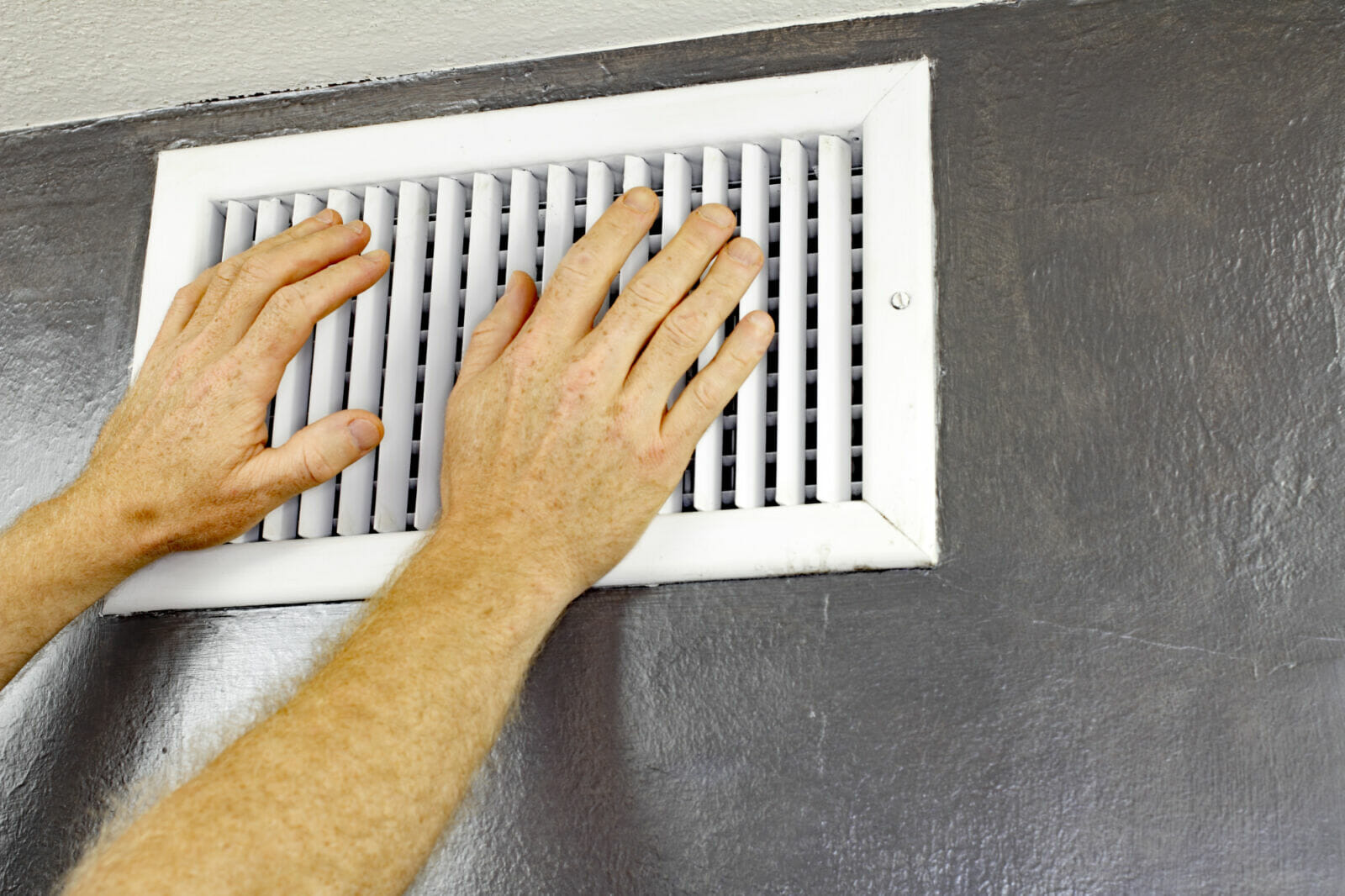
Most furnace failures do not happen out of nowhere. They build slowly, often over months or years. A furnace may still turn on, still blow warm air, and still seem reliable on the surface. That makes it easy to delay maintenance. Many homeowners assume service only matters when something breaks. Others plan to schedule it later and never get around to it. The problem is that furnaces rarely fail without leaving clues first. Those clues often stay hidden inside the system. When no one checks them, small issues continue to grow. The result is usually a breakdown during cold weather, when the system works hardest and repair options feel limited. Skipping annual furnace maintenance often looks like a short-term savings. Over time, it leads to higher costs, lower comfort, and added stress. Knowing what maintenance prevents helps explain why putting it off usually backfires.
Safety risks homeowners rarely think about
Furnace maintenance affects more than comfort and energy use. It also plays a critical role in home safety. One serious risk involves a cracked heat exchanger. This component keeps combustion gases separate from the air that moves through your home. Over time, constant heating and cooling can cause the metal to weaken and crack. These cracks are often hidden and rarely stop the furnace from running, which makes them easy to miss.
When a heat exchanger cracks, exhaust gases can escape into the airflow. This may allow carbon monoxide to enter the home without warning. Homeowners often do not notice a problem until symptoms appear or a detector sounds. That is why professionals emphasize early inspections and warn homeowners that you don’t sleep on a cracked heat exchanger. Routine maintenance allows trained technicians to catch early damage and address it before it becomes a serious safety hazard.
Small problems don’t stay small
Furnaces work under stress every heating season. Metal heats up and cools down. Parts move again and again. Dust builds up inside the system. Without maintenance, minor issues stay hidden. A loose wire can strain a motor. A dirty burner can affect how fuel burns. Restricted airflow can overheat parts that should stay cooler. None of these issues stop the furnace right away. They slowly weaken the system. When one part fails, it often pulls others down with it.
Repair costs rise without warning
When furnaces fail without maintenance, repairs tend to come suddenly. Emergency calls often happen during extreme cold. Parts fail at the same time instead of one at a time. This drives costs up. Labor may cost more after hours. Some parts may need rush ordering. In many cases, repairs cost more than a year or two of maintenance visits. Planned service spreads costs out. Skipped service stacks them into one stressful moment.
Efficiency drops every season
A furnace that lacks maintenance does not heat as well. Dirt on burners affects how heat forms. Poor airflow forces the system to run longer. Worn parts do not move as smoothly. The furnace works harder to do the same job. That extra effort shows up on energy bills over time. Homeowners may blame the weather or rising utility rates. Often, the system itself causes the problem. Maintenance keeps the furnace running closer to how it was designed to perform.
Shorter system life adds up fast
Furnaces last longer when parts stay clean and adjusted. Skipping maintenance shortens that lifespan. Heat stress damages key components. Motors wear out faster. Cracks and corrosion spread unnoticed. A system that could have lasted many more years may need replacement sooner. Early replacement brings a high cost that many homeowners do not plan for. Regular maintenance helps protect that investment and delays the need for a new system.
Carbon monoxide issues start quietly
Carbon monoxide problems rarely announce themselves right away. A furnace can run while slowly producing unsafe exhaust levels due to poor combustion or blocked venting. Without maintenance, burners may not burn fuel cleanly. Flues can loosen or clog over time. During an inspection, technicians check these areas to make sure gases exit the home properly. Skipping maintenance removes this safety check. That leaves homeowners relying only on alarms instead of prevention.
Comfort problems that seem hard to explain
Many homeowners notice cold spots, uneven heat, or frequent cycling and assume the furnace is too old or too small. In many cases, the issue comes from neglected maintenance. Dirty components restrict airflow. Worn parts stop working in sync. Sensors drift out of range. These problems affect how heat moves through the home. Maintenance helps restore balance so rooms heat more evenly and the system runs more smoothly.
What a maintenance visit actually covers
A furnace maintenance visit involves more than a quick look. Technicians inspect key components, clean areas that collect dirt, and test how the system runs. They check airflow, burners, ignition parts, and safety controls. They listen for early signs of wear. They also make small adjustments that improve the operation. These steps help prevent breakdowns and keep the furnace running as designed. Skipping this visit means none of this work happens.
Why maintenance costs less in the long run
Many homeowners avoid maintenance to save money. In reality, maintenance helps control future costs. Planned service costs less than emergency repairs. It also helps avoid early system replacement. Maintenance spreads expenses over time instead of creating one large bill. It also reduces stress by lowering the chance of sudden failure during cold weather. This makes maintenance a practical choice, not an extra one.
Annual furnace maintenance plays a quiet but important role in keeping a home safe, comfortable, and predictable. When maintenance gets skipped, the furnace still runs for a while, which creates a false sense of security. Behind the scenes, parts wear faster, efficiency drops, and small defects go unnoticed. Those issues often surface at the worst possible time. Repairs become urgent. Costs rise quickly. Comfort suffers when heating turns uneven or unreliable. Safety risks also increase when inspections do not happen. Maintenance helps avoid these problems by addressing them early, when they are easier and cheaper to fix. It also helps homeowners plan instead of react. While maintenance may feel optional in the moment, the long-term effects tell a different story. Regular service supports steady performance, longer system life, and fewer surprises. In most cases, it costs far less than dealing with preventable furnace failures later.