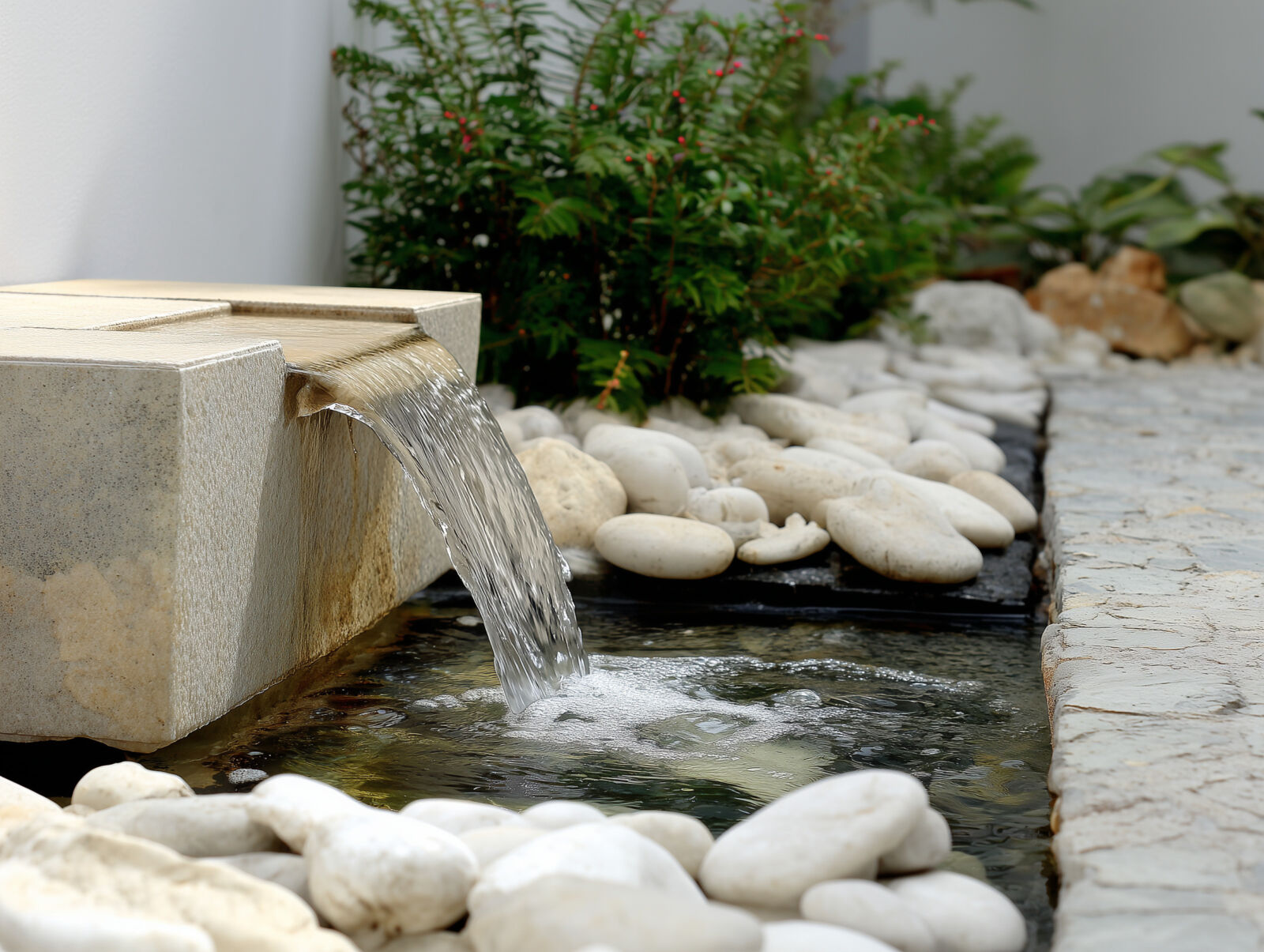
Adding a fountain to your backyard pond can completely transform your outdoor space into a peaceful, elegant, and lively retreat.
The sight and sound of flowing water have a soothing effect that brings tranquility to your environment.
A well designed fountain enhances not only the beauty of your pond but also its overall health by improving water circulation and oxygen levels.
1. Evaluate the Size and Depth of Your Pond
The first and most crucial consideration is the size and depth of your pond. A fountain must match the pond’s dimensions to function properly and look balanced. If the fountain is too powerful for a small pond, it may cause splashing or excessive movement that disturbs plants and fish. On the other hand, a small fountain in a large pond may look insignificant and fail to circulate enough water.
Measure your pond carefully and take note of its volume and depth. Most backyard ponds have varying depths, and this affects how well a fountain can operate. The deeper the pond, the stronger your pump needs to be to maintain a consistent flow.
2. Determine the Fountain’s Purpose
Before choosing a fountain, ask yourself what you hope to achieve. Are you installing it purely for decoration, or do you also want it to improve water quality and oxygen levels?
If your goal is aesthetic enhancement, you might prefer a fountain that creates a graceful spray or gentle bubbling effect to complement your landscaping. However, if you want a functional addition that supports aquatic life, choose a model that provides efficient water movement and aeration.
3. Consider the Water Flow and Spray Pattern
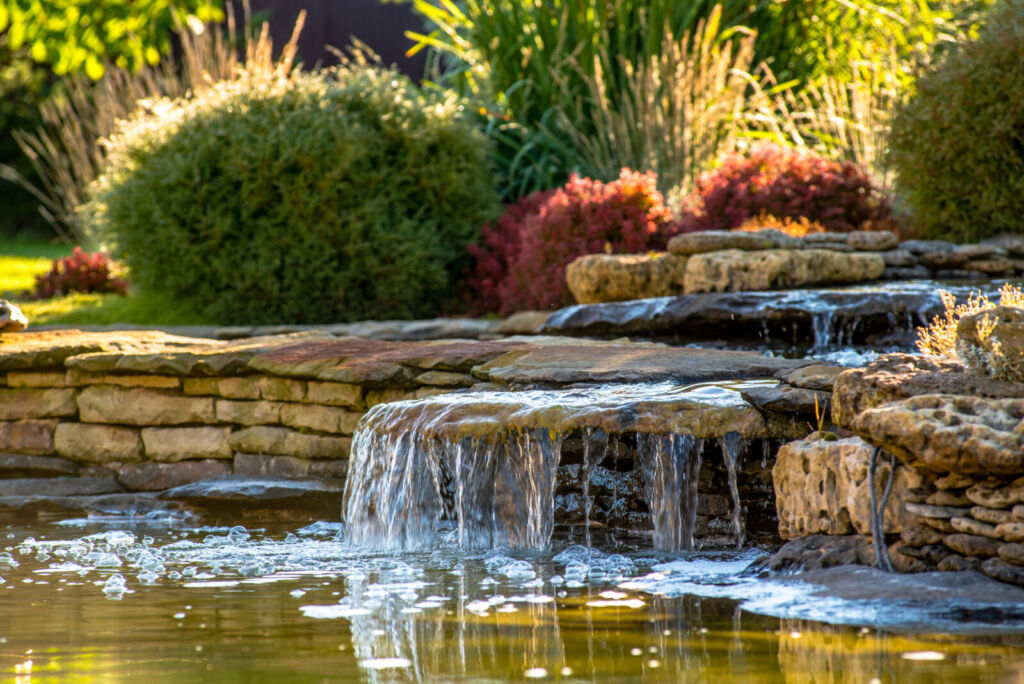
Every fountain produces a unique water pattern, from tall jets to soft cascades. If you prefer a natural flowing effect, a solar waterfall pump can create a gentle cascade that blends beautifully with rocks and pond edges. The type of spray you select should complement the size of your pond and the overall mood of your garden.
4. Choose Between Solar and Electric Power Sources
One of the biggest decisions when adding a pond fountain is whether to use a traditional electric model or a solar powered one. Electric fountains are powerful but require wiring and an external power source, which can be costly and less eco friendly.
Solar fountains, on the other hand, run entirely on sunlight. They are safer, more energy efficient, and easier to install since they do not require electricity. Solar panels collect sunlight during the day and convert it into energy to power the fountain and pump.
5. Think About Maintenance and Cleaning
A pond fountain adds charm, but it also requires regular maintenance to perform at its best. Dirt, leaves, algae, and debris can accumulate in the pump or nozzles over time, reducing water flow and affecting the spray pattern.
Before installing a fountain, consider how easy it will be to clean and maintain. Look for models that allow you to remove parts easily for rinsing and inspection. Solar powered models are generally simpler to maintain since they do not rely on electrical components that can corrode or wear out.
6. Pay Attention to Pond Life and Plants
If your pond is home to fish, turtles, or aquatic plants, their well being should guide your fountain choice. The movement and spray from a fountain can influence the pond’s environment in several ways.
Fish thrive in well oxygenated water, so a fountain can help improve their habitat. However, too much surface agitation can stress delicate species or disturb floating plants like lilies. Finding the right balance is key.
A moderate fountain powered by the Poposoap solar fountain pump maintains gentle circulation that benefits both plants and fish without overwhelming them. Make sure to place the fountain in a position that allows fish to have calm areas for resting.
7. Consider the Pond’s Location and Sunlight Exposure
The success of a solar powered fountain depends largely on sunlight availability. Choose a spot in your garden where the solar panel can receive direct sunlight for most of the day.
Avoid shaded areas under large trees or structures, as they can block sunlight and limit the fountain’s performance. If your pond is naturally shaded, consider using a separate solar panel extension that can be positioned in a sunnier location.
8. Budget and Cost Considerations
Before finalizing your purchase, evaluate your budget. A pond fountain system includes several components the pump, the fountain head, and possibly lighting.
While electric fountains might seem cheaper initially, the ongoing electricity costs and maintenance can add up. Solar fountains are more cost effective in the long term, as they harness free energy from the sun.
Water fountain offer excellent value because they combine affordability with long lasting durability. Their energy efficiency ensures your fountain runs smoothly without increasing your utility bills.
9. Safety and Environmental Factors
Safety is an important aspect to consider when installing any water feature. Electric fountains pose risks of wiring hazards, especially in outdoor or wet conditions. Solar fountains eliminate these risks entirely, making them safer for households with children or pets.
In addition to safety, consider the environmental impact of your choices. Solar powered systems help reduce carbon emissions and conserve energy. They represent a responsible way to enjoy modern water features while protecting the planet.
10. Seasonal Care and Winter Preparation
Different seasons affect your pond and fountain in unique ways. In warm months, evaporation increases, and you might need to refill your pond more often. During colder months, freezing temperatures can damage pumps and fountain parts.
Before winter arrives, it is best to remove or protect your fountain equipment to prevent ice damage. Store your solar devices indoors or keep them covered in a dry area.
Poposoap products are designed for durability, but proper seasonal care will help maintain their lifespan and performance for many years.
11. Enhancing the Landscape Around the Fountain
A fountain becomes even more stunning when surrounded by thoughtful landscaping. You can use rocks, aquatic plants, or decorative gravel to give your pond a natural look.
Flowering plants like irises, lilies, and lotus add color and life around the pond’s edge. Low growing greenery softens hard edges and blends the fountain seamlessly into the garden.
Adding Lights strategically around these plants makes the entire setup glow beautifully at night. The reflections of water, light, and plants create a mesmerizing effect that enhances your backyard’s charm.
12. Noise Level and Ambiance
The sound of a fountain can vary from a gentle trickle to a powerful splash. Consider the kind of ambiance you want to create. A soft bubbling sound is perfect for relaxation, while a louder spray adds energy and excitement to your space.
Experiment with different nozzle types and water pressure until you find the ideal sound for your environment. Solar powered fountains allow easy adjustments to flow rate, giving you control over both sound and appearance.
13. Long Term Benefits of Installing a Pond Fountain
Once installed, a pond fountain provides many ongoing benefits beyond its visual appeal. It promotes water movement, reduces algae growth, supports fish health, and enhances your garden’s atmosphere.
The long term value of such an addition lies in its ability to bring balance to your pond ecosystem.
Final Thoughts
Adding a fountain to your backyard pond is a rewarding decision that enhances both the beauty and health of your outdoor environment. However, taking time to plan and consider all aspects such as pond size, lighting, maintenance, and power source will ensure long term satisfaction.