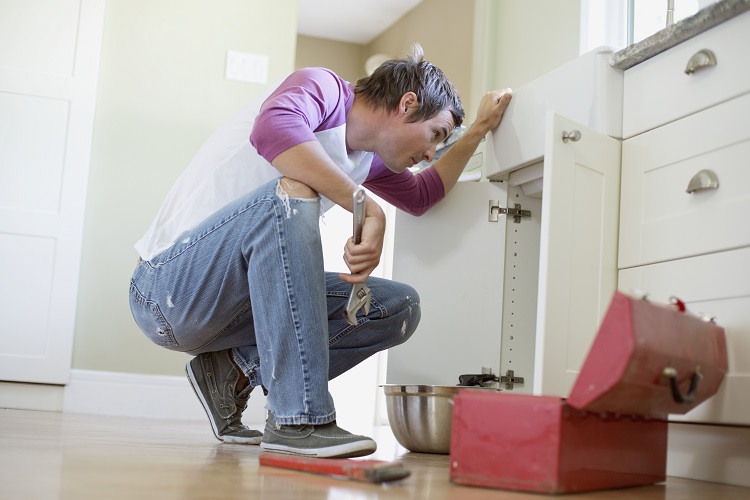
When faced with a leaky faucet or a clogged drain, homeowners are often torn between calling a professional plumber and attempting a do-it-yourself fix. Recent statistics reveal that 31% of Americans prefer to tackle home repairs themselves to save money. However, the complexity of plumbing systems means that DIY solutions can sometimes lead to more significant issues in the long run.
Deciding between a professional plumber and a DIY approach requires a careful analysis of various factors such as cost, risk, and the value of expertise. Each option has its merits, and the best choice may vary depending on the situation at hand. Below, we consider the nuances of both alternatives to aid homeowners in making an informed decision.
Traditional Plumbers and DIY Solutions in Modern Home Maintenance
In evaluating traditional plumbers against DIY solutions, one key takeaway is the significance of expertise. Professional plumbers possess the technical know-how and specialized tools to diagnose and fix complex issues, which is something amateur DIY enthusiasts may lack. Homeowners facing plumbing challenges may want to consider consulting Orlando plumbers for their expertise.
While DIY plumbing guides are widely accessible online, they often offer generalized advice that may not be applicable to unique home plumbing systems. This can result in misdiagnosed problems or improperly performed repairs, potentially causing further damage or necessitating expensive professional intervention later on.
For simpler tasks, such as replacing a worn washer or unclogging a minor blockage, homeowners might find DIY solutions to be sufficient. However, for more involved issues, consulting a professional can provide peace of mind and ensure long-term reliability.
Evaluating Cost-Effectiveness: Professional Plumbing Services vs. Self-Help Repairs
An immediate consideration for many homeowners is the cost difference between hiring a plumber and doing it themselves. A professional service can be costly upfront; however, these costs often include a guarantee of workmanship and the use of high-quality parts that may not be available to the average consumer.
While DIY repairs might seem less expensive in theory, unexpected complications can result in ballooning costs. For example, a simple mistake like over-tightening a pipe fitting could lead to a major leak that requires an emergency call to a plumber. DIY setbacks like this can end up costing more than the initial estimated savings from avoiding professional services.
Homeowners should evaluate the potential long-term savings against the risks of additional expenses when deciding whether to attempt repairs themselves or contact a plumber. To strike a balance, some may choose to handle minor maintenance while leaving complex repairs to experts.
Assessing the Risks and Reliability of DIY Plumbing Against Expert Solutions
Risks and reliability are essential factors in the DIY versus professional plumber decision. DIY plumbing carries inherent risks, including the possibility of causing water damage, voiding warranties, or even violating local building codes, which can lead to costly fines or issues when selling a home.
Professional plumbers, on the other hand, are typically licensed and insured, providing homeowners with legal protection and recourse if something goes wrong. They are also up-to-date with industry standards and regulations, which helps ensure that all work is compliant and thoroughly executed.
Prioritizing safety and adherence to regulations, homeowners may find that hiring a professional plumber is the more reliable choice, particularly for significant installations, renovations, or repairs that require a permit and inspection.
Making the Right Choice for Your Home: Factors to Consider When Deciding Between a Plumber and DIY

When it comes to the final decision, it’s important to weigh individual skill levels, the complexity of the task, and the potential for future problems. A homeowner knowledgeable about plumbing who is dealing with a simple repair might opt for a DIY fix confidently.
Conversely, those with little experience or faced with complex issues may benefit from professional assistance. It’s important to recognize the limits of one’s abilities and the risks involved. Modifications to major plumbing systems, such as water heaters or main sewer lines, are generally not recommended as DIY projects.
For a balanced approach, homeowners can maintain regular plumbing maintenance themselves while establishing a relationship with a reliable plumbing service for more significant needs. This strategy can save money and prevent critical issues later on, striking the optimal balance between DIY and professional solutions.
Ultimately, while DIY plumbing can offer immediate savings and a sense of personal accomplishment, the expertise and dependability of a professional plumber often outweigh potential short-term gains. Homeowners must assess each situation individually, considering the complexity of the issue at hand, their expertise, and the long-term implications of their choice. By doing so, they can ensure that they’re making the wisest investment for the longevity and safety of their home’s plumbing infrastructure.