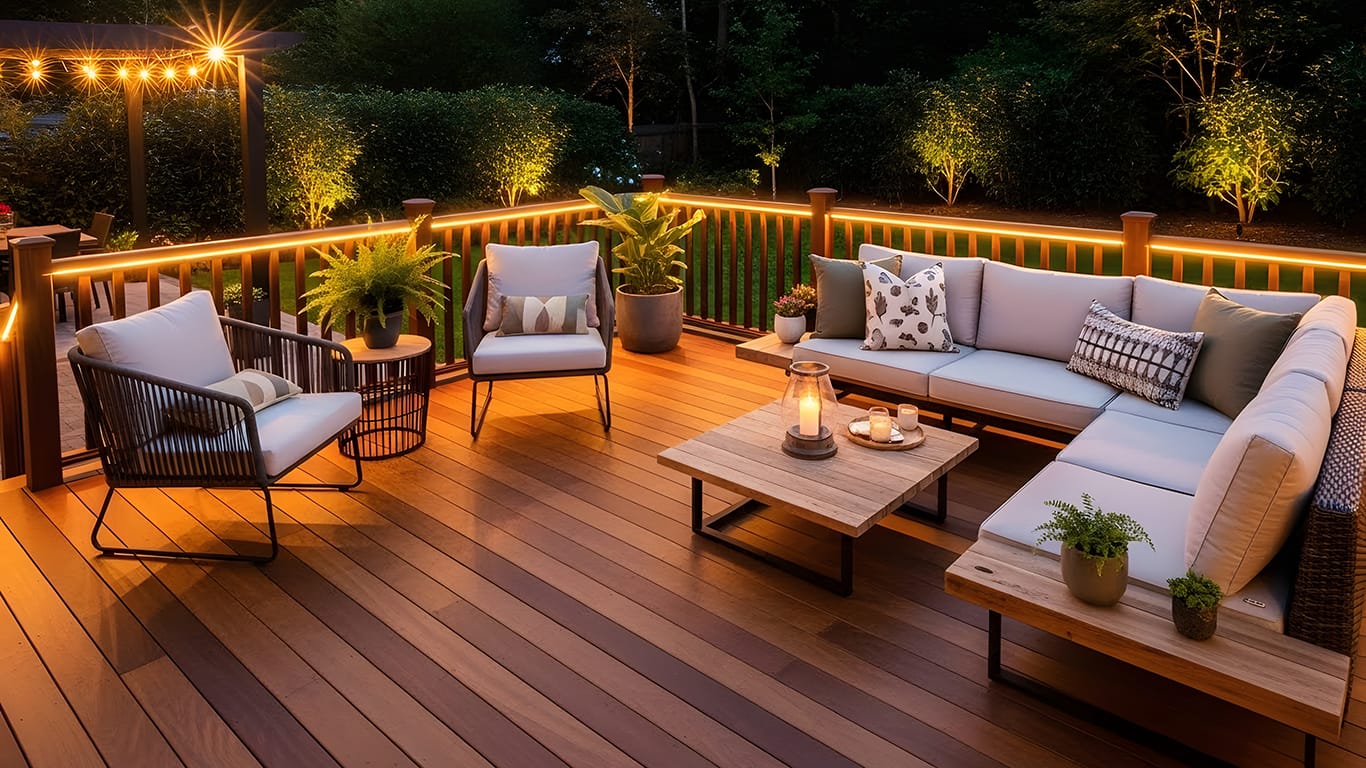
A new deck affects how a home carries foot traffic, handles rain, supports furniture, and connects indoor rooms to outdoor space. Thoughtful questions help homeowners judge more than price. They reveal how a builder thinks about structure, code, drainage, materials, and everyday use. A polished photo can be helpful, but the stronger signal is a clear process, written scope, and steady communication.
Project Fit
Before choosing a custom deck builder in St. Louis, homeowners should ask how site conditions shape the plan. Soil movement, slope, sun exposure, water runoff, door height, and utility locations can all change the final layout. A qualified contractor should connect those details to footing depth, stair direction, rail placement, and permit needs before scheduling construction.
Relevant Experience
Ask about projects with similar height, size, access, and structural demands. A ground-level platform is different from a raised deck tied into a walkout basement. Photos matter, yet process details matter more. The builder should explain past framing decisions, inspection feedback, drainage fixes, and material performance after several seasons of use.
Licensing And Insurance
Request current license information, liability coverage, and workers’ compensation records. These documents help protect the homeowner if property damage, injury, or code issues occur. The business name should match the proposal and contract. Dates should be active. A serious contractor will provide proof calmly, without pressure or vague explanations.
Permit Handling
Ask who prepares drawings, files permit documents, schedules inspections, and responds to correction notices. Local officials may review footings, ledger attachment, beams, stairs, guards, and load paths. The agreement should include responsibility. Clear permit handling prevents stalled work, added fees, and uncomfortable surprises after demolition has already started.
Design Process
Thoughtful design begins with how people use the space. Ask how the builder accounts for furniture, grills, shade, privacy, traffic flow, and door swing. The plan should suit daily routines, not just fill available yard area. Scaled drawings or digital layouts help homeowners catch awkward corners, tight stairs, and crowded seating zones early.
Material Choices
Decking materials differ in maintenance, surface temperature, traction, fading, fastener needs, and expected service life. Ask for side-by-side comparisons of pressure-treated lumber, cedar, composite, and capped polymer boards. Each choice has a tradeoff. You should view samples in daylight and shade because color can shift under changing weather conditions.
Structural Details
The strongest decks get planned below the walking surface. Ask about footing depth, post spacing, beam size, joist span, lateral bracing, and ledger flashing. These parts control stability, drainage resistance, and long-term safety. Homeowners do not need technical jargon. They need clear reasons for each structural decision.
Budget Clarity
A reliable estimate separates labor, materials, permits, demolition, disposal, stairs, rails, lighting, and optional features. Ask what could raise the price during construction. Hidden rot, buried lines, poor soil, or drainage repairs may affect cost. Change-order rules should be clear before signing, including approval steps and written pricing.
Timeline Expectations
Ask for the expected order of design, permits, material delivery, demolition, framing, inspections, decking, railing, and final cleanup. Weather can shift outdoor schedules, but each phase still needs a realistic window. Homeowners should know who sends updates, how delays are explained, and when crews are expected on site.
Crew Supervision
Find out who manages the job each day and who can approve field decisions. Some builders use employees, while others work with subcontracted crews. Either setup can succeed with close supervision. Ask how framing, fasteners, rail posts, stairs, and cleanup are checked before the next phase begins.
Warranty Terms
Ask what coverage applies to labor, framing, decking, railing, fasteners, and finish concerns. Manufacturer warranties may differ from builder promises. Homeowners should know claim steps, response times, exclusions, and maintenance duties. Written terms carry more value than broad verbal comfort. Clear coverage also reflects confidence in workmanship.
Site Protection
Deck construction can affect siding, windows, plants, lawns, driveways, and walkways. Ask how those areas will be protected during demolition and installation. You should address tool storage, debris removal, and daily cleanup early. Homes with children, older adults, or pets may also need temporary barriers around open framing.
Communication Style
Strong communication is practical, not polished. Ask how builders confirm selections, who documents changes, and how they handle questions during work. Text messages may be useful for quick updates, but scope revisions belong in writing. Homeowners should also know who responds after final payment if a concern appears.
Past Clients
Ask for recent references from projects close in size, height, and material type. Practical questions cover punctuality, site care, change orders, inspection results, and punch-list follow-through. Online reviews add background, but direct conversations often reveal better detail. Patterns across several clients matter more than one glowing comment.
Conclusion
Hiring a deck builder should be a careful review of skill, process, and accountability. The best choice explains structure, permits, materials, schedule, warranty, and communication in straightforward language. Those answers help homeowners compare long-term value rather than chase the lowest number. With the right questions, your outdoor project can move forward with fewer delays, cleaner decisions, and a safer finished space.