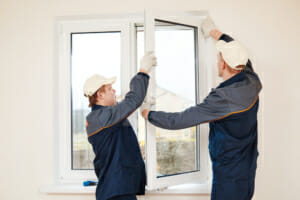
In Florida, property damage can follow a hurricane, windstorm, roof leak, fire, plumbing failure, fallen tree, or vehicle impact. The first few hours may feel chaotic, especially when a home has water intrusion, broken windows, damaged roofing, or unsafe electrical conditions. A clear plan can help protect your household, preserve important evidence, and keep the insurance process organized.
When a significant loss creates questions about coverage, repair scope, or a delayed decision, speaking with a property damage lawyer may help a policyholder understand the options available under a specific Florida policy. Before any claim dispute develops, however, careful documentation and timely communication can make a major difference.
The First Steps After Property Damage
Start with a simple order of operations: protect people and pets, call emergency services when necessary, report immediate hazards, document what is safe to document, take reasonable steps to limit additional damage, and notify the insurer. Save every receipt, estimate, email, photograph, and claim-related note from the beginning.
Put Safety Before Cleanup
Florida homes can have hidden dangers after storms and water events, including weakened ceilings, standing water, contaminated materials, broken glass, and damaged gas lines. Do not enter an area that appears unstable. Keep children and pets away from debris, and use qualified professionals for structural, electrical, fire, mold, or hazardous-material concerns.
Document the Damage Before Repairs
When it is safe, create a visual record before cleanup changes the scene. Take wide photographs of each affected room, exterior elevation, and damaged area. Then take close images of water staining, missing shingles, cracked materials, soot, impact points, damaged personal belongings, labels, serial numbers, and model information.

Record a slow video walkthrough as well. Keep original image files rather than editing or filtering them. File names such as 2026-09-01-living-room-ceiling-stain.jpg can make records easier to locate later.
Prevent Further Damage
Emergency mitigation is different from a permanent repair. Covering an opening, shutting off water, extracting standing water, or placing a tarp may be reasonable steps to stop the loss from getting worse. Take photographs before and after the work, retain invoices and payment records, and preserve damaged materials when doing so is safe and practical.
Florida consumers are generally encouraged to make reasonable temporary repairs and retain documentation. The state’s homeowner’s insurance guidance also emphasizes prompt notice, mitigation, policy review, and maintaining records after a loss.
Create a Detailed Property Inventory
A room-by-room inventory is often easier to review than a single long list. For every damaged item, record:
- The item name, description, quantity, and pre-loss condition.
- The brand, model, or serial number, if available.
- The approximate purchase date and original price.
- The estimated replacement cost or repair cost.
- Supporting photos, receipts, warranties, emails, or bank records.
If receipts are missing, old photographs, online account histories, product listings, and credit-card statements may help establish ownership and value. Clearly identify estimates as estimates.
Review the Insurance Policy
Find the complete policy, declarations page, endorsements, exclusions, deductibles, and conditions section. Florida policies vary, and the declarations page may not include every limitation or duty that applies after a loss. Check the cause of loss, applicable deductible, coverage limits, temporary living expense coverage, proof-of-loss requirements, and whether payment is based on replacement cost or actual cash value.
Report the Claim and Track Every Contact
Report the claim through the insurer’s official channel and request a claim number. Build a communication log with the date and time of every call, the person’s name and role, documents submitted, requested follow-up, inspection appointments, and stated deadlines. Store letters, emails, text messages, portal notices, photographs, estimates, and receipts in one digital folder with a backup copy.
Prepare for the Property Inspection
Make the accessible areas of the property available for inspection, but keep unsafe zones closed. Have your photos, inventory, mitigation invoices, contractor estimates, and written timeline ready. During the inspection, point out visible damage and explain what you observed, when you noticed it, and what emergency steps were taken. Avoid guessing about a technical cause that should be evaluated by a qualified professional.
Compare Estimates and Repair Scopes
Do not compare estimates only by their totals. Review each scope line by line for demolition, debris removal, drying, cleaning, permits, materials, labor, taxes, delivery charges, matching work, detached structures, and personal property. Ask whether the estimate accounts for concealed damage that may become visible after damaged materials are removed.
What to Do When a Claim Is Delayed or Denied
A delay, partial payment, reservation of rights, and denial are different claim positions. Request the insurer’s explanation in writing, identify the policy language it relies on, and compare that explanation with your photographs, estimates, invoices, and communications. Submit organized materials that directly address missing information or disputed scope items. Review the policy for any appraisal, mediation, or other dispute-resolution provisions, and pay close attention to deadlines.
Common Mistakes That Can Weaken a Claim
- Cleaning up or discarding items before documenting them.
- Waiting too long to report a loss or stop active water intrusion.
- Relying only on memory instead of a written communication log.
- Making major permanent repairs before the damage can be evaluated.
- Accepting a verbal explanation without requesting written clarification.
- Signing repair or assignment documents without reading them carefully.
- Ignoring letters, emails, or requests that include a deadline.
A Simple Florida Property Damage Checklist
- Safety: Leave dangerous areas and contact the appropriate professionals.
- Photos: Capture wide views, close details, and damaged belongings.
- Mitigation: Take reasonable steps to prevent additional damage.
- Records: Keep receipts, estimates, files, and a contact log.
- Policy: Review deductibles, exclusions, coverage, and deadlines.
- Claim: Report the loss and obtain a claim number.
- Review: Compare repair scopes carefully and request explanations for gaps.
Frequently Asked Questions
Should photos be taken before the cleanup?
Yes, if the area is safe. Photographs and video taken before the cleanup can provide a clearer record of the damage. Safety and emergency mitigation should always come first.
Can damaged property be thrown away?
Do not discard it too quickly. Photograph and inventory the item first, and preserve it when possible. If an item creates a health or safety hazard, document it thoroughly before disposal.
What if the repair estimate seems too low?
Ask for a line-by-line explanation and compare the estimate with contractor bids, photographs, measurements, invoices, and evidence of any additional damage discovered during repairs.
Final Takeaway
Property damage in Florida can involve urgent safety decisions, fast-moving repairs, and detailed insurance paperwork. Protect people first, preserve evidence when safe, prevent additional damage, and keep every record in one place. Good documentation cannot guarantee a particular claim result, but it creates a stronger foundation for clear decisions and productive claim discussions.