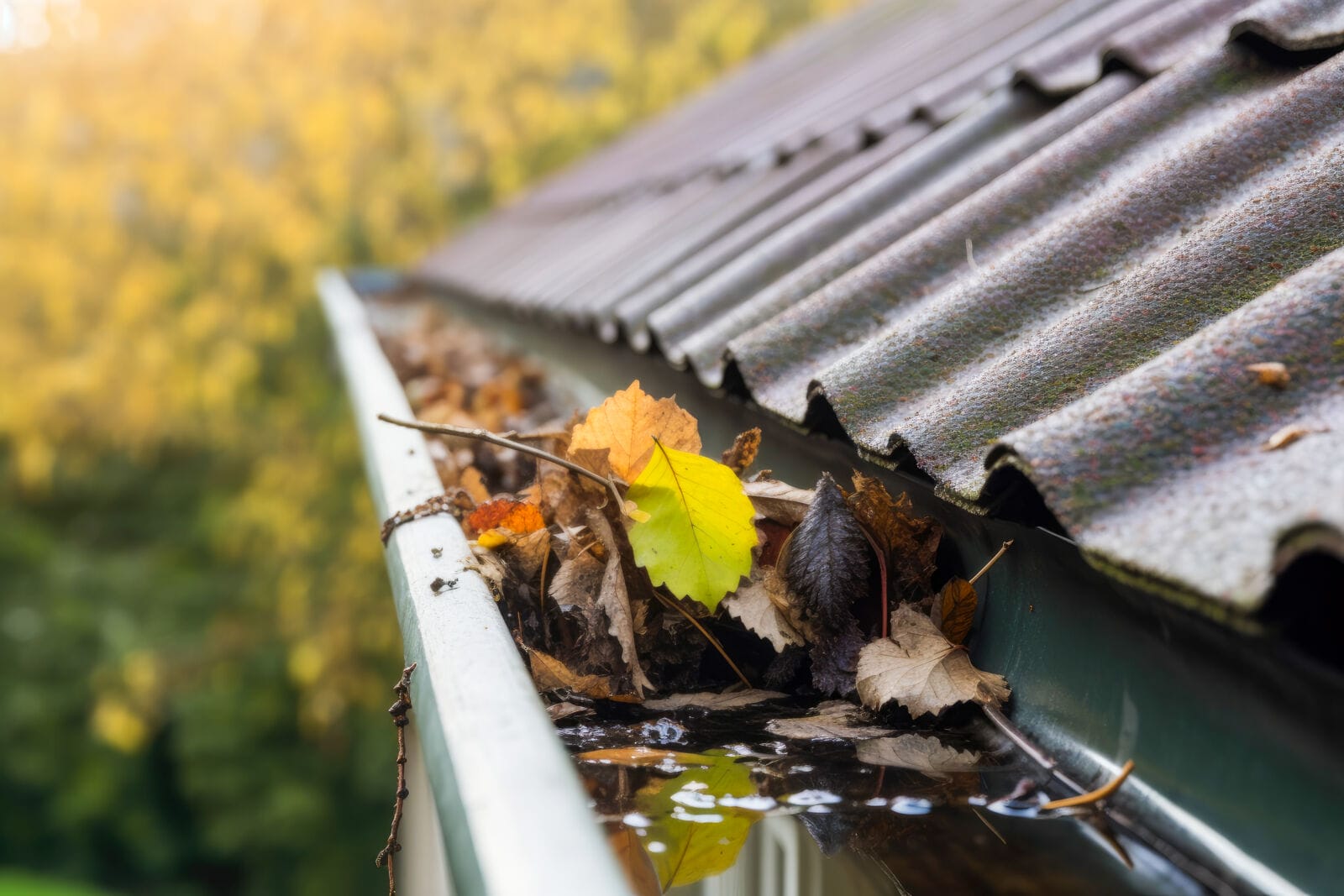
There’s a pattern that plays out in Vancouver homes every year. Homeowners clean their gutters in the fall, feel accomplished, and assume they’re done. Then spring arrives with water in the basement, cracks in the foundation, or rot behind the siding.
“But I cleaned my gutters,” they tell the contractor writing the repair estimate. “How did this happen?”
The answer surprises them. Cleaning gutters isn’t the same as maintaining a drainage system. And by the time most Vancouver homeowners figure this out, they’re already looking at expensive repairs.
The Problem With DIY Gutter Cleaning
Here’s what typically happens when someone cleans their own gutters. They get a ladder, scoop out visible leaves and debris, maybe run a hose through to check flow, and call it done. The gutters look clear, so the job must be complete.
Except they missed the compacted sludge at the bottom. They didn’t check downspout connections. They didn’t notice the section pulling away from the fascia. They couldn’t see the small crack that’s letting water behind the gutter. And they definitely didn’t spot the early signs of rot on the fascia board.
Richard in East Vancouver learned this lesson the hard way. He cleaned his gutters every fall for six years. It took maybe two hours, and I felt good about maintaining his home. Last spring, he noticed water staining on his basement ceiling. By the time contractors assessed the damage, he was looking at $8,400 in repairs.
The culprit? His downspouts were draining too close to his foundation. Water that should have been directed away from his house had been pooling against his basement walls for years. Every gutter cleaning, he’d been maintaining the symptom while missing the actual problem.
What Professional Gutter Services Actually Do
When All Seasons Cleaning Services sends a team to clean Vancouver gutters, the actual debris removal is just the starting point. The real value comes from what happens next.
They’re checking downspout extensions. Making sure water discharges at least six feet from the foundation. Inspecting gutter slope and alignment. Verifying that water actually flows toward downspouts instead of pooling. Looking for loose brackets and hangers. Examining fascia boards for early signs of rot. Checking for proper spacing and support.
This comprehensive approach catches problems when they’re still small and fixe. A $40 bracket replacement prevents a $400 gutter section replacement. A $150 downspout extension prevents $8,000 in foundation damage.
Jennifer in Kitsilano has used the same professional service for three years. “They’ve caught two different issues that would have been expensive if I’d waited,” she says. “One was a fascia board starting to rot. The other was a downspout that had separated from the underground drain. I was so proud of my DIY gutter cleaning, and I never even noticed these problems.”
LOCAL NEWS: 10 things you may not know are manufactured in Arizona
INDUSTRY INSIGHTS: Want more news like this? Get our free newsletter here
The Vancouver Climate Factor
Vancouver receives over 1,150 millimeters of rain annually, concentrated in fall and winter. That’s an enormous amount of water flowing through your gutter system. When that system isn’t working properly, damage happens quickly.
The abundant trees that make Vancouver neighborhoods beautiful also create unique challenges. Cedar and fir trees drop needles year-round, not just in fall. These needles are small, they pack together tightly, and they don’t break down like leaves do. They create barriers that look cleared on top but are completely blocked underneath.
Maple and other deciduous trees contribute thousands of seed pods that germinate in the organic matter accumulating in gutters. Vancouver’s mild, wet climate means these seeds actually sprout. Professionals routinely find small plants growing in gutters that homeowners thought were clean.
Mike in West Vancouver was shocked when his gutter service showed him photos of what they removed from his system. Small trees, moss, decomposed organic matter packed into a concrete-like sludge at the bottom of his gutters. “I’ve been cleaning them every year,” he said. “Or so I thought. I was just skimming the surface.”
The Foundation Connection
Here’s what most people don’t realize: foundation damage from poor drainage doesn’t happen overnight. It develops slowly, invisibly, until suddenly you have cracks, leaks, or structural problems.
Water that doesn’t get directed away from your home has to go somewhere. In Vancouver’s wet climate, that means saturated soil against your foundation for months at a time. The hydrostatic pressure from this waterlogged soil pushes against foundation walls. Freeze-thaw cycles in winter create expansion and contraction. Eventually, cracks develop.
By the time you notice dampness in your basement or see cracks in your foundation, the problem has been developing for years. The repair costs can be staggering. Foundation work routinely runs $5,000 to $15,000 or more depending on the extent of damage.
Sarah in North Vancouver had her basement waterproofed last year. The contractor told her the damage was from poor drainage around her foundation. Her gutters had been overflowing during heavy rains, dumping water right next to her basement walls. She’d cleaned her gutters herself for a decade and never realized they weren’t properly directing water away from her home.
“I spent $11,200 on waterproofing and foundation repairs,” she says. “All because I thought scooping leaves out of gutters was the same as maintaining drainage.”
What Downspout Extensions Actually Do
This is one of those things that seems obvious once someone explains it, but most homeowners never think about it. Your downspouts need to discharge water at least six feet away from your foundation. Ideally farther in Vancouver’s wet climate.
Standard downspouts that came with your house typically discharge right at the foundation line. Maybe two feet away at most. That’s not enough. During heavy rain, hundreds of gallons of water are coming through your gutters and getting dumped immediately adjacent to your foundation.
Professional gutter services check this and correct it if needed. Downspout extensions, underground drainage pipes, even simple splash blocks that direct water away from the house, these aren’t complicated fixes. But they make an enormous difference in protecting your foundation.
Tom in Mount Pleasant had professional gutter cleaning done and was surprised when they recommended downspout extensions. “They showed me where my downspouts were discharging,” he remembers. “Literally right at my foundation. I’d never even thought about it.”
The extensions cost $180 to install. Two years later, his neighbor had foundation work done that cost $9,300. Tom’s neighbor had the same downspout setup and the same wet soil conditions. The difference was Tom caught it early.
The Fascia Board Warning Sign
Fascia boards, the wooden boards your gutters attach to, are like canaries in a coal mine for drainage problems. When they start to rot, it means water has been getting where it shouldn’t.
Most homeowners never look closely at their fascia boards. They’re up at the roofline, usually painted, and seem fine from the ground. But when gutters overflow or leak, that water runs behind the gutter system and saturates the fascia. Vancouver’s wet climate means this wood stays damp for long periods. Rot develops quickly.
By the time fascia rot is visible from the ground, it’s often extensive. The repair isn’t just replacing boards. It’s also checking roof structure, potentially replacing sections of soffit, painting, and possibly replacing gutters if the mounting points are compromised.
Rachel in Burnaby had $2,800 in fascia and soffit repairs last year. The rot had spread farther than anyone realized because she’d been cleaning gutters without examining the mounting system. A professional service would have caught the early signs years ago when repair costs would have been a fraction of what she eventually paid.
The Twice-a-Year Reality
Here’s another thing Vancouver homeowners discover too late: cleaning gutters once a year isn’t enough in this climate. Fall cleaning addresses the leaf drop. But spring cleaning is equally important.
Spring brings seed pods, blossoms, and the needles that evergreens shed as they put out new growth. It brings nesting birds and materials they drop. It brings pollen that combines with spring rain to create a sticky residue that accelerates debris buildup.
Homes with significant tree coverage need gutter cleaning twice annually minimum. Some properties benefit from quarterly service.
David in Kerrisdale has switched to twice-annual professional service. “The spring cleaning always removes more than I expect,” he says. “And they catch things in spring that weren’t issued in fall. The small repairs add up to big savings.”
What Proper Gutter Cleaning Costs vs What Failure Costs
Professional gutter cleaning in Vancouver typically runs $150 to $350 depending on home size and complexity. Twice-annual service doubles that cost, but still usually comes in under $700 annually.
Compare that to the cost of problems that develop when drainage systems aren’t properly maintained:
Foundation repairs run $5,000 to $15,000 or more. Fascia and soffit replacement runs $1,500 to $5,000 depending on extent. Basement waterproofing runs $3,000 to $12,000. Landscape damage from erosion can hit $1,000 to $3,000. Interior damage from water infiltration varies but routinely exceeds $5,000.
The math isn’t complicated. Preventative maintenance through proper professional gutter service costs a fraction of reactive repair once damage has developed.
Making the Switch
If you’ve been handling your own gutter cleaning and thinking you’re saving money, run the numbers honestly. Factor in the cost of equipment you need to buy or replace, the value of your time, the risk of injury, and most importantly, the inspection and maintenance work you’re probably not doing because you don’t have the expertise or equipment to do it properly.
Professional gutter services don’t just save you from climbing ladders. They protect your home’s foundation, structure, and value by maintaining the entire drainage system, not just scooping out visible debris.
Vancouver’s wet climate doesn’t forgive drainage problems. What starts as a clogged gutter becomes a repair bill that makes professional maintenance look like one of the smartest investments you can make in your home.
The homeowners who learn this early avoid expensive surprises. The ones who learn it late get to pay for both the damage and the education. The only question is which group you want to be in.