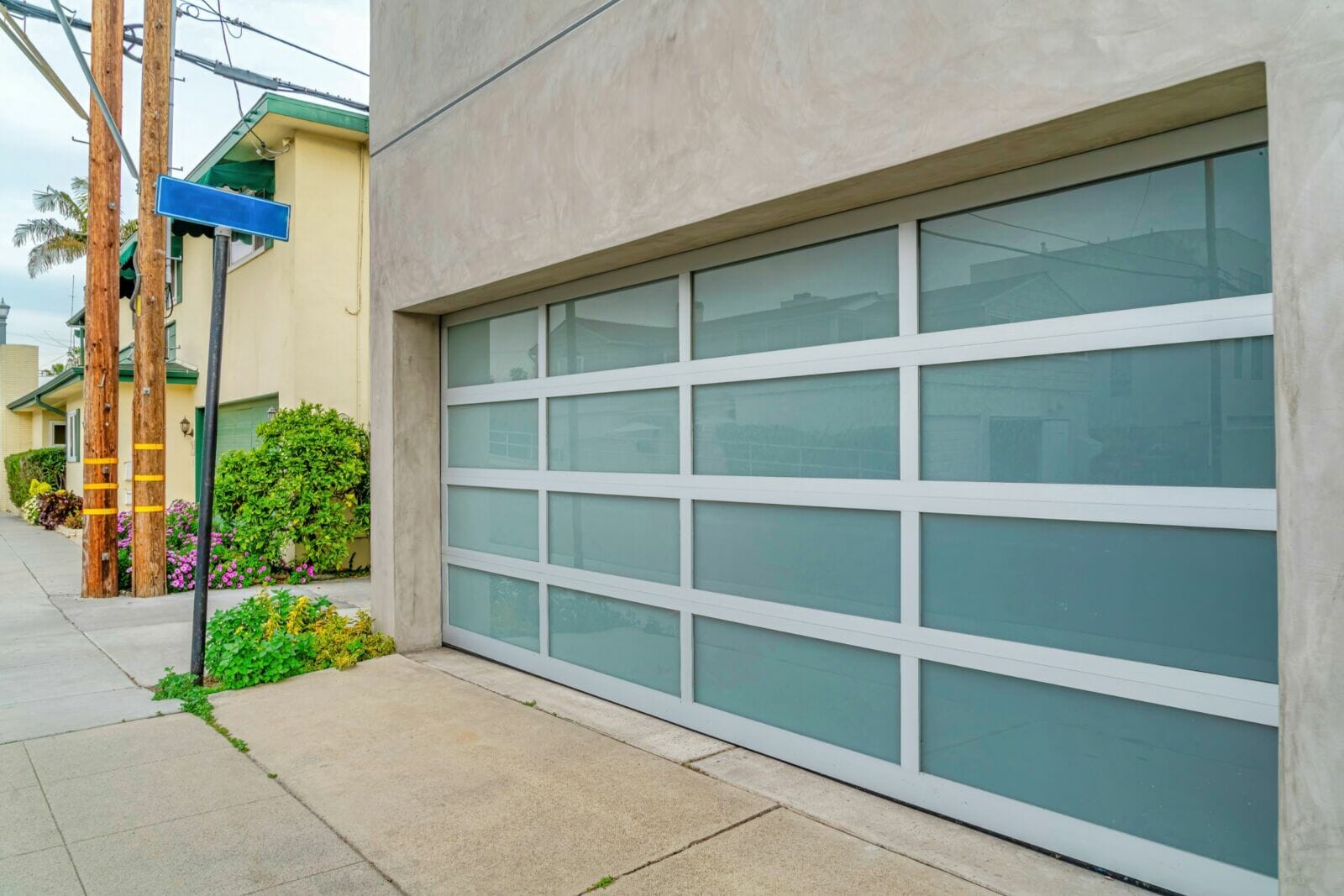
A garage door can become a major problem when it suddenly stops working. A door that will not open can leave a vehicle trapped inside, while one that will not close can leave a home or business exposed. Some faults are simply inconvenient, but others can create genuine safety and security concerns.
Emergency garage door repairs are designed for situations where waiting for a routine appointment is not practical. Understanding which problems require emergency garage door repairs can help property owners respond quickly and avoid making the damage worse.
1. The Garage Door Is Completely Stuck
One of the clearest reasons to seek emergency assistance is a door that is completely stuck open or closed. If it is stuck open, the garage and anything inside may be vulnerable to unauthorised access or weather. If it is stuck closed, you may be unable to access your vehicle, tools, equipment or other belongings.
Rather than repeatedly trying the remote or forcing the door by hand, stop using it and arrange an inspection. A professional can determine whether the problem involves the motor, springs, cables, tracks, or another component.
2. A Garage Door Spring Has Broken
Garage door springs help support the weight of the door and allow it to move smoothly. When a spring breaks, the door can suddenly become extremely difficult or unsafe to operate.
A broken spring should not normally be treated as a simple DIY repair. Garage door springs are under significant tension, and incorrect handling can result in injury or additional damage. Professional technicians can assess the spring system and replace the damaged component safely.
3. The Door Has Come Off Its Tracks
A garage door that has moved out of its tracks may become uneven, jammed, or unstable. In some cases, part of the door may hang at an unusual angle.
Continuing to operate a door in this condition can place additional stress on rollers, cables, panels, and other components. Emergency repair may involve realigning the door, checking the tracks, and securing the system before it is used again.
4. A Cable Has Snapped
Garage door cables work with the spring system to help the door move in a balanced way. A snapped or damaged cable can affect the door’s stability and may prevent it from opening or closing properly.
Because cables are connected to other load-bearing components, attempting to pull, lift, or adjust the door without the right equipment can be risky. A technician can inspect the complete system rather than simply replacing the visible damaged cable.
LATEST NEWS: 20 best U.S. cities for retirement includes 2 from Arizona
LEARN MORE: Arizona earns 19 Michelin Guide selections in inaugural Southwest Guide
5. The Door Will Not Lock or Close Properly
A garage door does more than provide convenient vehicle access. It can also form an important part of a property’s security.
If the door stops closing completely, cannot lock, or repeatedly reverses before reaching the ground, the issue should be investigated. Problems can involve sensors, the opener, alignment, or mechanical components. Addressing the fault promptly can reduce the time that the property remains unsecured.
6. The Motor or Opener Suddenly Fails
Automatic garage doors rely on motors, openers, remotes and safety sensors. A failure in any of these components can prevent normal operation.
Before arranging an emergency repair, it can be worth checking simple issues such as whether the opener has power or whether the remote battery has failed. If basic checks do not solve the problem, professional diagnosis can identify whether the fault lies with the motor, controls, wiring, or another part of the system.
7. The Door Has Been Damaged by a Storm or Impact
Strong weather, falling objects, and vehicle impacts can damage garage doors and their supporting components. Panels may become bent, tracks may shift, and the door may no longer sit correctly in its frame.
In these situations, the priority should be making the area safe. A technician can assess the damage and determine whether the door can be repaired, temporarily secured, or requires replacement parts.
What to Do While Waiting for a Repair
If a garage door develops a serious fault, avoid forcing it open or closed. Keep children and pets away from the area and do not stand underneath a damaged or unstable door.
If the door is stuck open, consider securing the garage and surrounding area as much as possible. If it is stuck closed, avoid repeatedly activating the opener, particularly if there are signs of mechanical damage.
Taking photographs of the problem can also help a repair technician understand what has happened before arriving.
Choosing an Emergency Garage Door Repair Service
When looking for urgent assistance, consider more than response time. Look for a provider that can work with different door types and brands and has experience with mechanical and automatic systems.
It is also useful to ask about pricing, call-out charges, and what happens if a particular replacement part is unavailable. Clear communication can make an already stressful situation easier to manage.
Conclusion
Garage door failures rarely happen at a convenient time. Whether the problem is a broken spring, snapped cable, damaged track, failed opener, or impact damage, some situations require prompt professional attention.
Knowing the warning signs can help you decide when a routine repair can wait and when emergency assistance is the safer choice. Most importantly, avoid forcing a damaged garage door to operate. Getting the problem assessed properly can protect the door, the property, and the people around it.