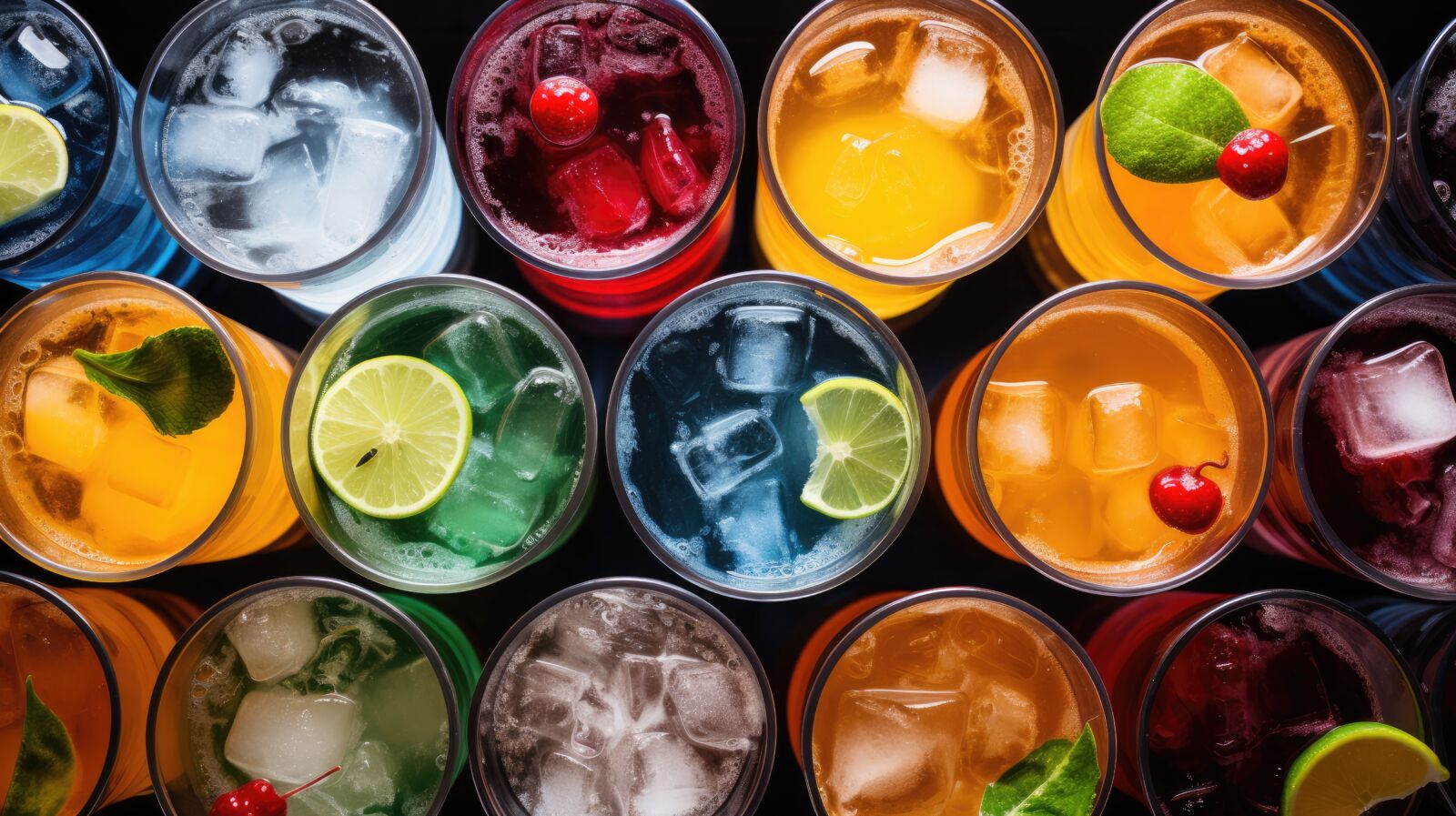
The important of food color measurement
Food color is one of the first sensory cues consumers use to judge a product’s freshness, quality, and appeal—and beyond aesthetics, precise color measurement is a critical pillar of food industry compliance, safety, and brand consistency. Here’s why systematic food color measurement (powered by tools like 3nh’s specialized colorimeters and spectrophotometers) is non-negotiable for food manufacturers, processors, and suppliers:
1. Guarantees Product Consistency and Brand Identity
Consumers expect uniform color across every batch of their favorite foods: a consistent golden hue for potato chips, a deep red for tomato sauce, or a pale yellow for organic honey. Without standardized color measurement, natural variations in raw materials (e.g., ripeness of fruits, soil conditions for vegetables) or production variables (e.g., cooking time, temperature) can lead to batch-to-batch color discrepancies. These inconsistencies erode brand trust—if a customer receives a faded box of cereal or a darker-than-usual jar of jam, they may perceive the product as low-quality or expired. 3nh’s color measurement tools quantify color data (via CIE Lab* or Hunter Lab scales) to lock in brand-specific color standards, ensuring every unit meets the same visual benchmark.
2. Indicates Food Safety and Freshness
Color is a direct proxy for food safety and shelf life in many categories:
Discoloration in meat (e.g., graying beef or poultry) signals spoilage due to bacterial growth or oxidation.
Browning in cut fruits and vegetables indicates enzymatic degradation, which can compromise texture and nutritional value.
Off-color in baked goods (e.g., overly dark bread crust) may stem from burnt ingredients or improper fermentation.By measuring color at key production stages (raw material intake, processing, packaging), manufacturers can flag safety risks early, prevent contaminated or degraded products from reaching shelves, and comply with food safety regulations (such as FDA or EU food hygiene standards).
3. Ensures Compliance with Regulatory Standards
Many regions impose strict rules on food colorants and natural color variations, especially for processed foods, beverages, and dietary supplements. For example:
The FDA regulates artificial color additives (e.g., FD&C Blue No. 1, Yellow No. 5) to limit their concentration in food.
Organic and natural food certifications often require adherence to color benchmarks that reflect minimal processing.Subjective visual checks cannot verify compliance with these numerical standards, but 3nh’s precision color measurement tools generate quantifiable, traceable data that proves adherence to regulatory limits—critical for passing audits and avoiding costly fines or product recalls.
4. Optimizes Production Processes
Color measurement provides actionable data to refine manufacturing workflows:
For juice producers, it can calibrate pulp content or sugar concentration (since color intensity correlates with these factors).
For confectionery makers, it ensures uniform dye distribution in candies or chocolates, reducing waste from over-dyeing or under-dyeing.
For dairy producers, it tracks milk fat content (via the cream’s off-white hue) or monitors yogurt fermentation progress.By integrating color data into production control systems, manufacturers can reduce rework rates, cut material waste, and boost operational efficiency.
5. Minimizes Metamerism and Consumer Misperception
Food is often displayed under diverse lighting conditions—grocery store fluorescent lights, restaurant LED lighting, or home kitchen sunlight. Colors that match under factory lights may appear different in retail settings (a phenomenon called metamerism), leading to consumer dissatisfaction. 3nh’s color measurement tools, paired with standardized light viewing booths, account for these lighting variables, ensuring food products look consistent across all real-world environments and avoid misperception of quality.
6. Supports Natural and Clean-Label Trends
As consumers demand “clean-label” foods with minimal artificial additives, manufacturers are shifting to natural colorants (e.g., turmeric for yellow, beetroot for red, spirulina for blue). Natural colorants are more prone to variability due to crop conditions or extraction methods, but precise color measurement enables producers to stabilize these hues, ensuring clean-label products still meet consumer expectations for vibrant, consistent color—without compromising on ingredient transparency.
The Role of Colorimeters in Food
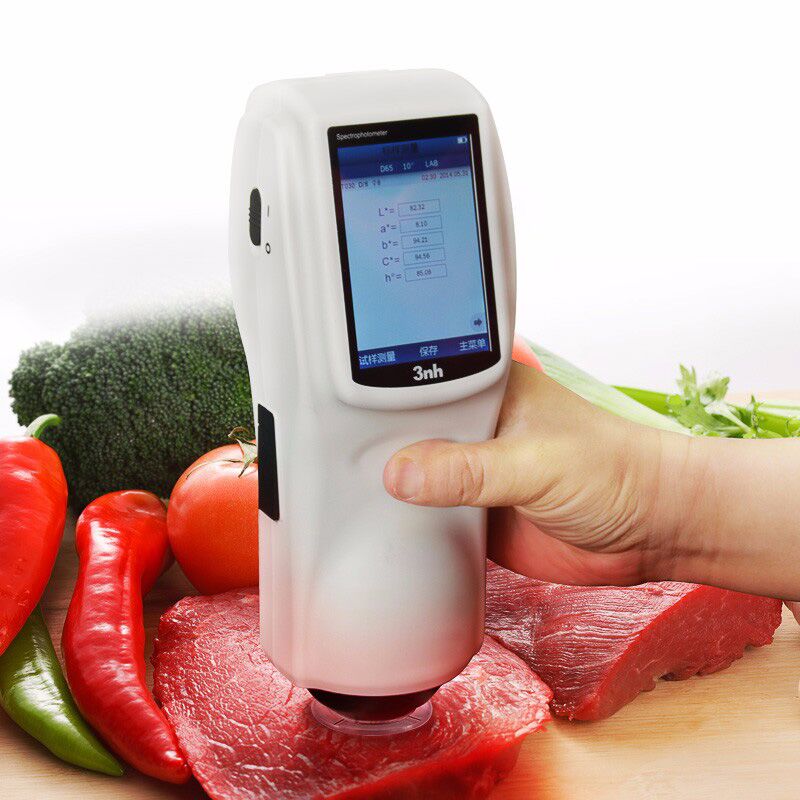
There is a need to be precise in measurement of color in food. Colorimeters for foods is a scientific equipment that analyzes the correct color of an object by measuring the way it absorbs and reflects light. This is essential in manufacturing of foods so as to maintain high quality and satisfy consumers. Colorimeters can detect various components in food by measuring the color changes in food, thereby effectively ensuring food quality and safety.
Applications of Colorimeters
Dairy Products Color Measurement
3nh’s dairy products color measurement solutions deliver precise, quantifiable color analysis for all dairy categories—from fresh milk, cream, and yogurt to cheese, butter, and frozen dairy treats—ensuring consistency, safety, and brand integrity across production batches.
Leveraging portable colorimeters and benchtop spectrophotometers calibrated for dairy’s unique creamy, opaque, or translucent textures, 3nh tools track critical color metrics (CIE Lab*, Hunter Lab) to flag deviations linked to freshness (e.g., milk discoloration from oxidation), fermentation progress (e.g., yogurt’s characteristic off-white hue), or fat content (e.g., cream’s golden tone). They eliminate subjective visual checks, support compliance with food safety regulations, and lock in brand-specific color standards—whether verifying uniform yellowness in butter, consistent pale cream in cheese spreads, or natural hues in low-sugar, clean-label dairy products. Ideal for on-floor production checks and lab-grade quality control, 3nh’s solutions reduce waste from off-color batches and keep dairy products aligned with consumer expectations for fresh, high-quality appearance.
Objective color control for breads, pastries, and baked snacks
3nh’s baked goods color measurement solutions provide fast, precise color analysis for a full range of baked items—from bread, pastries, and cookies to cakes, muffins, and crusty artisan loaves—securing consistency, quality, and brand uniformity across production runs. Whether for in-line production checks or lab quality audits, 3nh’s solutions ensure baked goods meet consumer expectations for appetizing, consistent appearance while supporting compliance with food safety guidelines.
Condiments Objective Color Measurement
Precision color analysis for condiments across global food markets,3nh’s condiments color measurement solutions offer accurate, quantifiable color analysis for all condiment types—from tomato ketchup, soy sauce, and mustard to salad dressings, jams, and hot sauces—ensuring batch-to-batch consistency, regulatory compliance, and alignment with brand visual standards.Suitable for both in-factory production line checks and lab-grade quality audits, 3nh’s solutions minimize waste and keep condiments looking appetizing and consistent, reinforcing brand reliability in competitive retail spaces.
Edible Oils Color Measurement
Objective color measurement for edible oils from processing to packaging.3nh’s edible oils color measurement solutions deliver precise, industry-aligned color analysis for all types of edible oils—including vegetable oil, olive oil, sunflower oil, and coconut oil—securing product quality, safety, and brand consistency across production and storage cycles. 3nh benchtop spectrophotometers and portable colorimeters replace subjective visual assessments, help manufacturers comply with food safety regulations and grading standards, and prevent off-spec batches from reaching shelves. Ideal for both lab quality control and on-site production checks, 3nh’s solutions minimize waste, preserve oil freshness, and ensure edible oil products meet consumer and industry expectations for purity and visual uniformity.
Pet Foods Color Measurement and Management
3nh’s pet foods color measurement solutions provide accurate, quantifiable color analysis for all pet food formats—from dry kibble, wet canned meals, and semi-moist treats to raw pet food blends—ensuring batch-to-batch consistency, ingredient quality verification, and alignment with brand and regulatory standards. Suitable for in-line production monitoring and lab-grade audits, 3nh’s solutions reduce waste from off-color batches and ensure pet food products maintain the appetizing, consistent appearance that builds trust with pet parents and retailers alike.
Protein Products Precision Color Measurement
3nh’s protein products color measurement solutions deliver precise, data-driven color analysis for a full spectrum of protein-based items—including whey protein powders, plant-based protein bars, meat alternatives, collagen supplements, and ready-to-eat protein meals—securing batch consistency, ingredient quality, and brand reliability.
Meat Color Measurement
3nh’s meat color measurement solutions offer precise, non-destructive color analysis for all raw and processed meat products—including fresh beef, poultry, pork, cured sausages, and deli meats—securing product freshness, safety, and brand consistency across supply chains.
Equipped with portable colorimeters and benchtop spectrophotometers calibrated for meat’s unique muscle and fat textures, 3nh tools capture key color metrics (CIE Lab*, Hunter Lab, and industry-specific meat color scales) to monitor critical quality indicators: the bright red hue of fresh beef (indicating myoglobin integrity and oxygenation), uniform pinkness in cured ham (signaling proper nitrite levels), and the absence of discoloration linked to spoilage or oxidation. They eliminate subjective visual assessments, help producers comply with food safety regulations, and uphold brand-specific color benchmarks that signal freshness to retailers and consumers. Suitable for on-site slaughterhouse checks, processing line quality control, and lab audits, 3nh’s solutions reduce waste from off-color batches and preserve the visual appeal and safety of meat products from production to shelf.
Threenh Make Food Color Measurement Easier
If you’re serious about accurate food color analysis, Threenh.com is the place to start. A leader in precision instruments. Be it a requirement to examine various shades of ketchup, test meat color, test cookie color or olive oil hue, Threenh.com can provide the equipment and expertise.
We offer:
● High-end colorimeters are designed specifically to do food work.
● Portable spectrophotometers that can be carried or attached to a production line.
● Professional assistance in the installation of color measurement equipment in a food company.
Best Practices for Meat Color Measurement
In order to achieve appropriate and consistent results, undertake the following measures to ensure precision and trust in reliability while performing meat color measurement:
Standardized Lighting: During visual or instrumental assessment tests, use lighting set to D65 daylight.
● Sample Uniformity: Ensure that the meat samples are uniform in thickness, moisture content, and texture prior to measurement.
● Regular Calibration: Prior to every session, instruments have to be proven to be set against certified white and black tiles as per the required standards.
● Multiple Measurements: Taking measurements across different areas of a sample, and averaging those values helps remove the impacts of extreme values.
● Record Keeping: Maintain quality tracking and comparison logs over time of the Lab* values.
● Employee Education: Make sure that staff know how to use and interpret the results of the measurement instruments. This differentiating bad meat color in acceptable and unacceptable ranges ensures correct meat classification.