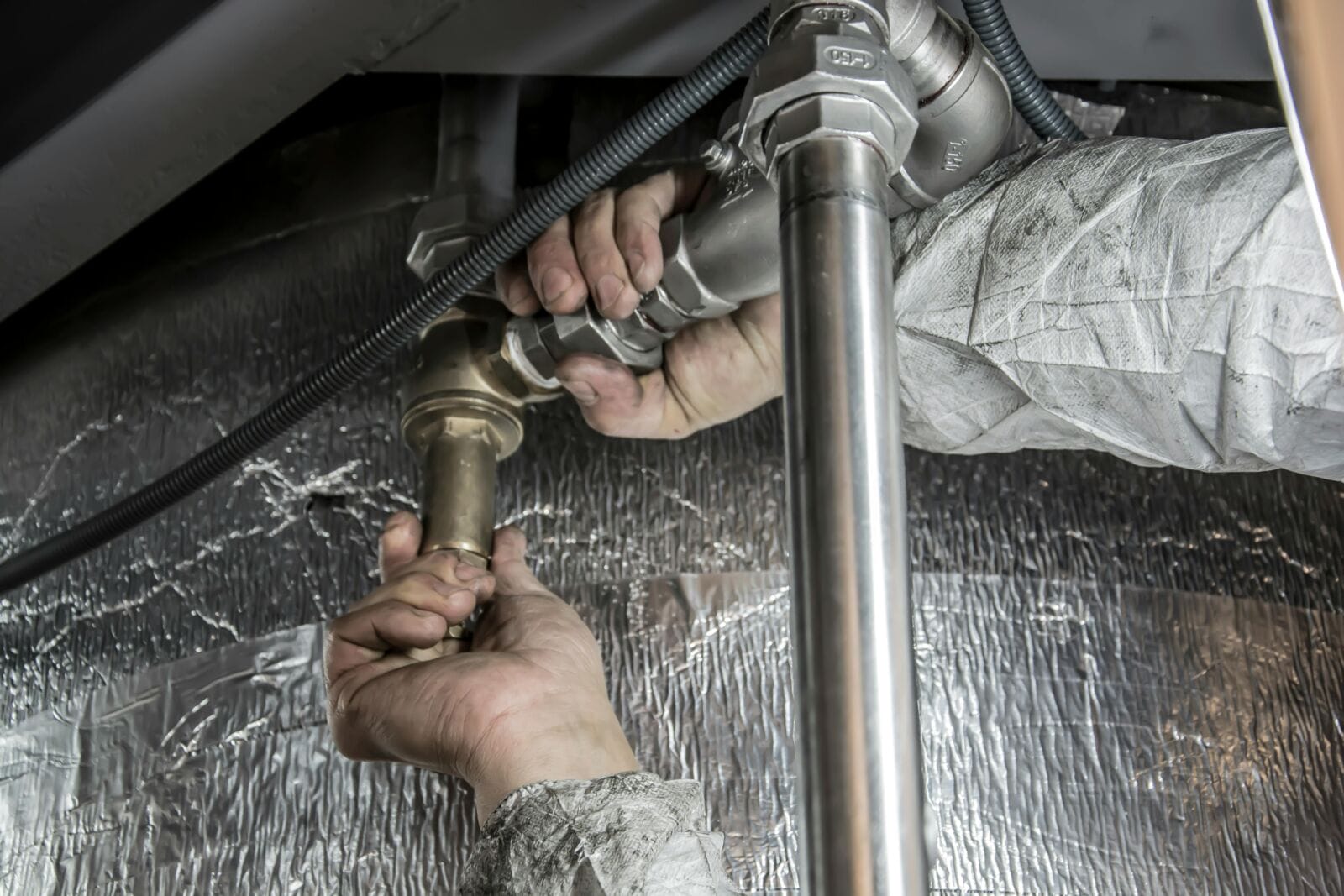
In property development and ownership, attention is often placed on visible features — design, finishes, layout, and location. However, some of the most critical systems influencing long-term performance operate behind walls and beneath floors.
Plumbing and drainage infrastructure is one of those systems. When planned well, it quietly supports building longevity, occupant comfort, and operational efficiency. When overlooked, it can become a recurring source of risk, cost, and disruption.
For developers, investors, and property managers, understanding the strategic role of plumbing and drainage can help protect asset value over time.
Plumbing as a Structural Support System
Plumbing is often thought of as a service trade rather than a core building system. In reality, water supply, waste removal, and stormwater management interact directly with structural components, foundations, and site conditions.
Poorly planned pipe runs, inadequate drainage fall, or undersized systems can contribute to:
- Moisture intrusion into building materials
- Soil movement or erosion near foundations
- Accelerated wear on fixtures and appliances
- Increased likelihood of internal water damage
Early coordination between design, construction, and plumbing professionals reduces these risks and supports long-term building performance.
READ MORE: Here’s why the Arizona economy is poised to accelerate
LOCAL NEWS: Want more stories like this? Get our free newsletter here
Drainage Design and Site Resilience
Drainage plays a particularly important role in protecting properties against weather-related stress. As many regions experience more intense rainfall events, drainage systems must handle both expected and extreme conditions.
Key drainage considerations include:
- Correct pipe sizing and gradients
- Clear separation between stormwater and sewer systems
- Integration with landscaping and surface water flow
- Long-term access for inspection and maintenance
When drainage is treated as part of overall site design rather than a last-stage installation, properties are better equipped to handle environmental pressures.
The Operational Cost of Inefficient Systems
From an operational standpoint, inefficient plumbing systems can quietly increase costs over time. Water pressure imbalances, ageing pipe materials, and poorly selected hot water systems all contribute to higher energy and maintenance expenses.
In residential and mixed-use developments, these inefficiencies often surface as:
- Frequent maintenance call-outs
- Tenant complaints or downtime
- Premature system replacements
Evaluating plumbing and drainage holistically — rather than as isolated components — allows property owners to make decisions that improve reliability and cost control across the life of the building.
Plumbing Considerations in Established Properties
Older properties present a unique set of challenges. Materials and standards that were common decades ago may no longer meet current performance expectations.
Common issues include:
- Corrosion in older pipe materials
- Reduced internal pipe diameters affecting flow
- Drainage systems not designed for modern usage volumes
- Hot water systems operating beyond their optimal lifespan
Addressing these issues proactively can prevent emergency failures and support smoother property management.
Professionals working across residential and commercial settings often assess plumbing and drainage as a unified system, as seen in approaches used for plumbing and drainage services across established urban environments.
Hot Water Systems as a Performance Indicator
Hot water systems are among the most heavily used plumbing assets in any building. Their selection and placement have a direct impact on energy efficiency, user experience, and maintenance frequency.
System suitability depends on factors such as:
- Occupancy levels
- Usage patterns
- Available energy sources
- Local water quality
Understanding how hot water systems integrate with the broader plumbing network helps ensure consistent performance and avoids mismatches between demand and capacity.
Long-Term Value Through Planning and Coordination
Whether in new construction or refurbishment projects, plumbing and drainage decisions made early tend to deliver the greatest long-term value. Coordination between trades reduces rework, improves installation quality, and ensures systems function as intended once a property is occupied.
From a strategic perspective, plumbing is not simply a technical necessity — it is a foundational element of asset protection, risk management, and operational efficiency.
Final Thoughts
Plumbing and drainage systems rarely attract attention when they are working well, yet they play a decisive role in property resilience and performance. By viewing these systems as integral components of building design and lifecycle planning, property stakeholders can reduce risk, control costs, and protect long-term value.