Sunlight defines Arizona architecture. The state’s signature brightness, warmth, and open skies inspire a design language rooted in clarity, space, and connection to nature. But that same light, so breathtaking at sunrise and sunset, can also challenge homeowners and architects alike. Managing solar heat, glare, and fading interior materials requires careful design thinking and technical precision. That’s why even in custom-built desert homes, a collaboration with an experienced window installation company often becomes an essential part of the process.
In the desert Southwest, windows are more than openings, they’re instruments that balance aesthetics with performance. When placed, shaded, and constructed correctly, they elevate comfort, energy efficiency, and long-term property value.
Understanding Arizona’s Light and Climate
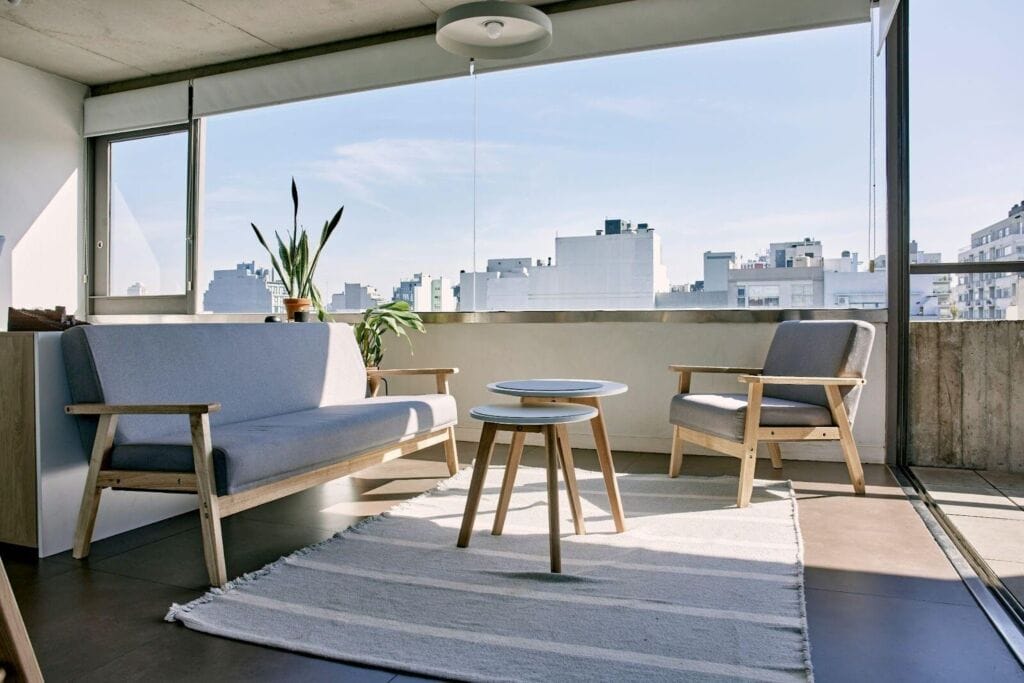
The desert is both harsh and exquisite. Arizona’s light is intense, its temperature swings extreme, and its air among the driest in the country. A window’s role in this environment is far more complex than simply framing a view. It determines how heat enters a home, how daylight is distributed, and how indoor comfort feels at different times of day.
Traditional architecture in the region relied on small, recessed openings and deep overhangs to minimize solar gain. Modern design, however, celebrates openness and transparency, walls of glass, panoramic views, and seamless indoor-outdoor transitions. This shift has made window performance critical. Without proper materials or shading, expansive glass can turn interiors into ovens by midday, forcing HVAC systems to work harder and inflating energy costs.
A thoughtful design begins with orientation. South-facing windows provide generous winter sunlight but require precise shading devices to block high summer sun. East- and west-facing windows, where morning and afternoon rays strike more directly, demand the most attention. Proper glazing, reflective coatings, and strategically placed landscaping can reduce solar heat gain without sacrificing daylight or views.
The Material Advantage: Glass Technology in the Desert
Glass technology has evolved dramatically in the last decade. Modern insulated glazing units are engineered to manage light and temperature simultaneously, reflecting unwanted infrared heat while allowing visible light to pass through. Low-emissivity (Low-E) coatings, gas-filled panes, and spectrally selective glass types are now standard in high-performance desert homes.
The U.S. Department of Energy notes that energy-efficient windows can reduce heating and cooling bills by up to 25 percent in climates with high temperature variation. In Arizona, where cooling loads dominate, the payoff can be even greater. While high-end glass carries a higher upfront cost, it translates to long-term savings, enhanced comfort, and higher resale value.
It’s also about aesthetics. Advanced glazing allows architects to maintain the sleek, transparent look that defines contemporary desert design while ensuring interior spaces remain cool and glare-free. The result is a more livable, sustainable home that complements its environment rather than fights it.
Integrating Shade and Architecture
Shade is the unsung hero of desert design. It moderates not only temperature but also mood and atmosphere. Architectural shading devices, overhangs, pergolas, fins, or screens, extend the usability of outdoor areas while protecting interiors from direct sunlight.
In luxury desert homes, shade becomes an art form. Slatted trellises cast dynamic patterns across stone patios, while horizontal canopies blur the line between interior and exterior living spaces. Landscape architects also play a role, using trees and desert vegetation to create natural shade that softens facades and improves microclimates around buildings.
The integration of shade elements isn’t a decorative afterthought, it’s a fundamental design decision that affects energy performance and occupant comfort. The best designs combine passive solutions (orientation and overhangs) with active technologies (smart blinds or electrochromic glass) to achieve balance across all seasons.
Design for Connection, Not Isolation

In many ways, Arizona’s architectural evolution mirrors its climate, resilient, adaptive, and expressive. The desert encourages a dialogue between shelter and exposure. Today’s architects strive to create homes that invite natural light without compromising privacy or comfort. This requires more than technical expertise; it calls for sensitivity to experience.
Windows, when thoughtfully positioned, become portals that connect occupants to the landscape, framing mountains, cacti, and the endless desert horizon. Yet those same windows must shield against UV exposure, maintain insulation, and protect interior materials from fading. Success lies in proportion, not size. A large glass wall can feel oppressive if not balanced by solid elements that provide rhythm and relief.
This interplay of transparency and solidity creates visual harmony while enhancing a home’s emotional appeal, an important factor for long-term value. A well-designed space that feels naturally lit and thermally comfortable resonates with buyers seeking both sustainability and serenity.
The Value Equation
Design choices have a direct financial impact. Homes that perform efficiently in Arizona’s climate tend to retain their value better because they promise lower operational costs and superior comfort. Buyers are increasingly informed about energy efficiency, sustainability, and maintenance requirements. They know that well-engineered window systems aren’t luxuries, they’re long-term investments.
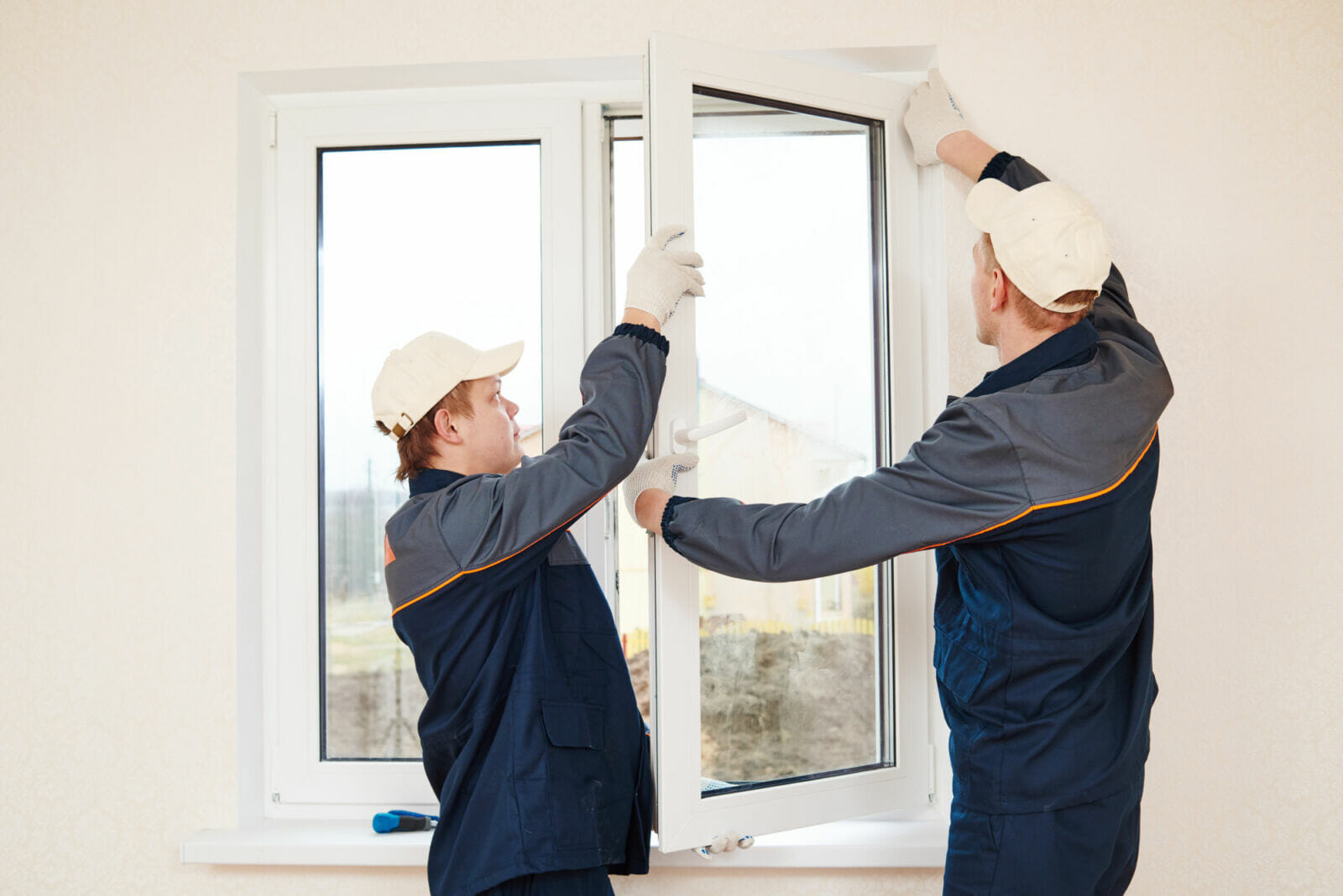
For homeowners looking to upgrade, retrofitting old windows with modern, energy-efficient replacements can be one of the most cost-effective improvements available. While the initial expense might feel steep, the returns in comfort, resale potential, and monthly energy savings make it worthwhile. Beyond numbers, energy-efficient homes simply feel better, quieter, brighter, and more inviting.
Looking Ahead: Designing for Tomorrow’s Climate
Arizona’s growth isn’t slowing, but its climate is changing. Rising temperatures, longer summers, and water scarcity are shaping how architects, developers, and homeowners approach design. The homes that will stand the test of time are those that adapt, not just through technology but through timeless principles of orientation, material honesty, and environmental respect.
Windows will remain central to that story. They shape how we see the desert and how the desert sees us. When chosen thoughtfully and installed with precision, they transform homes from sealed boxes into breathing, luminous spaces that reflect the spirit of the Southwest, efficient, enduring, and full of light.