Yellow spots on leaves don’t seem that problematic at first. Homeowners may even ignore the sign. They think it might just be a minor nutritional deficiency that can be fixed easily. While it can be the case, for a lot of Collin County homes, it can also mean spider mite trouble.
Texas residents are no strangers to this notorious pest. To protect your lawn against them, you will first need to learn to identify the signs. Then, you should get professional spider mite treatment quickly.
What Do Yellow Spots on Plant Leaves Usually Mean?
Yellow spots on leaves generally suggest health issues. The plant is struggling internally or externally. They can be caused by pest mites or an illness.
Usually, the pattern matters more than the color itself. Fine, even speckling across the leaf surface in isolated areas usually points to pests damaging these specific locations. Watering problems tend to affect entire leaves.
Learning about the patterns can reveal a lot about your plant’s current condition.
Do Spider Mites Cause Yellow Spots on Leaves?
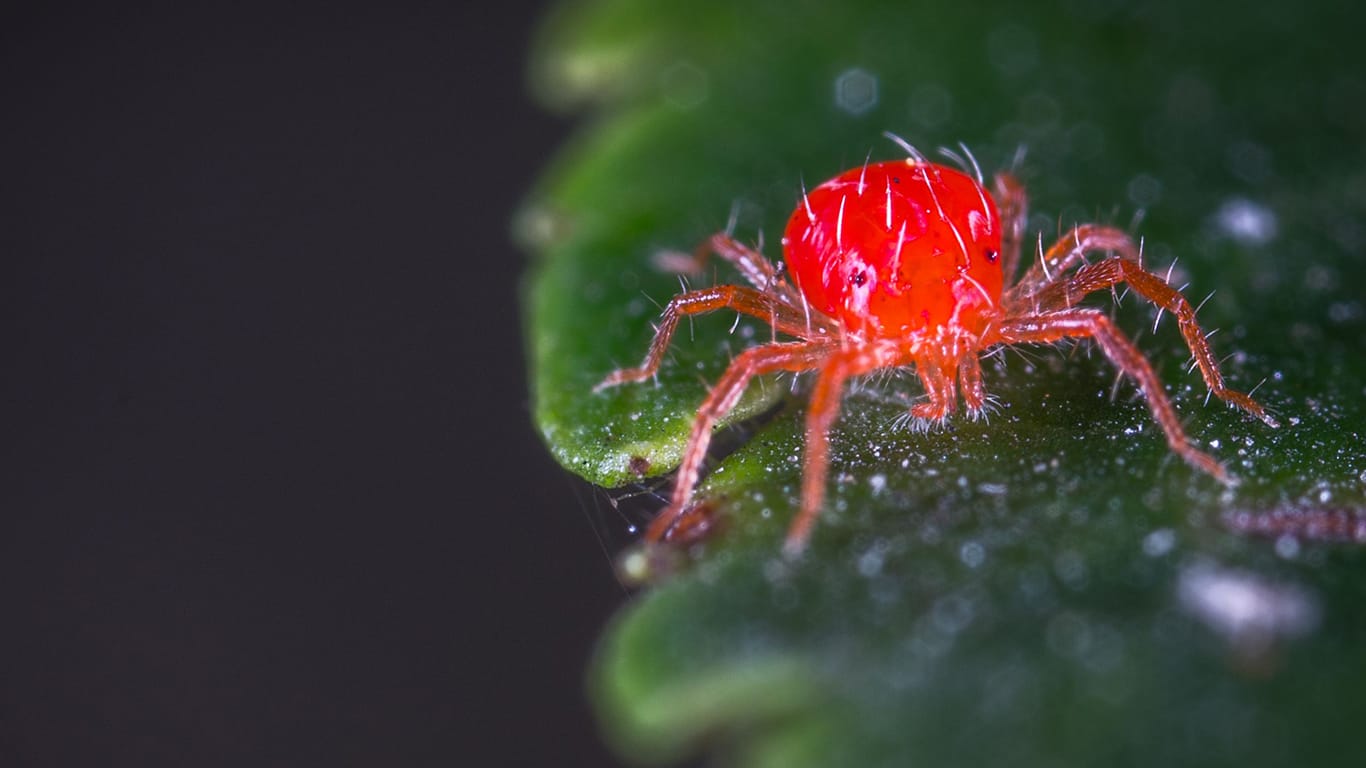
Yes. Spider mite damage can cause yellowness on leaves. This is because they pierce plant cells to drink the sap. The tiny holes will turn yellow due to the loss of chlorophyll. You will notice tiny pale yellow spots on the leaf surface.
What Other Problems Can Cause Yellow Spots on Leaves?
As mentioned, a lot of things can cause yellow spots. You don’t have to worry about a spider mite infestation straightaway. Other common problems include:
- Sunburn, which is more likely during summer with prolonged sun exposure
- Having too much or too little water from an improper watering schedule/rainstorn/drought
- Nutritional deficiency. The plant may not be getting enough iron, magnesium, or nitrogen
- Fungus or bacterial infection
Some of these causes may not be obvious for homeowners. It takes a thorough examination to determine the actual cause.
How Can You Tell Spider Mite Damage From Other Causes?
Although there are many reasons for yellow leaves, there are distinct signs when it is a spider mite infestation.
- Fine, even stippling across the leaf rather than large blotches
- A dusty or dry texture to the leaf surface
- Fine webbing on the undersides of leaves or between stems
- Tiny moving specks visible when you tap a leaf over a sheet of white paper
The symptoms may worsen quickly during a drought, which is rather common in North Dallas, TX. Homeowners may find the problem quickly spreading to other trees and plants.
How Should You Inspect a Plant for Spider Mites?
It is rather simple to inspect for spider mite infestations. You can easily do it without professional help. The following signs are mostly associated with spider mites, rather than other health concerns:
- Fine silk webbing on the underside of leaves
- Tiny white moving dots on the surface
- Speckled yellow dots on some leaves (they may spread if the infestation worsens)
Spider mites are tiny. They can be difficult to spot. Therefore, a magnifier can help with the inspection. Alternatively, you can hold a piece of paper underneath a leaf. Shake the leaf to see droppings on the paper. If the dots start moving, it is a strong indicator of live mites.
What Should You Do If Spider Mites Are Confirmed?
Although a spider mite infestation is stressful to deal with, it is totally manageable if you take quick action:
- Call a licensed professional
Reputable lawn care experts like CitiTurf frequently deal with spider mite problems. They can develop solutions that specifically cater to your property. It is the best way to ensure a complete eradication of the problem. - Remove damaged leaves
All the infected branches and leaves should be removed. Spider mites are too tiny to be cleaned out without removing the leaves. Cutting the sick branches also offers the tree a better chance to recover.
How Can You Prevent Spider Mite Infestations?
A few habits go a long way in keeping populations from taking hold of your property:
- Keep plants consistently watered to reduce the drought stress that spider mites are drawn to
- Dispose of dead branches and grass so healthy branches can breathe better
- Get a professional to apply pre-emergent pest control solutions
- Take prompt action to treat the area as soon as pests appear
Pest prevention requires long-term effort. Seasonal pest control can be effective in guarding your home. The techniques will create a barrier to prevent pests from entering your property.
In conclusion
Spider mite damage can lead to serious lawn health problems. You should learn to identify the signs and stop the infestation promptly. Always contact a local provider for prompt treatments to solve the problem.