
Waking up with stiff joints or a dull ache in your lower back ruins the start of your morning. Quality sleep requires proper spinal positioning throughout 7 to 8 hours of rest.
Ergonomic mattresses target pressure points to keep body weight balanced across the bed. Selecting the correct sleeping surface makes a noticeable difference in daily mobility.
Aligning the Spine During Sleep
Poor alignment during rest puts unnecessary strain on delicate spinal structures. Traditional beds often allow hips to sink too deeply, creating unnatural curvature. Body alignment stays neutral when mattress materials adapt to natural curves.
Sleepers dealing with chronic spinal conditions need tailored pressure distribution to minimize stiffness. Finding an informative ankylosing spondylitis mattress guide provides helpful strategies for picking specialized bed surfaces. Taking time to review design features promotes long-term comfort.
Consistent back support reduces late-night tossing and turning significantly. Morning stiffness subsides when joints remain cushioned in neutral positions. Proper structural support keeps the spine in healthy alignment all night.
Reducing Pressure Points
Heavy contact zones like shoulders and hips absorb significant weight while lying flat. Standard beds press against these areas, restricting blood flow and causing numbness. Custom foam contouring spreads body mass across wider surface areas.
Insights from a sleep safety institute noted that a sleep surface lacking proper support leads directly to back pain. Targeted cushioning stops localized aches before they begin. Deep recovery occurs when muscles relax without battling surface resistance.
Modern pressure-relieving layers adapt immediately when sleeping positions shift. Relieving tension allows deeper sleep cycles without frequent physical interruptions.
Choosing the Ideal Firmness Level
Mattress firmness plays a major role in keeping hips elevated and the spine flat. Extremely soft beds cause sag, while extra hard surfaces create painful hip pressure. Finding a balanced midpoint solves both concerns effectively.
A review highlighted by a senior advocacy organization found that a medium-firm mattress is best for bringing relief from lower back pain. That ideal balance stops sinking while softening sharp body angles. Sleepers experience steady support without feeling like they rest on concrete.
Weight distribution varies between side, back, and stomach sleeping positions. Testing medium-firm surfaces gives a solid baseline for most body types. Adjusting firmness preference improves overall rest quality quickly.
Supporting Specialized Orthopedic Needs
Chronic joint conditions demand materials engineered to cushion inflamed tissue. Standard spring mattresses often push back hard against sensitive joint areas. Specialized orthopedic layers distribute body weight evenly to prevent pain triggers.
Research conducted by a national council on aging identified specific bed designs that offer orthopedic pain relief while maintaining ideal spinal alignment. Engineered materials lift heavy hips while softening impact on sore joints. Proper ergonomics make nighttime recovery far more achievable.
Individuals recovering from joint fatigue benefit from consistent body weight distribution. Reduced joint stress leads to longer periods of uninterrupted rest. Orthopedic designs support healthy posture throughout the night.
Managing Temperature and Airflow
Overheating disrupts deep sleep cycles and causes frequent waking. Advanced ergonomic materials integrate cooling channels to disperse body heat quickly.
Key cooling features help regulate surface temperature through the night:
- Open-cell foam construction that allows continuous airflow
- Gel-infused comfort layers designed to pull heat away from skin
- Breathable fabric covers that absorb moisture efficiently
Maintaining a cool sleeping surface keeps heart rates stable during deep rest. Air circulation prevents thermal buildup under thick blankets. Temperature balance maintains deeper sleep without midnight waking.
Minimizing Motion Transfer
Partner movement often wakes light sleepers throughout the night. Traditional connected coils transfer vibrations across the whole surface instantly. Ergonomic foam and isolated coils absorb movement at the point of contact.
Isolated pocket coils react independently to localized weight shifts. One person can shift positions without bouncing their partner awake. Quiet absorption creates a peaceful environment for shared sleeping spaces.
Restful slumber remains steady even with restless partners nearby. Motion isolation improves nightly sleep efficiency for couples considerably.
Promoting Long-Term Musculoskeletal Health
Investing in proper sleep ergonomics protects long-term joint integrity. Nightly recovery periods allow tired spinal discs to rehydrate and repair. Proper alignment stops posture issues from forming over 10 to 15 years.
Morning energy levels depend heavily on undisturbed physical rest. Muscle tension fades away when the spine rests in a natural shape. Long-term health improves when bodily systems recharge without physical strain.
Choosing quality ergonomic construction supports active daytime lifestyles. Consistently good sleep boosts daily energy and physical performance. Taking action on sleep hygiene yields compounding benefits for overall wellness.
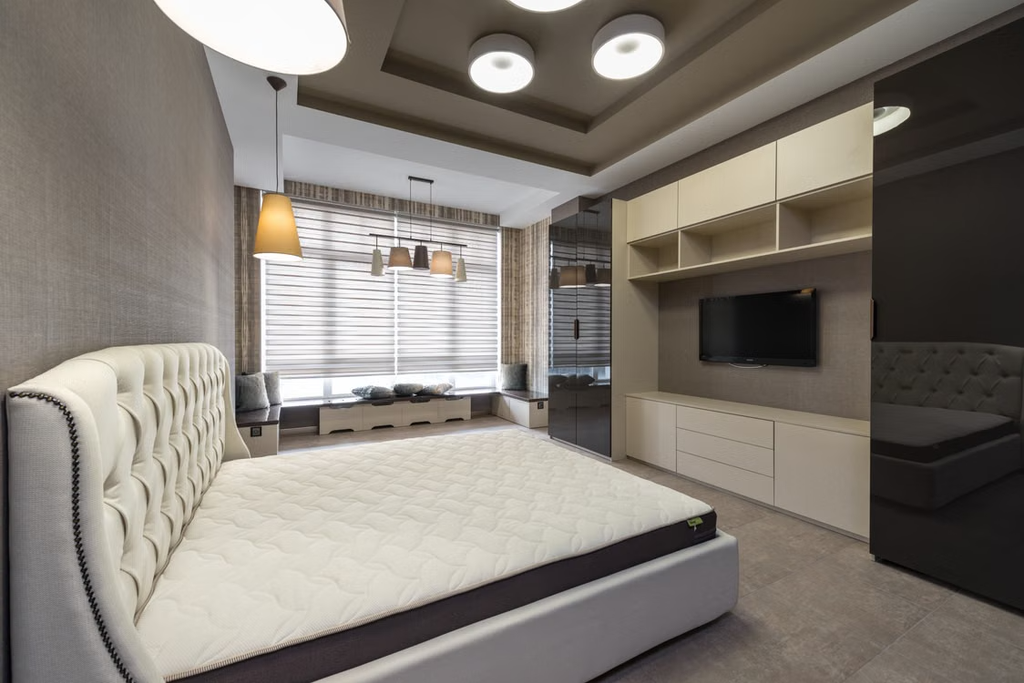
Upgrading to an ergonomic bed transforms nightly rest from a struggle into genuine physical recovery. Proper spinal support and pressure relief keep morning aches away while boosting daily energy levels.
Prioritizing supportive sleep surfaces pays off through improved mobility and comfort. Choosing a design fitted to personal physical needs sets up years of restful nights.