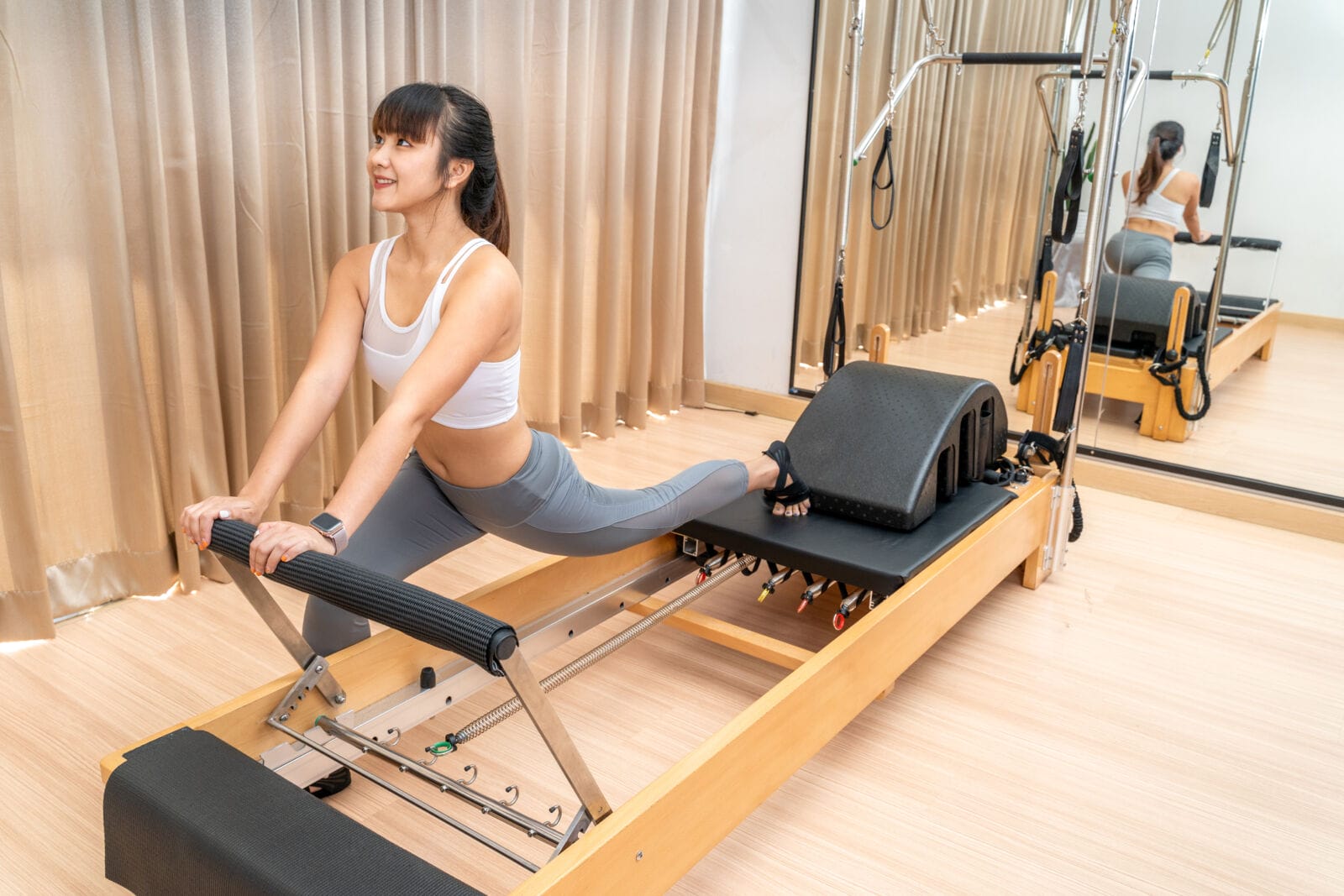
Strength and flexibility often feel like two separate goals, yet they work best when developed together. If you only focus on lifting heavier and heavier weights, you may end up strong but stiff. On the other hand, stretching without building strength can leave your body mobile but unstable. The real solution lies in finding a balance that supports both qualities. That way, you can move with more control, protect your joints, and enjoy a body that feels capable in everyday life.
A practical way to start is to rethink how you define resistance. It doesn’t have to come from iron plates or crowded gym racks. Workout tools like pilates beds can help you target multiple muscle groups while keeping your joints safe. Even better, combining equipment with intentional daily habits makes it easier to stay consistent and see lasting changes.
LOCAL NEWS: 10 things you may not know are manufactured in Arizona
INDUSTRY INSIGHTS: Want more news like this? Get our free newsletter here
Why Strength and Flexibility Work Best Together
Muscles and joints don’t exist in isolation. When you increase strength without flexibility, you’re essentially tightening the body’s natural range of motion. Think of someone who can squat heavy but can’t bend comfortably to tie their shoes. On the other side of the spectrum, focusing on only flexibility might allow you to touch your toes or do the splits, but without stability, injuries become more likely.
Pairing the two gives you resilience. Strong, flexible muscles can absorb force during sudden movements, keep you upright when you stumble, and prevent everyday aches. You’re not just training for the gym; you’re training for life’s unpredictable demands.
The Problem With Relying Only on Heavy Weights
Lifting weights is an effective way to build strength, but using it as your only method comes with drawbacks. Heavy loads can compress joints, shorten muscle tissue, and create imbalances if you’re not balancing pushing and pulling. Over time, this may lead to stiff shoulders, tight hips, or sore knees that make it harder to stay active.
Another issue is sustainability. Not everyone has access to a gym or wants to commit to long lifting sessions. As you age, your body may not respond well to constant heavy lifting. That doesn’t mean you should give up on strength—it means you need alternatives that protect your body while still challenging it.
How Resistance Can Come From More Than Dumbbells
Your muscles don’t recognise whether resistance comes from a barbell, resistance band, or reformer spring. What they respond to is tension. Using resistance in different forms can create new challenges while being gentler on your joints.
A resistance band, for example, increases difficulty the more you stretch it, training strength throughout the entire range of motion. Springs on a Pilates reformer provide adjustable resistance that feels smooth yet demanding. Even your own body weight, when leveraged correctly, delivers enough challenge to build lean strength.
Changing your mindset from “I need heavier weights” to “I need smarter resistance” opens the door to training that is both effective and sustainable.
Building Functional Strength With Controlled Movements
Functional strength isn’t about how much you can lift once—it’s about moving well in everyday situations. Controlled movements are the best way to achieve this. When you move slowly and with intention, you engage stabilising muscles that often get ignored in traditional weightlifting.
For example, a slow lunge with an added pause at the bottom builds strength in your legs and hips while improving balance. Planks and side planks work your core and shoulders while teaching your body to stay stable under pressure. Controlled exercises mimic real-life demands, such as carrying groceries, climbing stairs, or bending to pick something up.
Improving Flexibility Through Consistent Daily Habits
Flexibility doesn’t come from one long stretching session—it comes from consistent, short practices woven into daily life. Even five minutes of movement before bed can make a difference. Dynamic stretches like arm circles, leg swings, or spinal twists keep your body primed for activity.
Adding small habits, like standing up from your desk to stretch your hips or reaching overhead to open your chest, prevents stiffness from setting in. Think of flexibility training as maintenance. Just as you brush your teeth daily to protect them, you stretch to keep your muscles and joints healthy over the long term.
The Role of Pilates in Balancing Power and Mobility
Pilates combines strength, control, and flexibility into one seamless practice. Every movement requires you to stabilise your core, lengthen your muscles, and coordinate breathing. This makes it ideal for people who want to feel strong without feeling restricted. Practicing Pilates on a reformer, often called a Pilates bed, allows you to tailor resistance while maintaining joint-friendly movement. It’s not just about stretching—it’s about creating strong, elongated muscles that move smoothly through different ranges of motion. Unlike traditional lifting, Pilates strengthens the body evenly, reducing imbalances that often lead to pain.
Small Adjustments That Make Bodyweight Training Effective
You don’t need a full gym setup to make progress. Small tweaks to bodyweight training can dramatically increase effectiveness. Adjusting the tempo of an exercise—slowing down a push-up, for instance—keeps muscles under tension for longer, which builds strength. Changing your body angle also makes a difference. An incline push-up on a bench is easier than one on the floor, while elevating your feet makes it harder. Holding positions, such as pausing halfway through a squat, builds endurance and control. These simple adjustments turn familiar exercises into powerful tools for strength and mobility.
Why Joint-Friendly Workouts Matter for Long-Term Health
Your joints are the foundation of every movement, and protecting them ensures you can stay active for decades. Joint-friendly workouts reduce impact while still building muscle. This is why swimming, cycling, and Pilates are often recommended across all ages—they strengthen without grinding down cartilage. Ignoring joint health may not show immediate consequences, but over years, it leads to pain, stiffness, and limited mobility. Choosing exercises that allow you to move smoothly ensures you don’t just build fitness for now but preserve it for later life.
How Stability and Balance Training Replace Traditional Lifting
Balance training doesn’t always look as impressive as hoisting a heavy barbell, but it carries long-term rewards. Exercises like single-leg deadlifts, step-ups, or standing on an unstable surface require your muscles to coordinate, stabilize, and react quickly. This develops deep core strength and joint stability. For athletes, balance training improves performance. For everyday life, it means fewer falls, smoother movements, and more confidence in your body. Replacing some traditional lifting sessions with stability work ensures your strength is functional, flexible, and built to last.