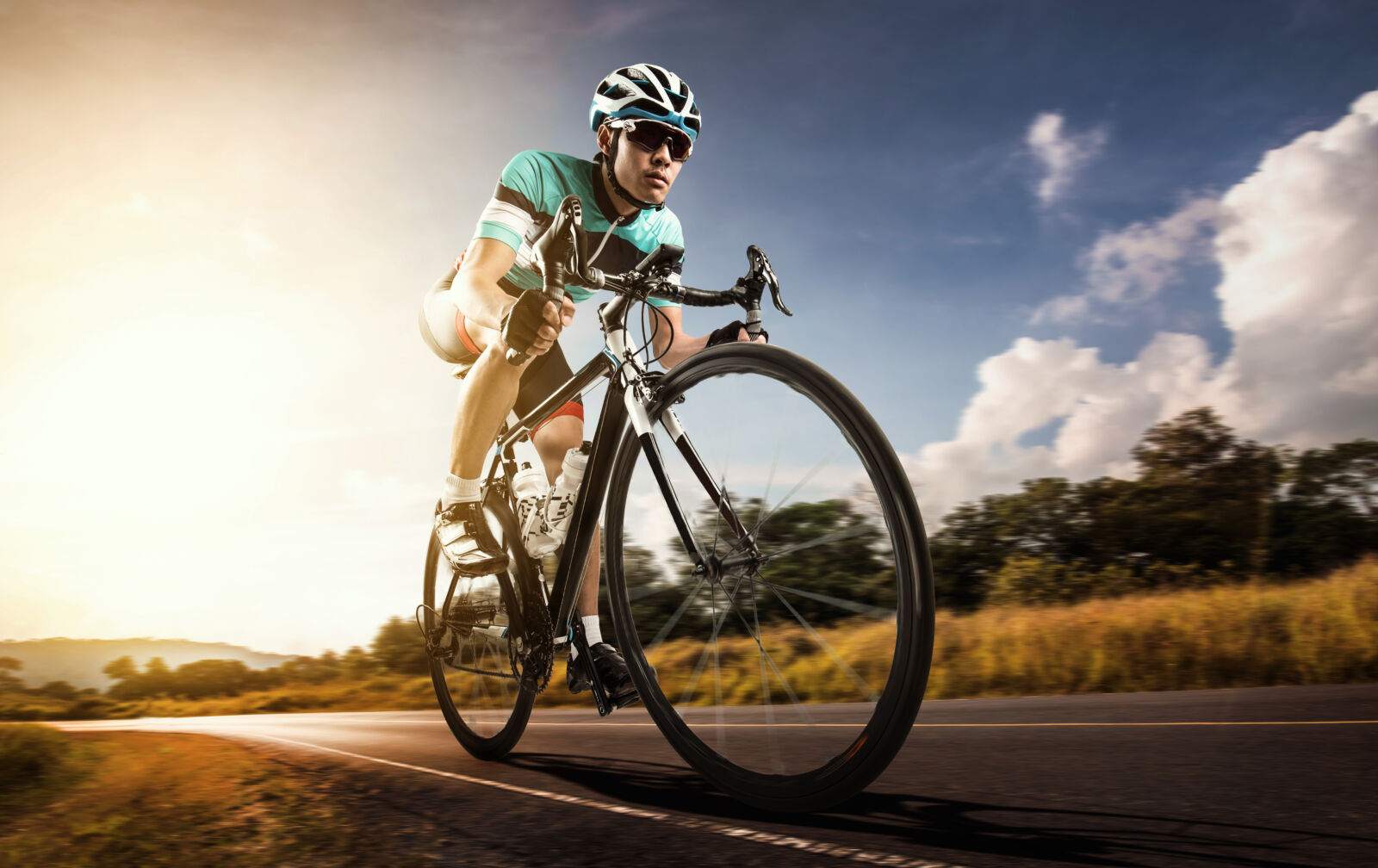
Choosing the right cycling clothing can make the difference between an enjoyable ride and one you can’t wait to escape from. Australia’s climate is famously diverse, with some regions experiencing scorching summers, others facing chilly mornings, and many riders encountering four seasons in a single day.
Dressing correctly isn’t just about comfort, it also affects performance, safety, and long-term riding enjoyment. Here’s a practical guide to selecting the right cycling clothing and apparel for any weather conditions you might face.
Why the Right Cycling Clothing Matters
Cycling clothing is designed with purpose. While everyday activewear might feel fine for a short spin, purpose-built gear improves aerodynamics, reduces chafing, manages moisture, and regulates temperature. Good kit also keeps you visible on the road and protects you from harsh elements such as wind, UV exposure, and unexpected downpours. Understanding these benefits helps you choose pieces that work harder for you, no matter the weather.
Riding in Hot Weather
Much of Australia experiences long, warm seasons, so breathable, lightweight clothing is essential.
Key features to look for:
- Moisture-wicking fabrics: Materials that pull sweat away from the skin prevent overheating and minimise irritation.
- Mesh ventilation: Jerseys with mesh panels under the arms or along the back allow airflow where you need it most.
- Light colours: Choosing pale or reflective colours helps reduce heat absorption.
- UV protection: Australia’s sun can be unforgiving, so look for fabrics with built-in UV resistance.
Pair your summer jersey with well-fitted bib shorts made from compressive, breathable material. Don’t forget sun protection—sun sleeves, lightweight gloves, and sunscreen are essentials even on short rides.
Cycling Comfortably in Cold Conditions
Cold mornings and winter winds can sap your energy quickly if you’re not properly dressed. Unlike bulky casual jackets, technical cycling layers keep you warm without restricting movement.
Consider these items:
- Thermal base layers: These trap heat while wicking moisture, preventing that damp chill.
- Insulated jerseys or jackets: Look for wind-resistant fronts and breathable backs to balance warmth and ventilation.
- Leg and arm warmers: Ideal for variable conditions, they can be removed mid-ride and stowed easily.
- Full-finger gloves and thermal socks: These protect extremities where heat loss is greatest.
Layering is key. Start warm but not hot, you should feel slightly cool when rolling out, knowing you’ll warm up quickly once you start pedalling.
What to Wear in Wet or Windy Weather
Australian weather can change rapidly, and being caught in the rain without preparation can turn a great ride into a miserable one.
For wet or windy conditions, prioritise:
- Lightweight waterproof jackets or gilets: A packable shell helps shield you from rain and strong gusts while preventing overheating.
- Water-resistant bib shorts or overshoes: These minimise water penetration and keep your muscles warm.
- High-visibility elements: Reflective trims increase visibility during storms or low-light conditions.
Even a small amount of windproofing can make a massive difference in comfort, especially on exposed roads or coastal routes.
Transitional Weather: The ‘In-Between’ Seasons
Autumn and spring often deliver unpredictable temperatures, making versatility essential.
Best choices include:
- Layerable jerseys: Lightweight long-sleeve jerseys are perfect when the air is cool but not cold.
- Convertible jackets: Some offer removable sleeves, giving you flexibility mid-ride.
- Breathable base layers: These help stabilise body temperature when conditions fluctuate.
The aim is adaptability, mix and match layers based on the day’s forecast and be prepared to adjust as you ride.
Fit, Comfort, and Personal Preference
Weather aside, the fit of your cycling clothing plays a massive role. A proper fit improves aerodynamics, reduces friction, and ensures your gear performs as intended. Look for clothing that sits close to the body without restricting movement. Comfort is just as important—your kit should enhance, not distract from, your ride.
Final Thoughts
Cycling in Australia demands clothing that can handle anything from tropical heat to crisp winter mornings and sudden bursts of wind or rain. By choosing breathable fabrics for summer, insulating layers for winter, and versatile pieces for the seasons in between, you’ll be ready for any weather. Investing in the right cycling clothing means every ride—short or long, casual or competitive—remains comfortable, safe, and enjoyable.