As daylight hours fade, many Arizonans notice their mood dimming right along with the sky. What feels like ordinary “winter blues” can sometimes signal something deeper.
Seasonal affective disorder (SAD) is a recurring form of depression that returns each fall or winter, bringing fatigue, low motivation, and withdrawal when the season demands the most energy.
READ MORE: Here’s why the Arizona economy is poised to accelerate
LOCAL NEWS: Want more stories like this? Get our free newsletter here
A different light is helping patients fight back at American TMS Clinics in Scottsdale.
“Seasonal depression isn’t about bad weather so much as it is about disrupted brain rhythms,” said Dr. Houshang Aminian, MD, medical director at American TMS Clinics.
“We can see when a patient’s brainwaves have shifted into unhealthy patterns and help restore balance before those patterns become hardwired. That’s the beauty of TMS — it gives us a way to correct the signal rather than mask the symptoms.”
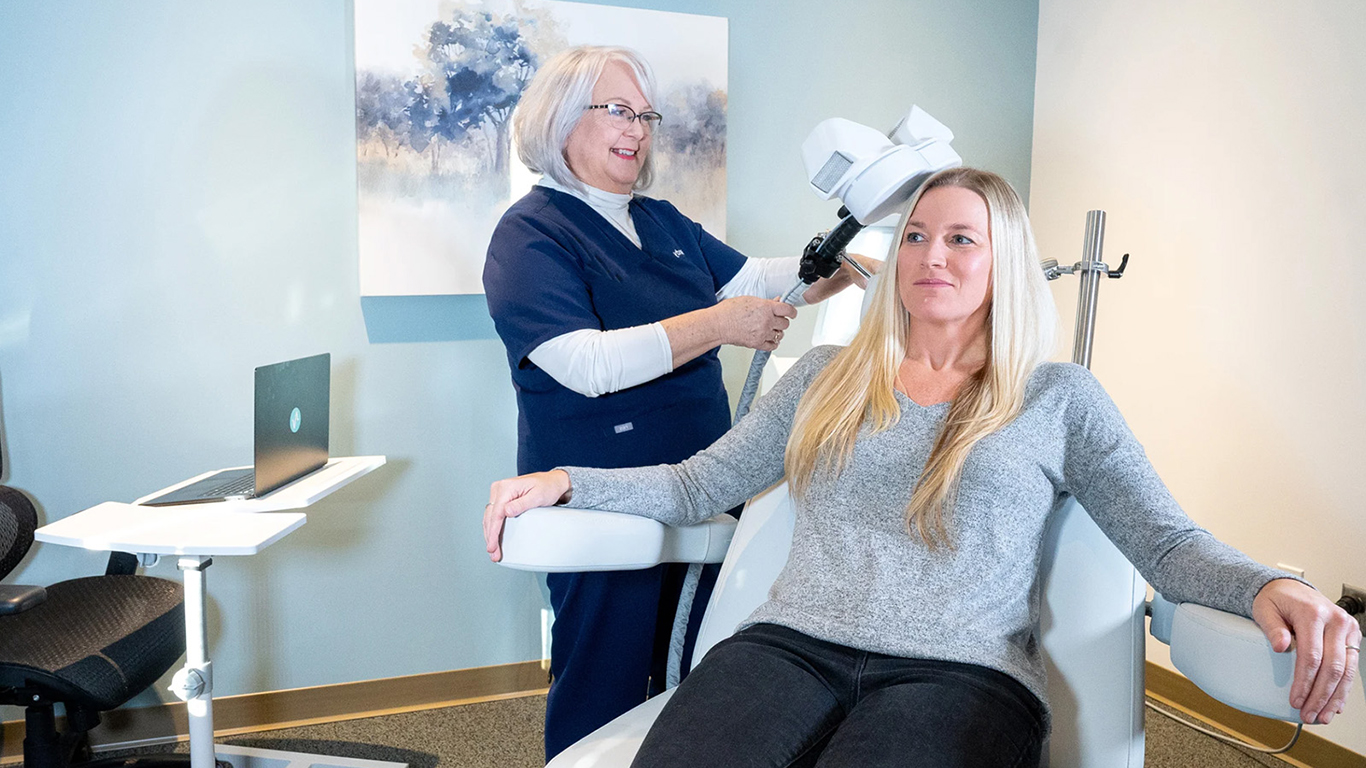
TMS, or transcranial magnetic stimulation, uses gentle magnetic pulses to stimulate underactive regions of the brain. The therapy has long been shown to be effective for major depressive disorder, and new research indicates it holds promise for people whose depression follows a seasonal pattern.
A study published in Psychiatry Research found that, among patients with a seasonal pattern of depression treated with repetitive TMS, about 55 percent showed a clinical response and roughly 32 percent achieved remission, suggesting that TMS may offer meaningful relief for those affected by seasonal affective disorder.
At American TMS Clinics, each treatment plan begins with a 20-channel EEG that creates a visual map of the brain’s activity.
During the next six to nine weeks, the clinic’s team delivers daily sessions that encourage the brain’s natural rhythm to reset.
“The first improvement we often see is better sleep,” said Juliane Popelka, chief executive officer.
“Once patients start sleeping soundly, their energy, mood, and motivation begin to come back. That’s when they rediscover what feeling normal really feels like.”
SAD isn’t just a mood dip — it’s a recurring medical condition that surfaces as daylight fades. Patients often describe feeling “stuck in slow motion,” unable to shake exhaustion, oversleeping, carb cravings and loss of motivation.
Even in sunny Arizona, isolation and expectation collide. The season that celebrates connection can feel lonelier than ever when energy fades and joy feel out of reach.
TMS helps re-synchronize the brain’s natural rhythm. By stimulating underactive regions that regulate mood and sleep, it restores balance to the body’s internal clock and helps patients wake up rested and energized.
A full course of treatment typically runs six to nine weeks, and many patients maintain results for months or longer without medication or downtime.
In near-daily sessions, patients see progress, supported by a care team that tracks every milestone and celebrates each return to balance.
Dr. Aminian explains that SAD’s root cause is biological, not simply emotional.
“We often see patients who feel ashamed or guilty for feeling depressed when it’s sunny outside,” he said. “But it’s not about the weather. It’s about how their brain is functioning. Once they understand that — and we can show them their improvement on an EEG — the sense of hope returns quickly.”
Popelka agreed that connection and consistency are just as important as technology.
“Every morning, patients are greeted by a team that knows their name, asks how they’re doing, and genuinely cares about their progress,” she said.
“It’s daily therapy with a human touch. By the time treatment ends, most patients are not only feeling better but also living better.”
American TMS Clinics is at 5020 E. Shea Boulevard, Suite 120, Scottsdale. Information: americantmsclinics.com.